Is It Illegal to Sleep in Your Car in Kansas? What the Law Actually Says

Kansas has no statewide ban on sleeping in your car. Here's where you can legally park overnight, the city ordinances to watch and the DUI trap to avoid.

Is It Illegal to Sleep in Your Car in Kansas? The Straight Answer

Kansas does not have a statewide statute that says "you may not sleep in a motor vehicle." If you are legally parked and not impaired, closing your eyes in the driver's seat is not, by itself, an offense.

When you ask "is it illegal to sleep in your car in Kansas?", these are the restrictions to check:

  • Trespassing. Parking on private property without permission is a problem whether you are awake or asleep.
  • Local ordinances. Individual Kansas cities can and do regulate overnight parking, camping in public spaces, and how long a vehicle can sit in one spot.
  • Posted restrictions. Rest areas, parks and lots often post time limits or "no overnight parking" signs. Signs carry weight.
  • Impaired driving law. Being behind the wheel after drinking can be treated very differently than you assume. More on that below.

Is It Illegal to Sleep in Your Car in Kansas at Rest Stops or Private Lots?

Interstate rest areas

Kansas maintains rest areas along its interstates specifically so drowsy drivers have somewhere to stop. Read the signage on the way in — some stops post a maximum stay, and the expectation everywhere is that you are resting, not camping. Keep the tent, the grill and the folding chairs packed.

Kansas Turnpike service areas

The Turnpike's service areas are built around travelers stopping: fuel, food, restrooms, lit parking. They can be an overnight option, subject to posted restrictions. Park in the car area rather than crowding the truck slots — drivers on federally mandated rest breaks genuinely need those spaces.

Private property, with permission

Truck stops, retail lots, casinos and campgrounds are all private land. You need the owner's permission as well as compliance with local rules. Some chains welcome overnight parking as a matter of policy, some ban it, and plenty leave it to the individual store manager. Going inside and asking can clarify whether overnight parking is allowed.

Where It Goes Wrong: City Ordinances and Private Lots

For a specific location, "is it illegal to sleep in your car in Kansas?" also requires checking municipal rules. A residential street with a posted overnight parking restriction, a downtown lot that closes, or an ordinance against camping in a public park can make an otherwise uneventful stop a violation.

The patterns to watch for:

  • Residential streets. A strange car occupied overnight in front of a house can prompt someone to call it in. Even where it is legal, it invites contact.
  • City parks. Check posted closing hours. Being there after closing is a separate issue from sleeping.
  • Business lots after hours. An empty strip-mall lot at midnight looks inviting, but parking without permission can create a trespassing problem.
  • Time-limited public spaces. Meter restrictions and posted stay limits do not pause because you were asleep.

If you plan to park in town rather than at a highway stop, check that city's website or call the non-emergency police line about applicable parking rules.

Kansas impaired-driving law reaches beyond a car that is actually moving. Prosecutors can build a case around operating or attempting to operate a vehicle, and facts like sitting in the driver's seat, keys in the ignition, engine running or a warm hood can all be used as evidence that you were doing exactly that. You do not have to be caught mid-drive to end up charged.

If you have been drinking and the car is your only option, stack the facts in your favor:

  • Get out of the driver's seat. Back seat, passenger seat, anywhere else.
  • Engine off, keys out of the ignition and out of reach — glovebox, trunk, your bag.
  • Park legally and stay put. Do not move the car "just around the corner."
  • Do not pull onto a shoulder or a highway ramp. That is both dangerous and an easy stop.

None of that is a guarantee, and nothing here is legal advice. A rideshare, a friend or a motel is a safer alternative to trying to sleep it off behind the wheel.

Is It Illegal to Sleep in Your Car in Kansas? Avoiding Unwanted Attention

  1. Arrive late, leave early. The fewer hours you occupy a spot, the fewer chances anyone notices.
  2. Back into the spot. Faster exit, and it reads as normal parking rather than a campsite.
  3. Stay dark and quiet. No dome light, no laptop glow, no music. Light through windows is what draws attention.
  4. Cover the glass. Sunshade up front, cheap blackout panels or a towel on the side windows. Privacy cuts both ways — it also keeps people from window-shopping your gear.
  5. Keep the car looking normal. Nothing hanging off mirrors, nothing stacked against windows, doors locked, everything valuable out of sight.
  6. Pick lit, busy, camera-covered lots. Truck stops and service areas beat an empty dark corner every time.

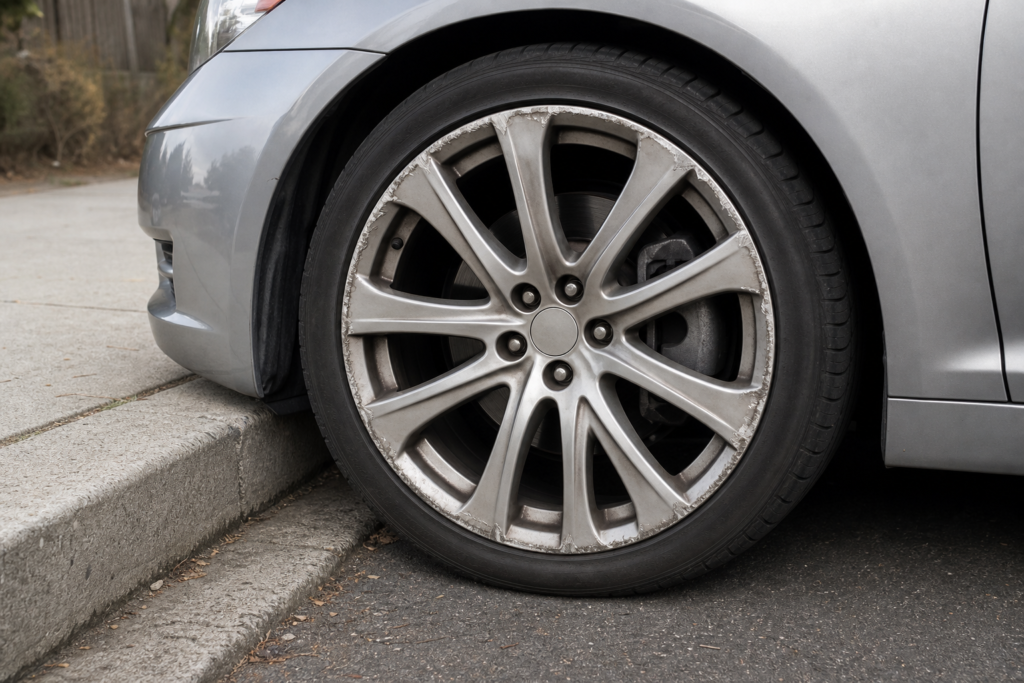
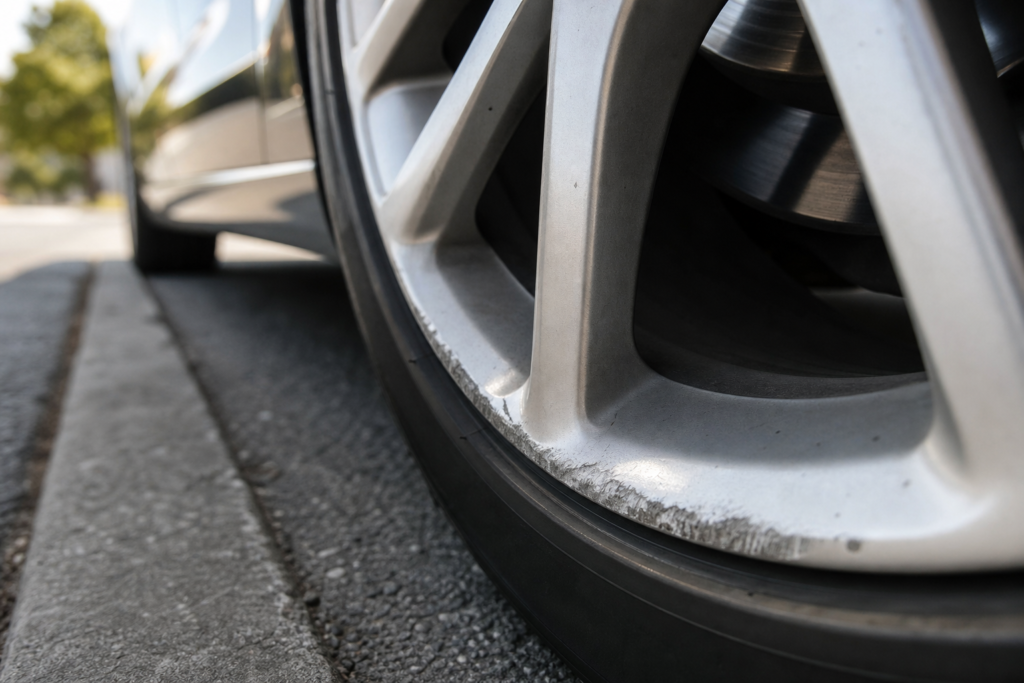
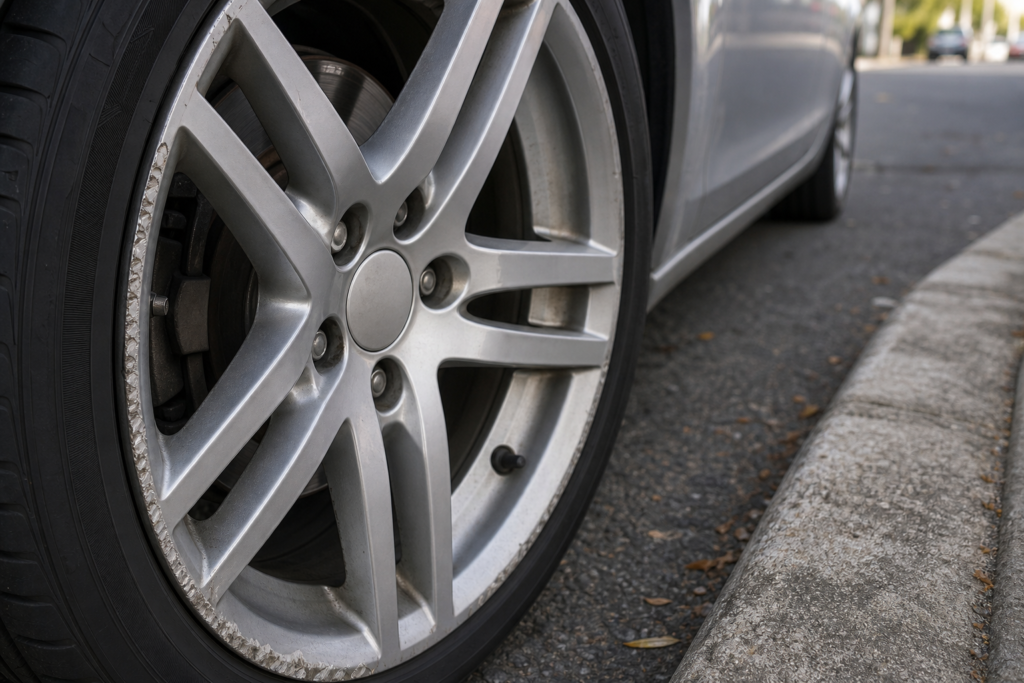
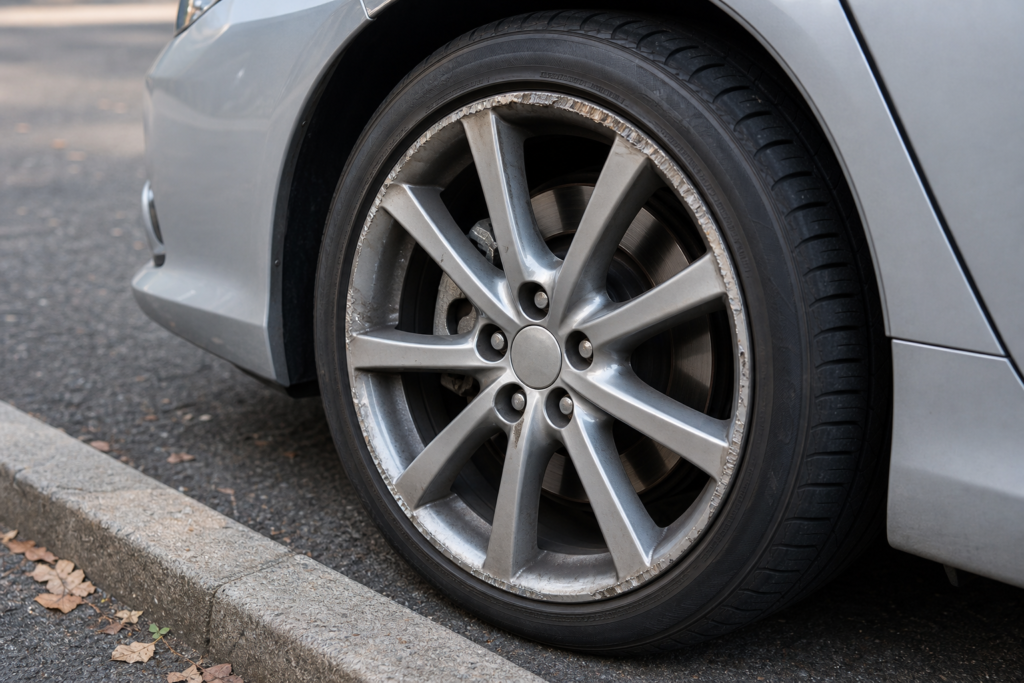
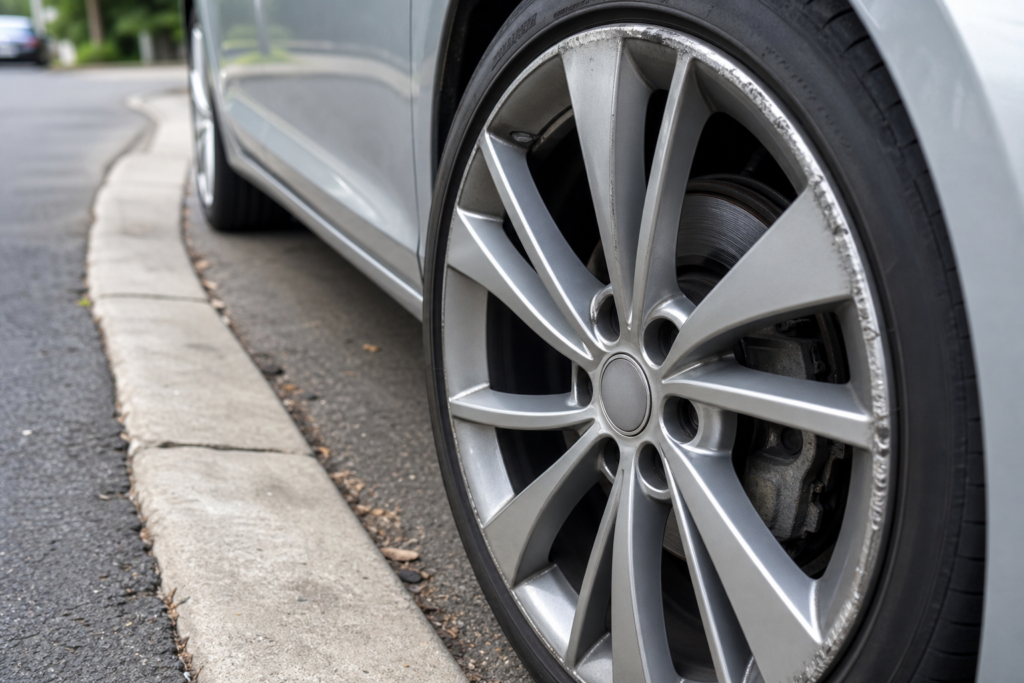
Overnight stops can involve low-speed maneuvering into tight spaces against high concrete curbs, usually in the dark and when you are tired. That is exactly how nice wheels pick up curb rash. If you scrape a lip on a rest-stop island, it may need a cosmetic repair rather than a new wheel — take a look at all the mobile wheel repair services offered before you start pricing replacements. Fix it early, before road salt finds the bare metal.

Staying Safe Through a Kansas Night: Heat, Cold and Ventilation

Summer nights can stay humid and warm long after sunset; winter brings wind off open plains with nothing to slow it down. Check the overnight forecast, not just the daytime high.

The non-negotiable rule: do not sleep with the engine running. Idling for heat or A/C risks carbon monoxide entering the cabin, especially if you are parked in snow that can block the exhaust, or nose-in next to another idling vehicle. Carbon monoxide is odorless and can incapacitate you before you notice anything wrong.

Do this instead:

  • Cold nights: a proper sleeping bag rated below the forecast low, a wool hat, a layer between you and the seat. Insulation beats engine heat and costs nothing to run.
  • Warm nights: crack windows on opposite sides for cross-flow, park in shade if you will still be there at sunrise, and use a battery fan.
  • Always: allow some ventilation, and keep water within reach. Cracked windows do not make dangerous temperatures safe.

Storm season is its own consideration. Kansas gets serious severe weather, and a car is a poor place to ride out hail or high wind. If watches are posted, sleep somewhere with a solid roof over it. Winter holiday driving adds ice and closed highways to the mix, so build in slack and stop early.

If an Officer Wakes You Up: What to Do

An officer checking on an occupied car may be doing a welfare check. How you handle the initial conversation sets the tone.

  • Turn on the interior light and keep your hands visible. You just woke up in a dark car; make the situation easy to read.
  • Lower the window, do not open the door. Talk through the glass first.
  • Say what you are doing plainly. "I got tired driving and pulled in to rest." Drowsy driving is a real hazard and officers know it.
  • Do not sit in the driver's seat with the keys in the ignition if you have had anything to drink. That detail matters more than anything you say.
  • If you are asked to move, explain if you cannot drive safely. Rather than arguing "is it illegal to sleep in your car in Kansas?" at the window, ask which restriction applies and where you can legally park instead. Do not drive while impaired.

Keep your license, registration and insurance somewhere you can reach without digging through bags. Alcohol, an ignored posted restriction, or a private lot where the owner has complained can complicate the encounter.

Questions people ask about sleeping in your car in Kansas

Can I sleep in my car at a rest stop in Kansas?

Kansas maintains rest areas along its interstates so drowsy drivers have somewhere to stop, so it can work. Read the signage on the way in, because some stops post a maximum stay. The expectation everywhere is that you are resting, not camping, so keep tents, grills and folding chairs packed away.

What about the Kansas Turnpike service areas?

The Turnpike's service areas are built around travelers stopping, with fuel, food, restrooms and lit parking. They can be an overnight option, subject to posted restrictions. Park in the car area rather than crowding the truck slots, because drivers on federally mandated rest breaks genuinely need those spaces for their required time off.

Can I get a DUI for sleeping in my car in Kansas if I've been drinking?

Kansas impaired-driving law reaches beyond a car that is actually moving. Prosecutors can build a case around operating or attempting to operate a vehicle, and facts like sitting in the driver's seat, keys in the ignition, engine running or a warm hood can be used as evidence. You do not have to be caught mid-drive.

How do I park safely if I've been drinking and the car is my only option?

Get out of the driver's seat entirely, whether that is the back or passenger seat. Turn the engine off and put the keys out of reach in the glovebox, trunk or your bag. Park legally and stay put, and avoid shoulders or highway ramps. A rideshare, a friend or a motel is safer.

Is it OK to sleep in my car in a store parking lot overnight?

Truck stops, retail lots, casinos and campgrounds are all private land, so you need the owner's permission plus compliance with local rules. Some chains welcome overnight parking, some ban it, and plenty leave it to the individual store manager. Going inside and asking can clarify whether overnight parking is allowed there.

Can I run the engine to stay warm or cool while I sleep?

No. Do not sleep with the engine running. Idling for heat or air conditioning risks carbon monoxide entering the cabin, especially if snow blocks the exhaust or you are nose-in next to another idling vehicle. Carbon monoxide is odorless and can incapacitate you before you notice anything wrong. Use insulation, a battery fan and ventilation instead.

What should I do if a police officer knocks on my window?

The officer may be doing a welfare check. Turn on the interior light, keep your hands visible and lower the window rather than opening the door. Explain plainly that you got tired driving and pulled in to rest. If asked to move, ask which restriction applies and where you can legally park instead.

Related News

OC Trailer Wrap Pricing

Breaks down trailer wrap cost variables in Orange County including coverage level, vinyl grade, design complexity, and how local UV and salt air affect long-term durability.

Read More

Curb Rash Damage Limits

Covers how gouge depth, crack presence, and bead seat location determine whether curb rash is cosmetic or structural, plus repair costs and lease return impact.

Read More

Curb Rash Repair Guide

Covers damage severity assessment, DIY kit limitations, mobile technician vs shop refinishing tradeoffs, finish-specific challenges for machined and gloss black wheels, and when structural replacement is necessary.

Read More

Understanding Curb Rash

Curb rash strips paint and clear coat from alloy rims, exposing bare metal to moisture and corrosion. This post covers causes, repair options, and prevention habits.

Read More

Curb Rash Safety Risks

Covers the 60-second triage for wheel damage after a curb strike, when scraped alloy affects balance, sidewall blowout risks, and when rash is purely cosmetic.

Read More

Curb Rash Prevalence

Curb rash affects drivers of all experience levels, especially on modern low-profile alloy wheels. Covers causes, cosmetic versus structural damage, repair options, and prevention tips.

Read More