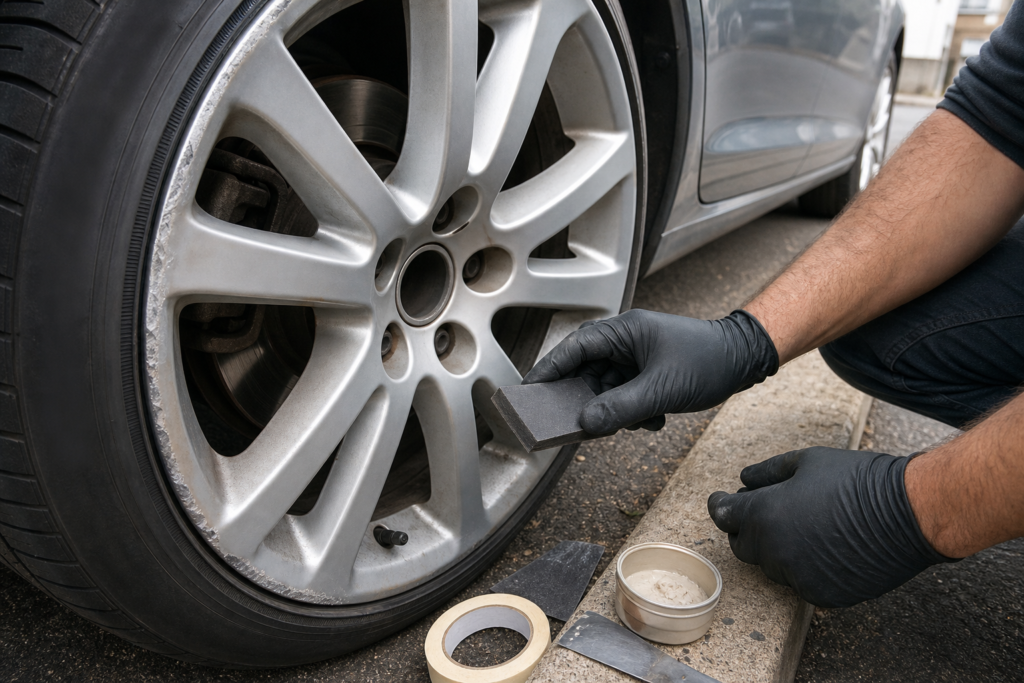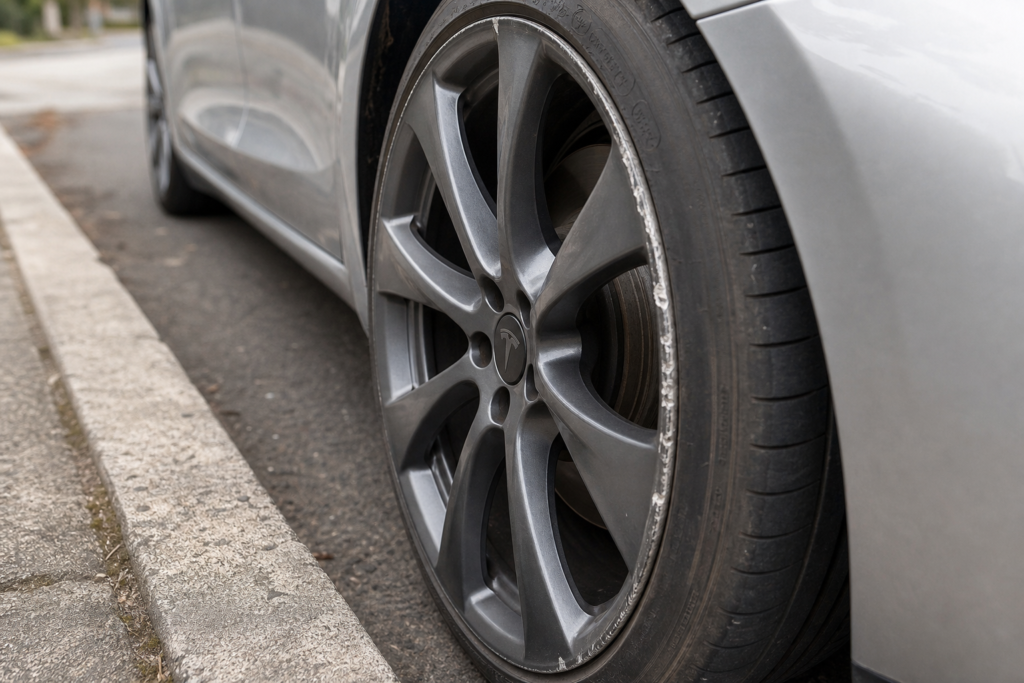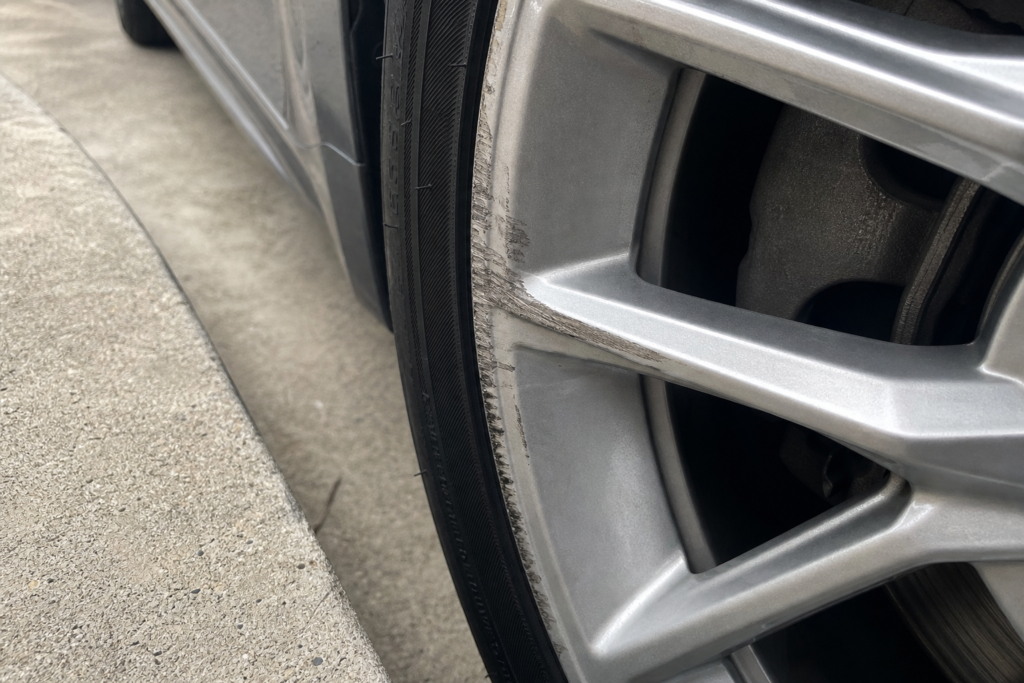
Boston paint does not age, it gets ground down.
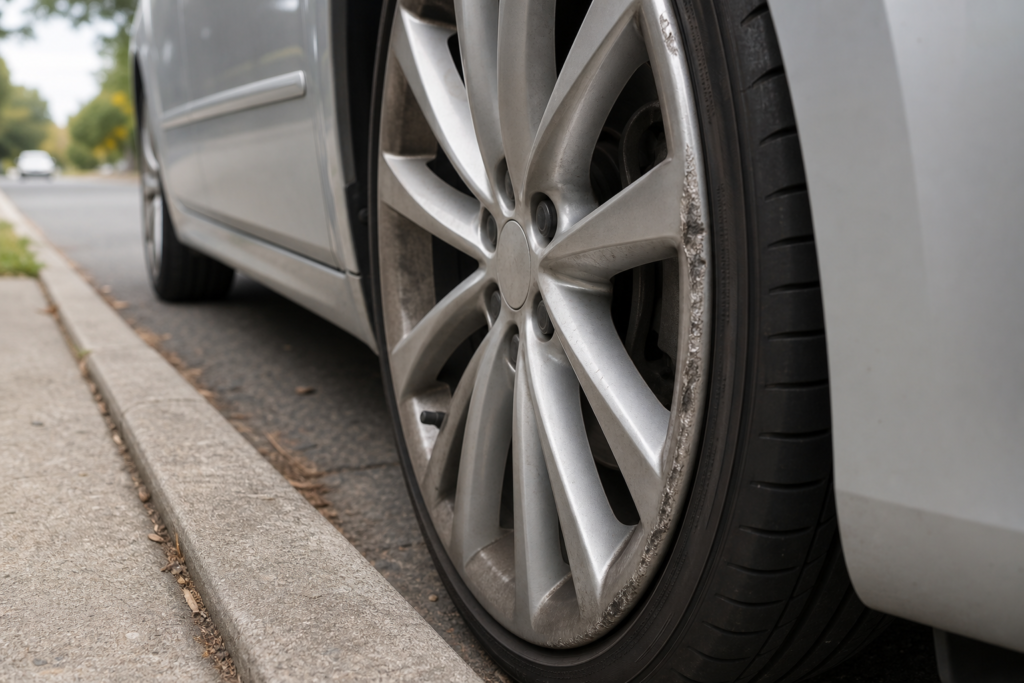
Road salt, calcium chloride brine, sand, and highway debris are relentless from November through April. Street parking adds its own damage: door dings, shopping carts, bumper-to-bumper parallel jobs where someone else’s plate bracket becomes your paint’s problem. Factory clear coat was not designed for this kind of sustained, multi-directional abuse.
That is the context behind the growing interest in vinyl car wrap boston drivers are increasingly looking into. But wraps are not a single product, they are a category, and understanding what each type actually does matters more than knowing they exist.
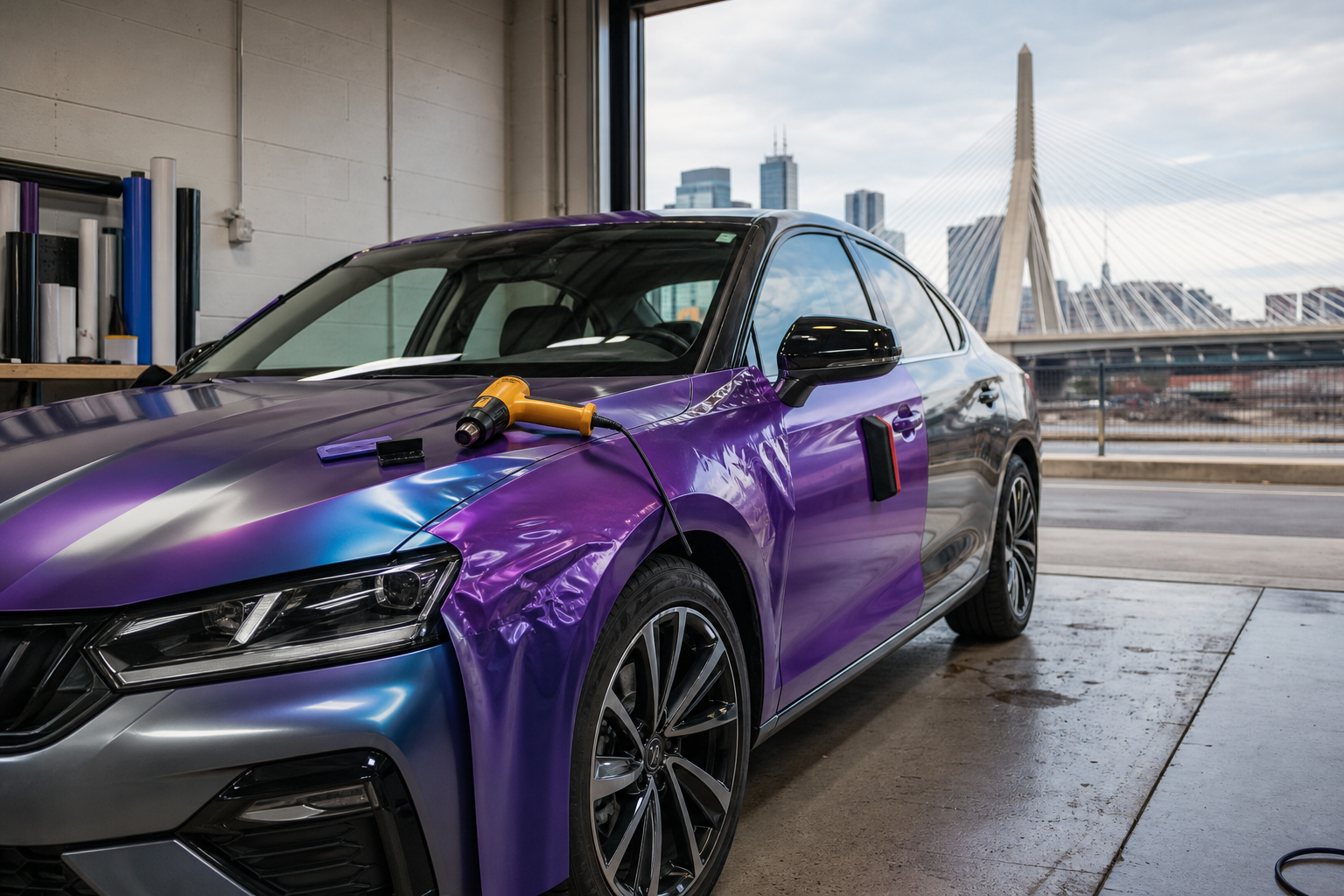
A vinyl wrap is a colored or textured film applied over your existing paint. It changes appearance, and it adds a thin physical layer, but it is not armor. Paint protection film (PPF) is a thicker, optically clear urethane film engineered specifically to absorb impacts, rock chips, key scratches, sand pitting. It does not change your car’s color. Paint, meanwhile, is permanent, expensive to correct, and the thing underneath everything else.
The smart question is not “should I wrap my car?” It is “what am I trying to solve?” style, protection, visibility, or some combination. The answer determines the material, the coverage, and the budget.
Boston’s War on Paint
A WRX merging onto Storrow in January catches salt brine misting the quarter panels. A Model 3 squeezed between a dumpster and a delivery van on a narrow Southie side street picks up door dings on both sides. A Tacoma eating sand and debris on the 93/128 interchange five days a week loses clear coat by spring.
Boston paint does not age, it gets ground down.
Goal First, Finish Second
Start with what you actually want. A color change wrap in Boston, MA gives you a completely different look without committing to a repaint, useful if you are leasing, plan to sell, or just want matte black on a white Civic without permanence. A commercial wrap turns a work van or fleet vehicle into a rolling billboard, which matters when your truck sits in traffic on the Pike for an hour every morning. A partial wrap or accent wrap, hood, roof, mirror caps, rockers, lets you add contrast or protect specific zones without the cost of full coverage.
Full wraps make sense when the goal is total transformation: color, finish, and uniform coverage from bumper to bumper. Partial wraps make sense when you are strategic. In Boston specifically, the highest-abuse areas are rocker panels, lower bumper edges, fender lips, and anything behind the front wheels. Those zones catch the worst of the salt spray and road debris. Wrapping just those panels, or combining vinyl with PPF there, can address real damage patterns without covering every square inch.
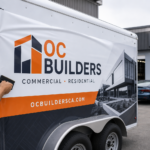
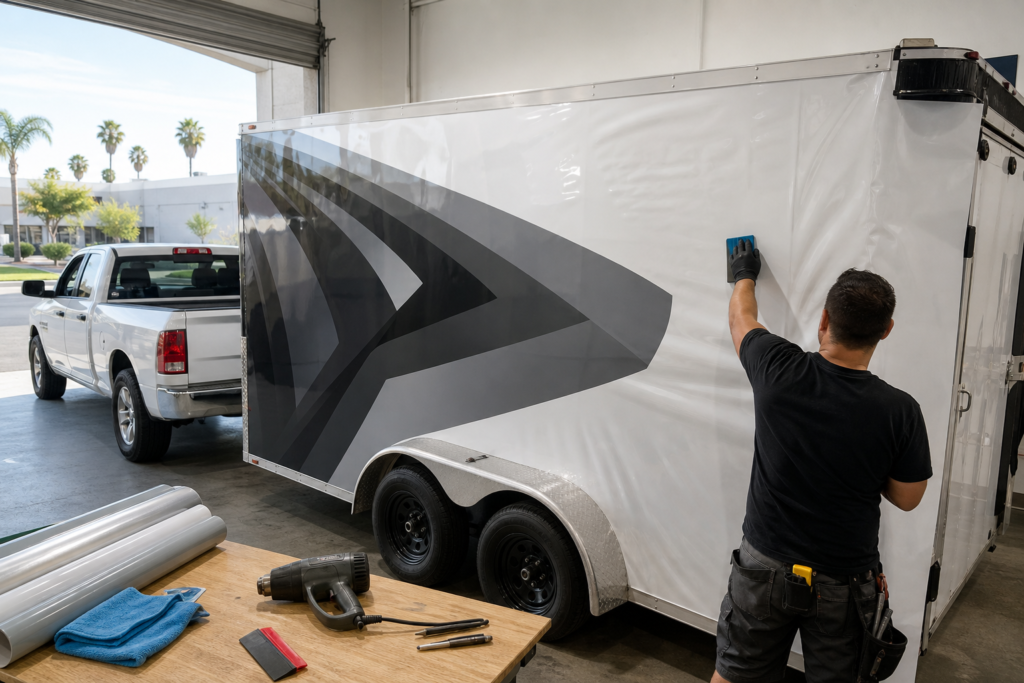
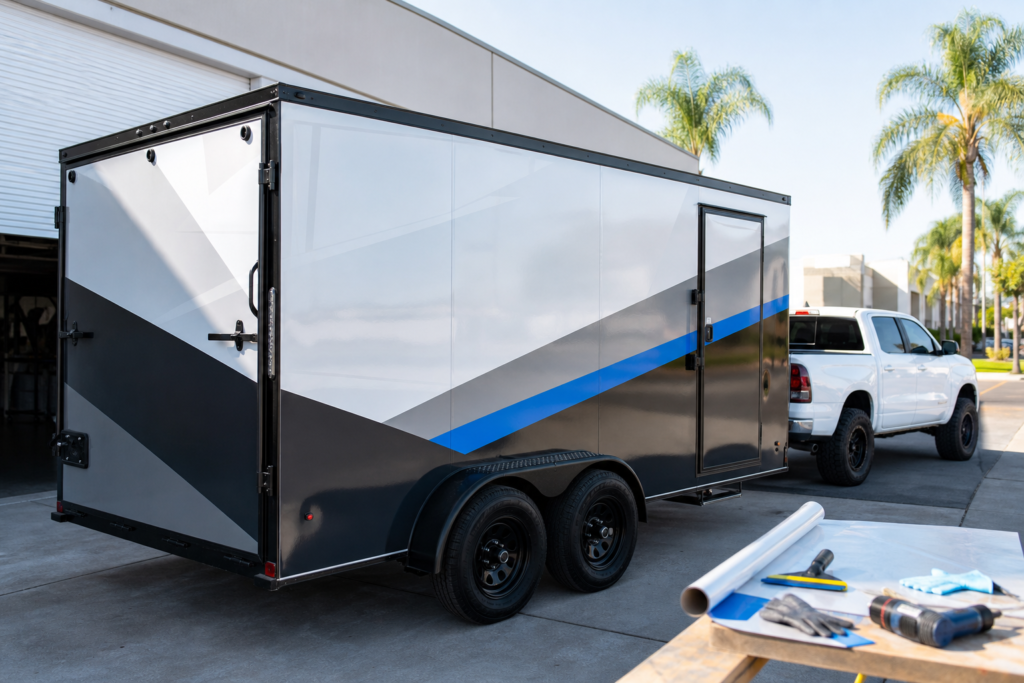
For commercial vehicles, coverage decisions are driven by design and branding rather than protection alone. A contractor’s F-150 might get a full wrap with company graphics; a small catering business might wrap only the tailgate and rear quarters. The goal is visibility, and the wrap pays for itself through impressions rather than paint savings.
Finishes That Survive New England
Once you know your goal, the finish conversation gets easier. Gloss wraps mimic fresh paint and are the most forgiving to wash and maintain. Satin finishes split the difference, smooth but not reflective. Matte wraps look striking, but they stain more easily and show water spots, bird droppings, and contamination faster. In a city where your car sits under trees, near construction dust, and behind salt trucks, matte demands more attentive care.
Metallic and color-shifting films add depth but increase installation complexity, especially on curved or recessed panels. Textured films, carbon fiber patterns, brushed metal, work best as accents. A full carbon fiber wrap on a Rav4 rarely looks as good in person as it does on a screen.
Boston’s freeze-thaw cycles stress adhesive bonds. Films from reputable manufacturers handle temperature swings better than bargain alternatives, which tend to shrink, lift at edges, or discolor after a single winter. Ask about the specific film brand and series, not just “we use premium vinyl.”
The hybrid approach is worth understanding. Layering paint protection film on high-impact zones, rocker panels, bumper leading edges, hood front, behind the rear wheels, and vinyl wrap everywhere else gives you both style and genuine impact resistance where it counts. PPF on the lower third of the car handles the salt, sand, and stone chips; vinyl on the upper panels handles the look. It costs more, but for cars that live on Boston streets year-round, it addresses the actual damage pattern rather than hoping one product does everything.
Installation Process and Cost Drivers
A proper installation follows a sequence: consultation and goal-setting, design mockups for custom or commercial work, thorough surface prep (wash, clay, decontamination, and correction of any paint defects that would telegraph through the film), installation in a clean controlled environment, post-heat treatment of edges and curves, curing time, and a final inspection before the car leaves.
Vinyl wrap cost in Boston varies significantly, and understanding the drivers helps you budget realistically. Vehicle size is the most obvious factor, a Civic costs less to wrap than an F-150. Complex body lines, deep recesses, and aggressive curves increase labor time. Film type matters: a standard gloss color-change film costs less per foot than a specialty satin metallic. Custom-designed commercial wraps add design hours. If old wrap or damaged clear coat needs to come off first, that is additional prep time. And a car that lives in a garage cures differently than one parked on the street the same night.
When evaluating a car wrap installer near Boston, look at the portfolio carefully. Zoom into edges, seams, door handles, mirror caps, and bumper corners, those are where skill shows. Ask about warranty language: what is covered, for how long, and what voids it. Ask which films they stock and whether they will let you see samples on a panel, not just a swatch book. A clean, temperature-controlled shop matters because dust and temperature swings during installation cause defects that show up weeks later. Be skeptical of turnaround promises that seem too fast for a full wrap, two to five days is common depending on complexity, and rushing means corners get cut, literally.
Long-Term Expectations and Care
Wraps photograph well, and a fresh installation looks fantastic. But set expectations honestly. Existing paint defects, dents, deep scratches, chips down to primer, will show through vinyl. The film conforms to the surface beneath it; it does not fill or hide. Door jambs are another reality check. Most wraps stop at the visible edge of the jamb. Open the door and you will see the original paint. That is normal, not a flaw, but it surprises people who expected bumper-to-bumper coverage to mean literally everywhere.
Seams exist on every wrap. Good installers place them in body lines, creases, or low-visibility areas. Bad installers leave visible overlaps on flat panels. Edges that were not properly post-heated or tucked will eventually lift, especially through Boston winters when ice scrapers, brush washes, and road grime test every millimeter.
Washing a wrapped car means hand washing or touchless only. Brush washes will damage edges and dull matte finishes. Winter care means rinsing salt off regularly, weekly if possible, because salt brine sits on horizontal surfaces and eats into adhesive edges over time. Parking under a tree in summer means sap and bird deposits need to come off quickly, especially on matte or satin finishes where staining sets fast.
Removal is straightforward if the wrap was installed on healthy paint with quality film. Cheap film or paint that was already failing before the wrap can mean adhesive residue, clear coat damage, or a surface worse than what you started with. Plan for removal costs when budgeting, because no wrap lasts forever, most quality films are rated for several years, depending on care and exposure.
Boston Driver Wrap Checklist
Before you talk to any shop, clarify your own priorities. Know whether the goal is a color change, brand visibility, targeted protection, or a combination. Decide on finish preference, gloss, satin, or matte, with realistic expectations about maintenance, especially through winter. Think about coverage: full wrap for total transformation, partial for strategic protection or accent, or a hybrid with PPF on the zones that take the worst abuse.
Understand your budget drivers. Vehicle size, film type, design complexity, surface prep, and removal of existing wrap or damage all move the number. Get a vinyl car wrap in Boston quoted with specifics, not a flat rate that does not account for your car’s actual condition and body complexity.
When you visit a shop, ask to see finished cars, not just photos. Ask about the film brand and warranty terms. Ask how they handle edges, door jambs, and complex curves. Ask what happens if something lifts or fails within the warranty period. A good installer welcomes these questions because the answers are their competitive advantage.
The best wrap decision starts with knowing what Boston will do to your car and choosing materials, coverage, and care habits that match that reality. No single product solves everything, but the right combination, chosen honestly, holds up.