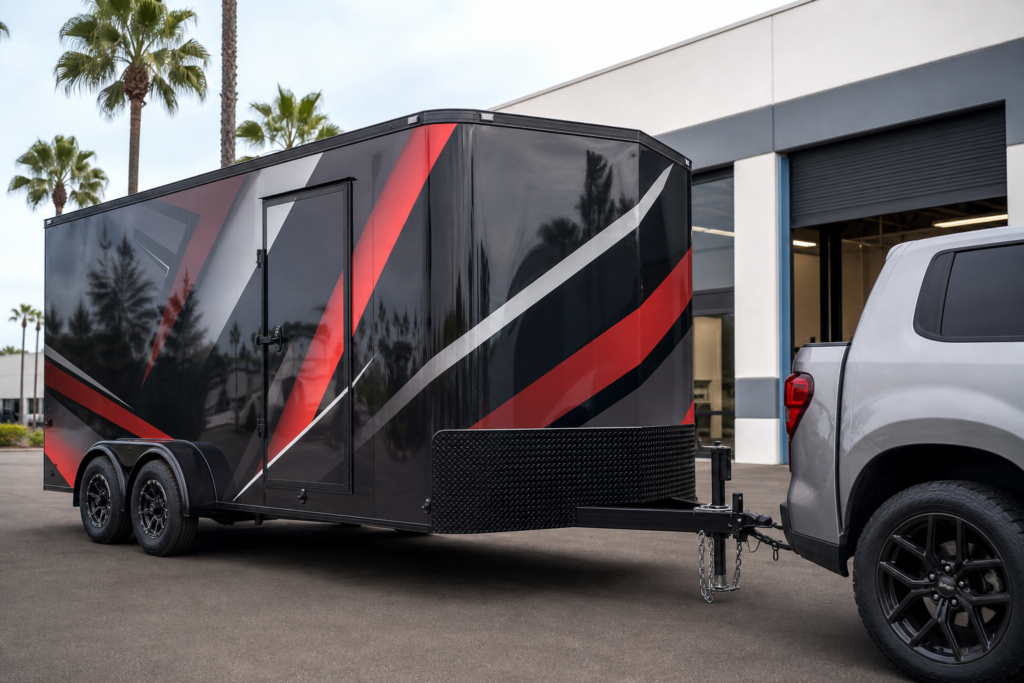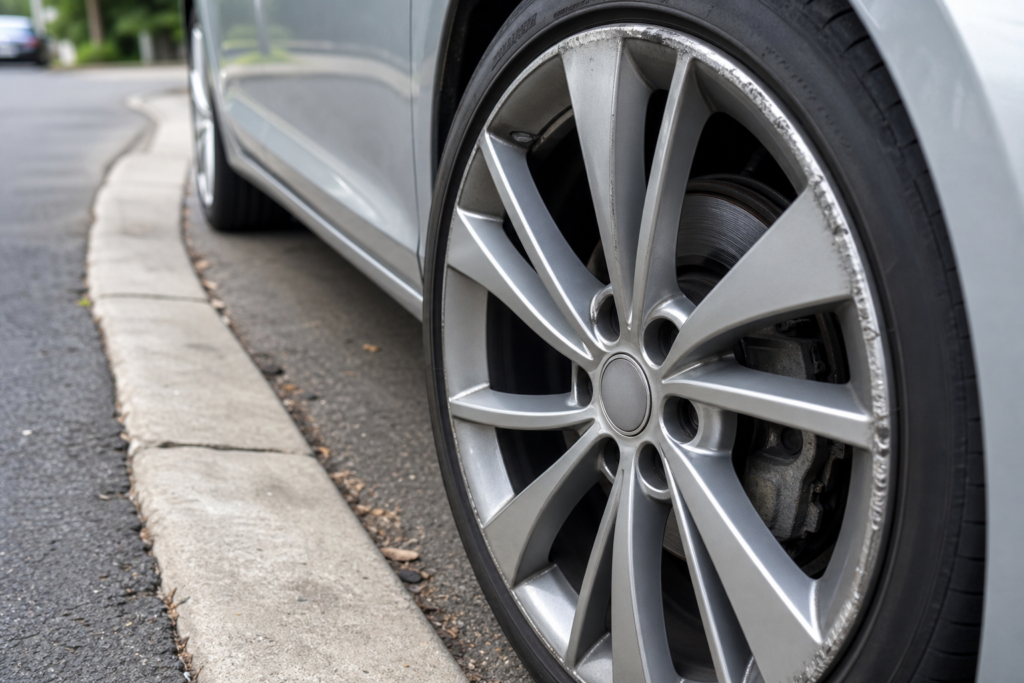
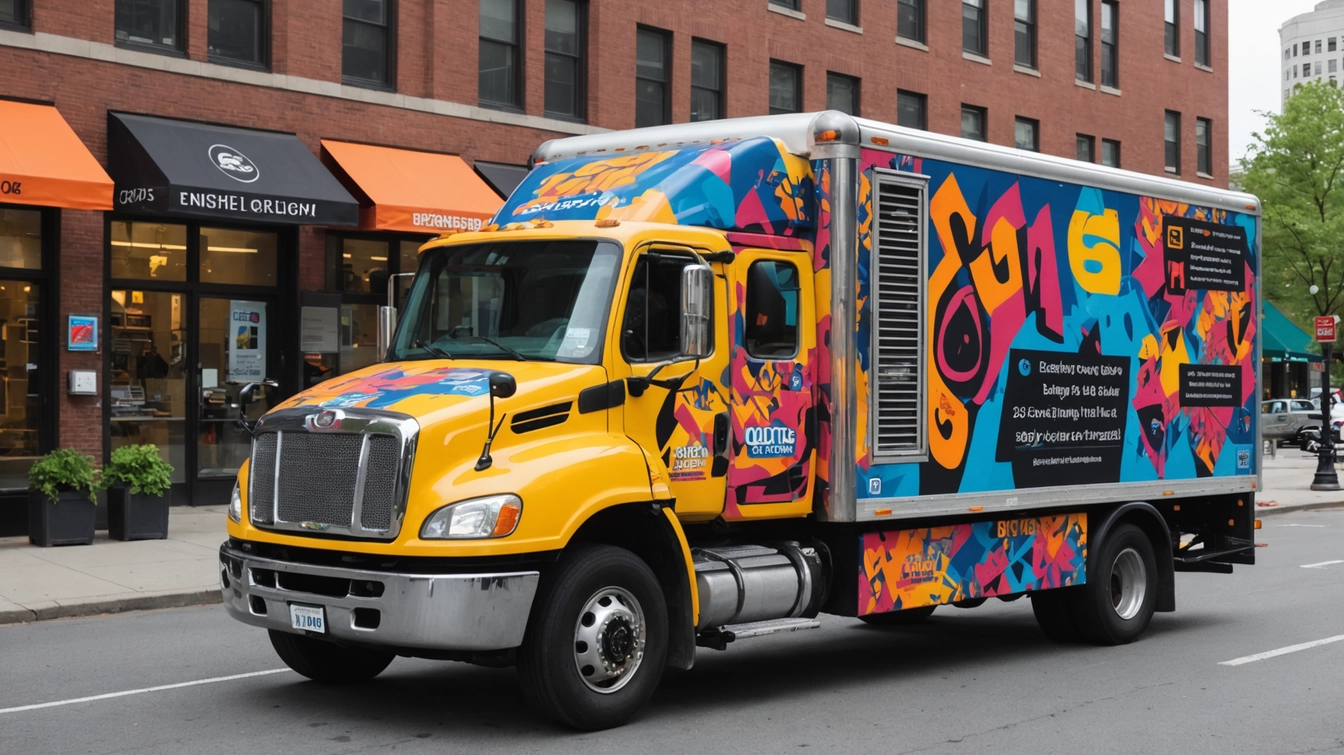
For Boston businesses, a professionally wrapped truck is more than transportation. It is a rolling billboard that works the morning commute, the lunch rush, and every job site in between. This guide explains everything you need to know about truck wraps in Boston, from surviving Massachusetts winters to understanding real return on investment.
- Why Boston Businesses Are Moving Away from Billboards
- Choosing the Right Wrap for Massachusetts Winters
- How Much Does a Truck Wrap Cost in Boston?
- Industry Specific Use Cases
- 3M vs Avery and Material Science
- Top Design Trends
- Boston Permits and Regulations
- Maintenance and Care
- The Installation Process
- Is a Truck Wrap Right for Your Business?
Why Boston Businesses Are Moving Away from Billboards
A billboard on I-93 can cost anywhere from $8,000 to $20,000 per month depending on location and size. A drive time radio spot on WBZ or WEEI costs hundreds per airing, and the message disappears immediately.
A commercial truck wrap costs between $3,800 and $5,600 as a one time investment and lasts five to seven years with proper care. When you compare cost per impression, the difference is dramatic.
- The gridlock advantage: Boston is one of the most congested cities in the country. Your truck is not speeding by; it is parked next to potential customers on the Mass Pike, Route 128, or Storrow Drive.
- Geographic reach: One wrapped vehicle can generate impressions in Brookline, Cambridge, Quincy, and downtown Boston in a single day.
- Credibility on arrival: A wrapped truck arriving in Back Bay or the Seaport signals professionalism and trust.
Choosing the Right Wrap for Massachusetts Winters
Boston weather tests every material. Temperatures swing from below zero to extreme summer heat, and roads are covered with road salt, slush, and snow. The right wrap protects your truck and your investment.
The Road Salt Factor
Massachusetts uses hundreds of thousands of tons of road salt every year. A high-quality vinyl wrap acts as a protective layer, shielding your original paint from corrosion and damage.
Expansion and Contraction
- Use cast vinyl that moves with the vehicle body
- Allow proper curing time based on ambient temperature
- Apply correct tension during installation
UV Protection
Quality wraps include UV inhibitors that protect both the vinyl and your original paint. This keeps colors vibrant and prevents fading year-round.
How Much Does a Truck Wrap Cost in Boston?
- Spot Graphics: $500 to $1,200; logos, phone number, and website
- Partial Wrap: $1,500 to $3,000; high visibility panels only
- Full Wrap: $3,800 to $5,600 and up; complete transformation
- Rush jobs cost more
- Complex curves require additional labor
- Reflective vinyl adds 15 to 20 percent
- Fleet discounts often start at three vehicles
Industry Specific Use Cases
Trades and HVAC
Wrapped service vehicles build trust. In historic neighborhoods, professionalism matters. Including license numbers prominently improves credibility.
Food Trucks
- Heat-resistant materials near the exhaust
- Food safe imagery and messaging
- Bold colors that stand out in crowded locations
Delivery and Logistics
Consistent fleet branding creates recognition and gives the impression of a larger, more established operation.
Construction and Contractors
Job sites are long-term marketing opportunities. Bold, durable designs emphasize reliability and experience.
3M vs Avery and Material Science
Cast vs Calendared Vinyl
Cast vinyl conforms to complex curves and lasts longer. Calendared vinyl is cheaper but prone to failure on modern vehicles. For commercial trucks, cast vinyl is essential.
Finish Options
- Gloss, vibrant and reflective
- Matte, modern and understated
- Satin, balanced appearance
- Reflective, increased visibility and safety
Top Design Trends
QR Codes
- Minimum size of eight inches square
- High contrast designs
- Mobile-optimized landing pages
Reflective Elements
Reflective accents improve nighttime visibility during long Boston winters and add an extra layer of safety.
Boston Permits and Regulations
- Company name
- City and state
- GVW for vehicles over 10,000 pounds
- DOT and MC numbers for interstate vehicles
A professional designer integrates these requirements cleanly into the overall design.
Maintenance and Care
Winter Washing
- Rinse weekly during winter
- Use touchless or hand washing
- Avoid hot water
Snow and Ice Removal
Never use scrapers or rigid tools. Use a soft brush and let the ice melt naturally.
Ceramic Coating
- Easier cleaning
- Improved UV protection
- Extended wrap lifespan
The Installation Process
- Design; three to five business days
- Production; two to three business days
- Installation; one to three days
- Curing; twenty four to forty eight hours
Installation must be done in a climate controlled facility. Outdoor or unheated installations risk failure.
Is a Truck Wrap Right for Your Business?
- Your vehicles are on the road regularly
- You serve visible geographic areas
- Your brand benefits from professional presentation
- Vehicles rarely leave the job site
- Your business has a fixed B2B client base
- Vehicles will be replaced within one to two years
Conclusion
Your trucks already drive through Boston every day. A professional wrap conveys trust, credibility, and brand recognition every mile they travel. Whether you operate a single service van or an entire fleet, a truck wrap turns unavoidable traffic into measurable marketing.