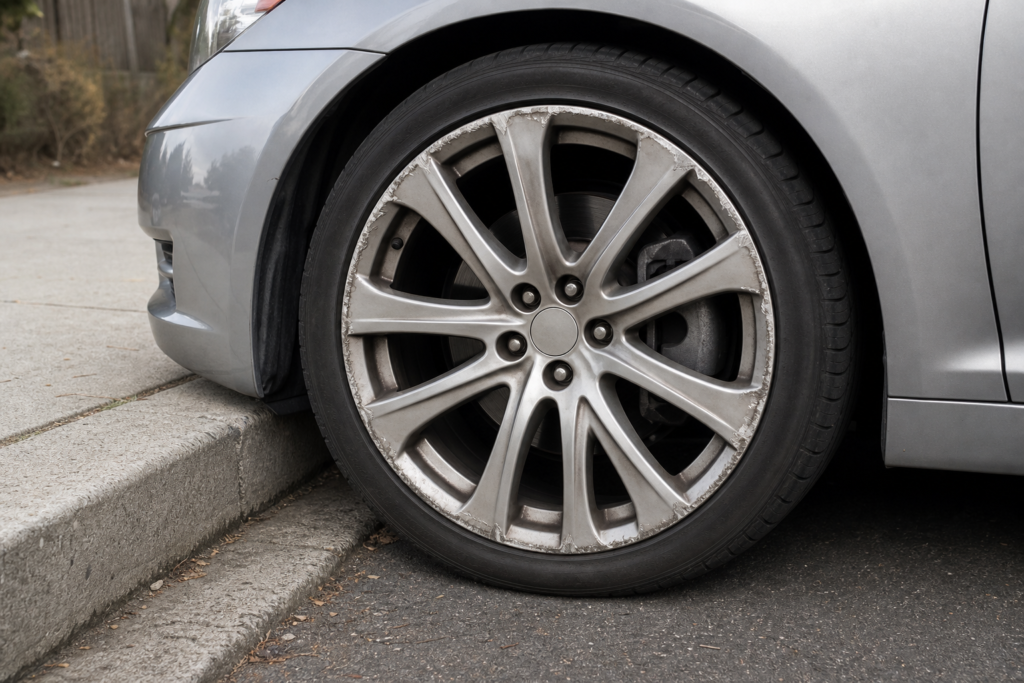
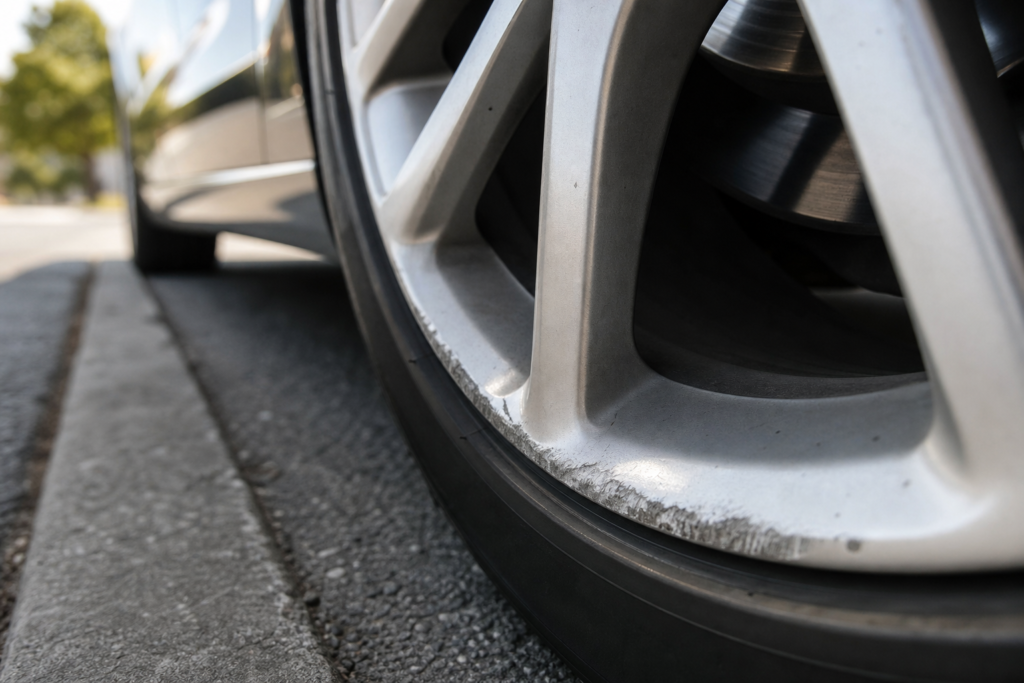
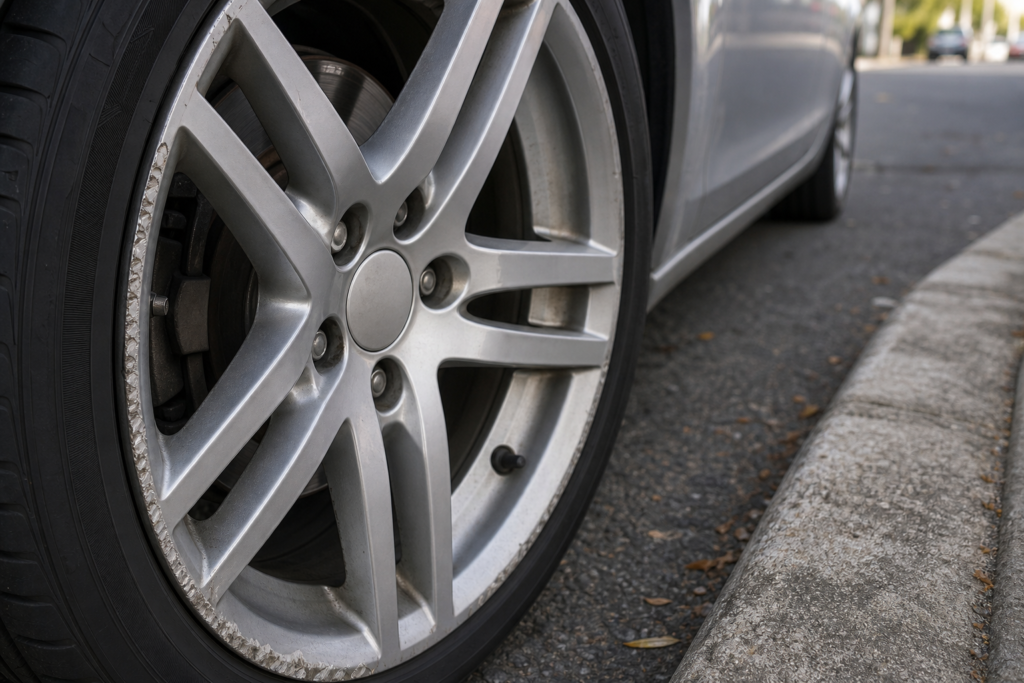
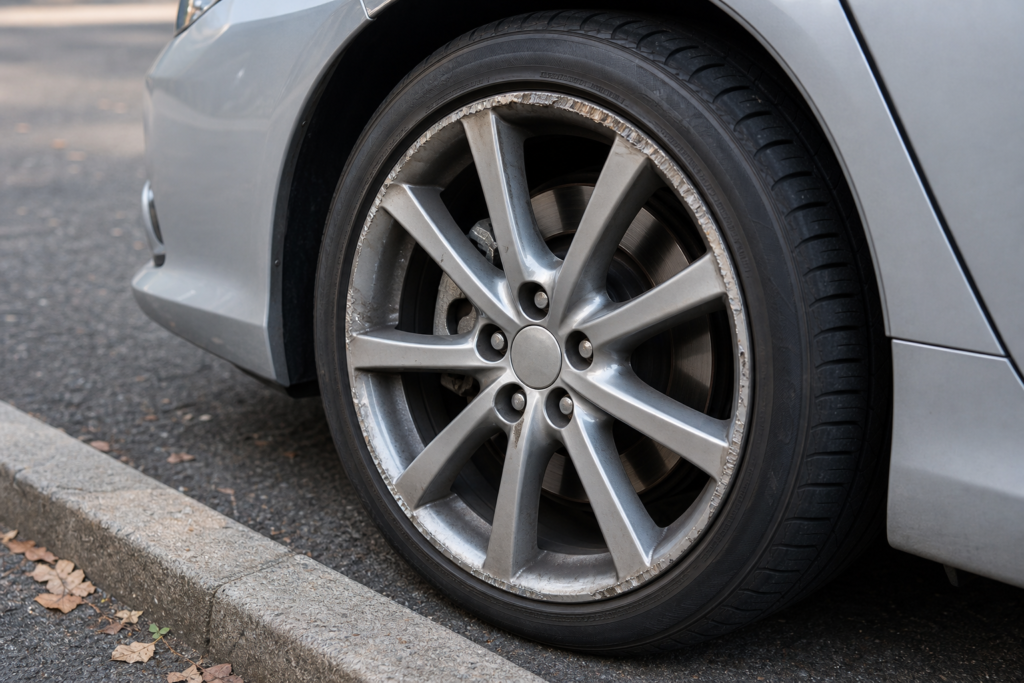
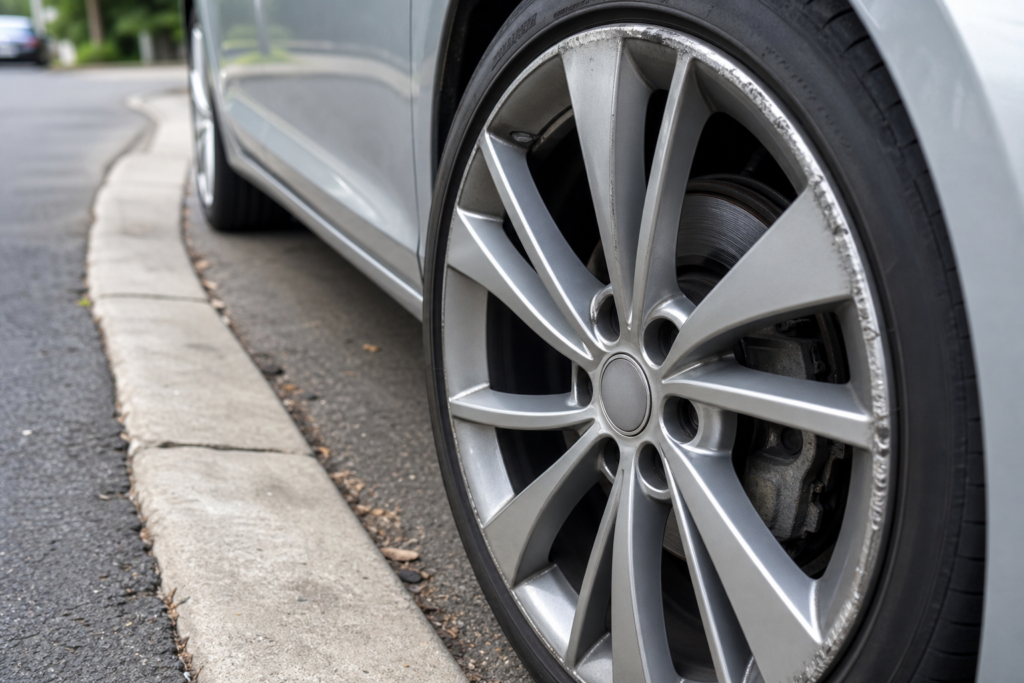
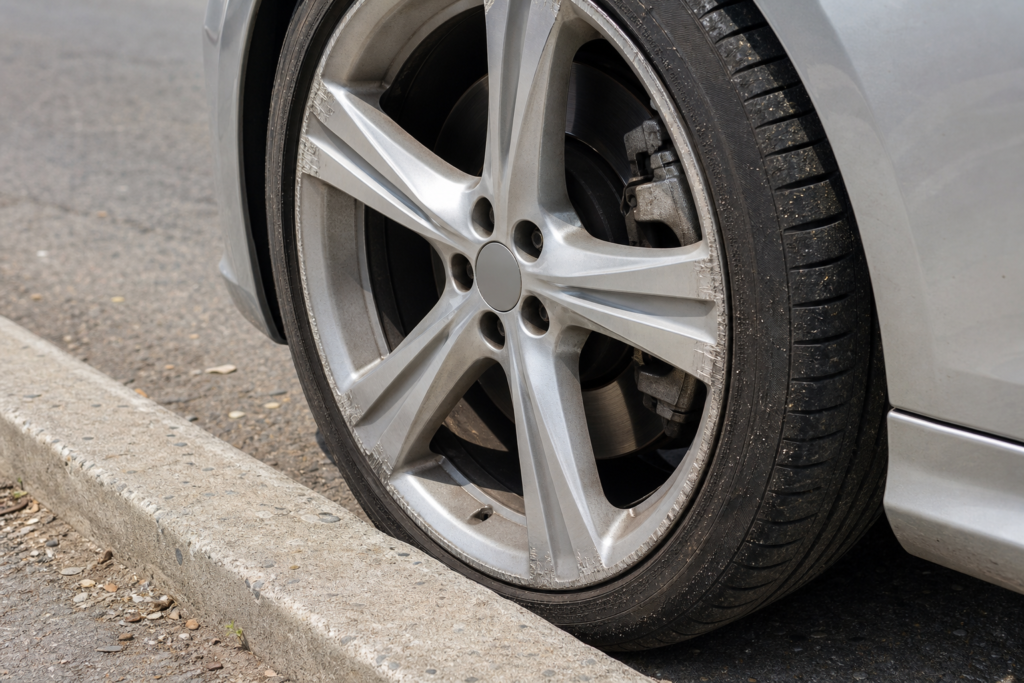
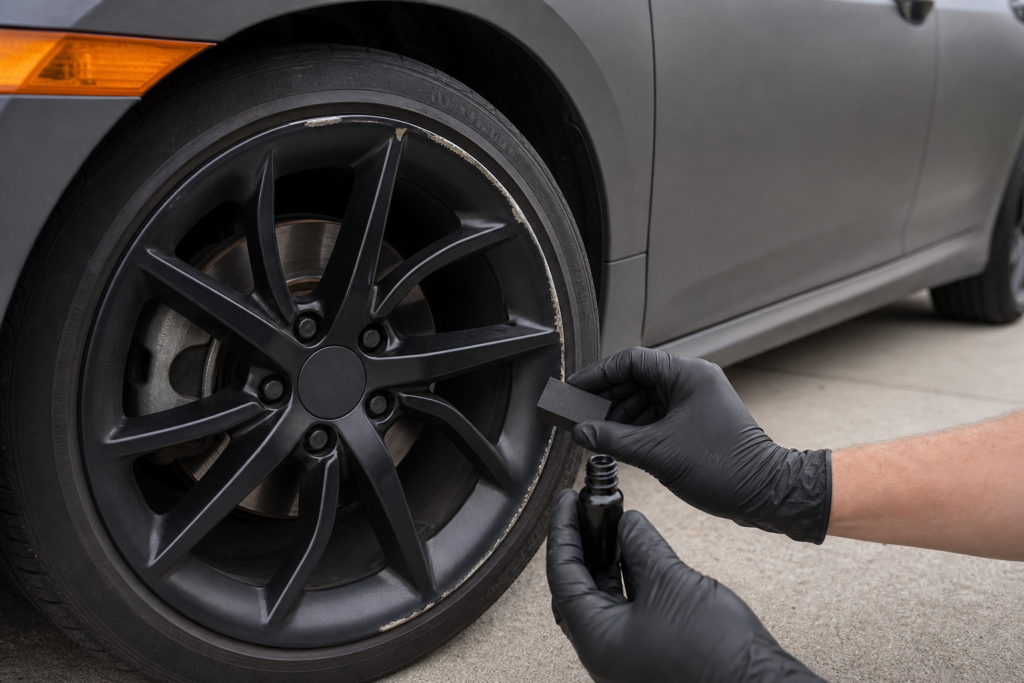
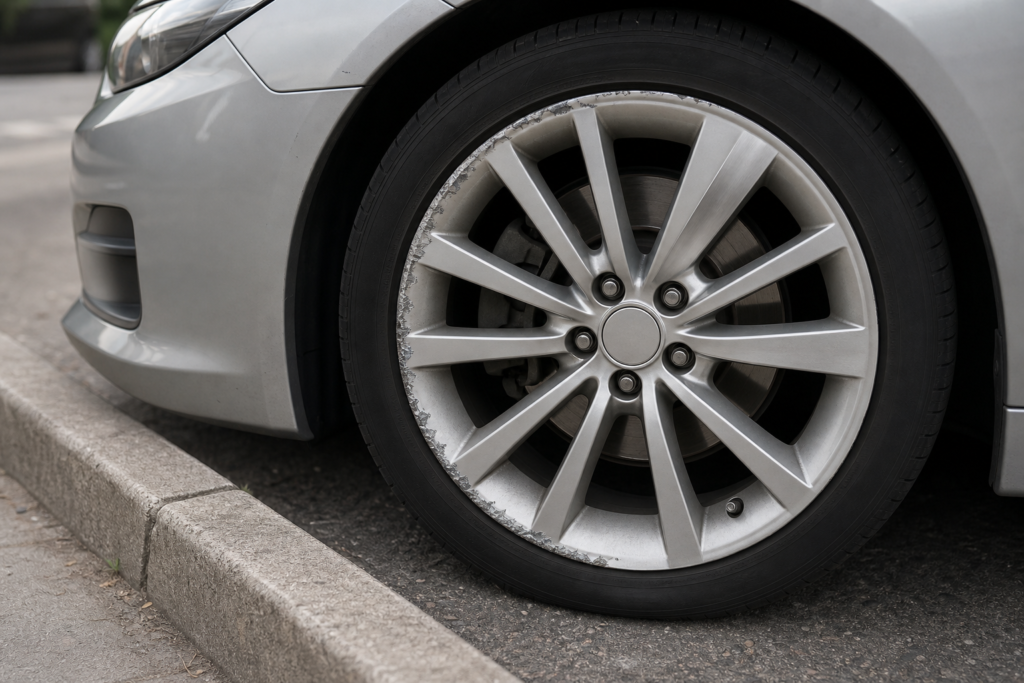
If you have driven in Boston for more than one winter, you already know the truth: this city is brutal on cars. Between salt-soaked roads from November through April, the pollen bomb that hits in late April through early June, coastal salt air in neighborhoods near the water, and the constant battle for parking in places like Southie and the North End, your vehicle takes a beating that drivers in other regions rarely deal with. This guide is a Boston-specific survival manual focused on protecting your investment with practical steps, seasonal timing, and service choices that actually make sense for Massachusetts conditions.
Introduction
Boston car care is not generic. The goal is not just a clean look for the weekend; it is keeping paint, trim, and underbody components from deteriorating faster than they should. The right prevention steps taken at the right time of year are what separate a car that still looks great after several winters from one that starts showing serious corrosion, fading, and interior salt damage early in its life.
Back to Top
Part 1: The Boston Survival Guide
Understanding the specific environmental factors that destroy cars in Massachusetts is the first step toward protecting your investment. Boston drivers face three major threats that work like a one-two-three punch: winter salt and brine, spring pollen, and coastal salt air combined with tree sap.
The Salt and Brine Attack; Winter’s Hidden Assault
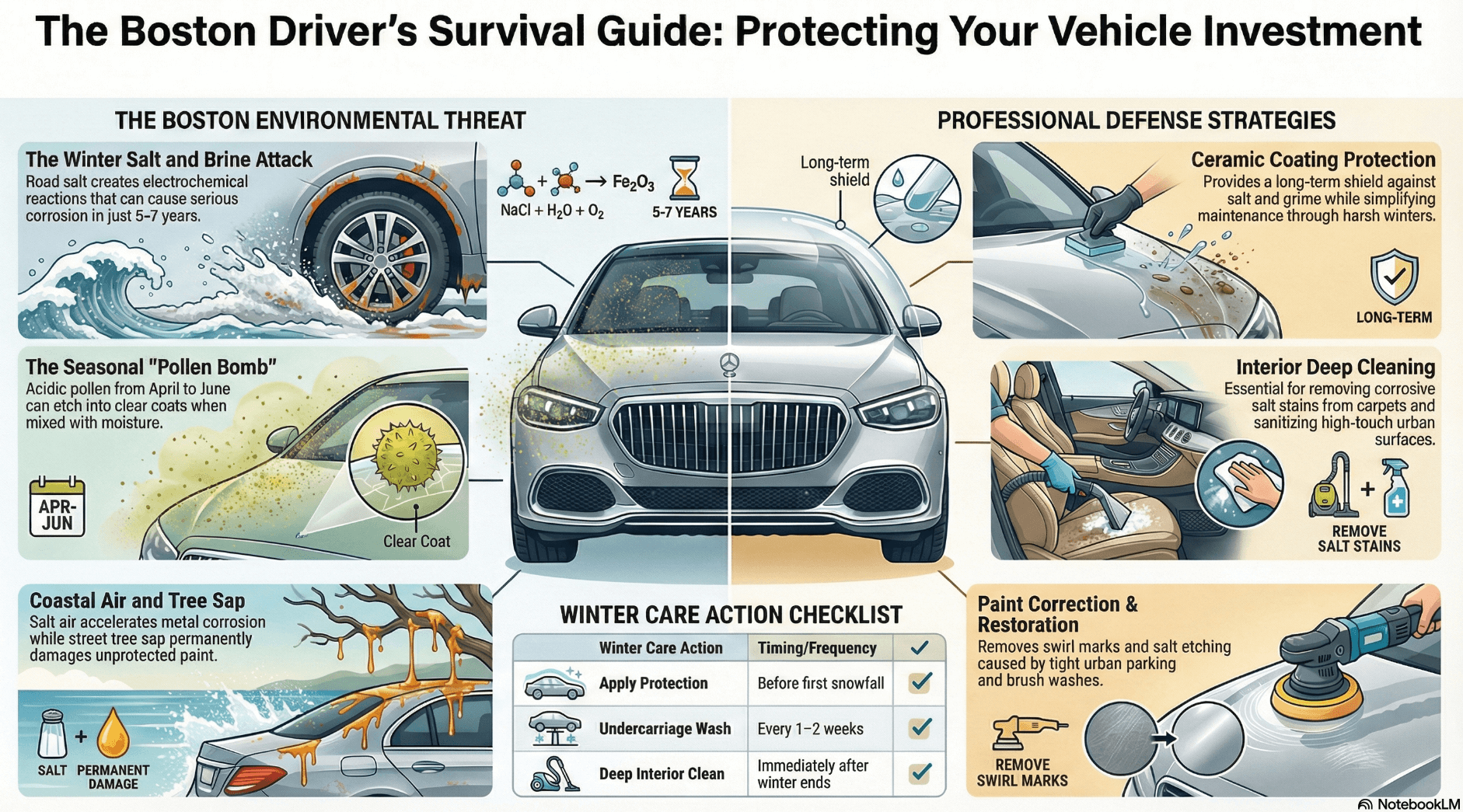
Every winter, road salt and liquid brine create a corrosive cocktail that coats your vehicle from the rocker panels down. Salt does not just make your car look dirty; it triggers an electrochemical reaction that accelerates rust far faster than normal. The undercarriage is the main target because it is constantly blasted by road spray, and in Boston, it is common to see meaningful structural rust in as little as five to seven years on vehicles that are not properly protected.
The undercarriage crisis is real because critical components are exposed: brake lines, fuel lines, suspension components, mounting points, and the frame. Once corrosion sets in, repairs are not cosmetic; they become safety and reliability issues. Brine makes this worse because it coats surfaces more completely than rock salt and seeps into seams and crevices, sometimes before snow even starts falling.
- Wash your car every one to two weeks during salt season, focusing on a true undercarriage rinse
- Rinse immediately after major storms; do not let salt residue sit for extended periods
- Apply ceramic coating or a high-quality sealant before winter arrives; pre-winter application is crucial
- Consider professional undercoating that creates a physical barrier against salt spray
- Avoid recontamination; if you wash and then drive through slush and brine immediately after, plan another rinse sooner
Back to Top
The Pollen Bomb; Late April Through Early June
Just when winter ends, Boston gets hit with the pollen bomb. From late April through early June, tree pollen can coat vehicles overnight, especially after warm days followed by cool nights. Pollen is not just ugly; it is acidic. When pollen sits on paint and gets wet from rain or morning dew, it can begin etching into clear coat. It also embeds into paint pores, which is why a quick wash sometimes does not fully solve the problem.
- At the start of pollen season, apply a fresh coat of wax or sealant as a sacrificial barrier
- During peak weeks, rinse your car with plain water every few days so pollen does not build up
- Never wipe dry pollen off the paint; it is abrasive and can scratch the surface
- After pollen season ends, schedule a clay bar decontamination to remove embedded particles
Back to Top
Tree Sap and Coastal Salt Air: The Coastal Car Killer
If you live or work near the water in areas like South Boston, East Boston, Revere, Quincy, Winthrop, or other coastal zones, salt air is a year-round threat. Ocean air carries microscopic salt particles that settle on paint, trim, and exposed metal, accelerating corrosion even when roads are dry. Combine that with tree sap dripping from street trees in warmer months, and you get one of the fastest ways to ruin clear coat.
Tree sap hardens into a resin when baked by the sun. Once it sets, removing it the wrong way can pull or scar the clear coat, leaving permanent marks. Coastal salt also attacks hardware you might not think about: door hinges, trunk latches, hood releases, and exterior trim can corrode and bind more quickly near the waterfront.
- Wash at least weekly during summer if you park near the ocean or along the waterfront
- Use ceramic coating for long-term protection against salt air film and contamination
- Remove tree sap immediately using a proper sap remover; never scrape or use harsh household solvents
- Lubricate hinges and latches regularly to prevent salt-induced binding
- Consider covered parking when possible; even a carport helps reduce salt air settling and sap exposure
Back to Top
Part 2: Why Each Detailing Service Matters for Boston Drivers
Not all detailing services matter equally in every climate. In Boston, the best services are the ones that directly counter salt, moisture, embedded contamination, and city-inflicted paint damage.
Ceramic Coating: A Long-Term Shield Against Boston Winters
Ceramic coating is especially valuable in Boston because it helps prevent salt grime from bonding tightly to paint. The hydrophobic behavior encourages water, slush, and salt spray to sheet and bead off, making winter maintenance faster and reducing the time that corrosive contamination sits on surfaces. Because quality coatings can last multiple years, one installation can protect your vehicle through several Massachusetts winters.
Back to Top
Interior Deep Clean; Undoing Boston Commute Damage
Boston interiors deal with salt-crusted boots, damp carpets, and long commutes. Salt deposits keep carpet fibers and padding damp, which can lead to odors and premature wear. A real interior deep clean removes salt residue from mats and carpet, sanitizes high-touch surfaces, and helps preserve leather against winter dryness and summer humidity.
Back to Top
Paint Correction: Erasing City Battle Scars
Boston parking is tight, and door dings, scuffs, and swirl marks add up quickly. Paint correction is the process of machine polishing to reduce or remove light scratches, swirl marks, and salt-related etching. It is often the difference between paint that looks hazy and paint that looks crisp and reflective again.
Back to Top
Mobile Detailing: Convenience That Boston Demands
In a city where traffic is always working against you, and parking is a competitive sport, mobile detailing can be the most practical option for routine maintenance. It saves you the drive, avoids the pickup hassle, and can reduce immediate recontamination during winter by keeping you from driving home on freshly treated roads right after service.
Back to Top
Part 3: Local Resources for Boston Car Owners
Best Places for a Post Detail Photoshoot in Boston
If you just had your car detailed and you want photos that actually do the finish justice, these Boston spots deliver great backdrops and clean lines.
- Seaport District
- Larz Anderson Park in Brookline
- Charles River Esplanade
- Castle Island in South Boston
- Arnold Arboretum in Jamaica Plain
Want to add your own favorite location; share it in the comments so other Boston drivers can find new spots.
Back to Top
Winter Car Care Checklist for Massachusetts Drivers
Preparing for winter is not optional here. Use this checklist to stay ahead of rust, paint degradation, and interior salt damage.
- Before winter, apply ceramic coating or a fresh sealant and inspect the undercarriage
- Before winter, replace worn wiper blades with winter rated blades and verify washer fluid is winter rated
- Before winter, check antifreeze protection and treat rubber door seals to reduce freezing issues
- During winter, wash every one to two weeks with undercarriage focus and rinse after major storms
- During winter, avoid brush style car washes; choose touchless or safe hand washing
- After winter, schedule a comprehensive detail including undercarriage cleaning and interior salt removal
- After winter, inspect paint for etching and consider paint correction before applying fresh protection for pollen season
Back to Top
Part 4: Making Informed Decisions
Mobile Detailing vs Shop Based: An Honest Boston Comparison
For maintenance washes and routine interior cleaning, mobile service usually makes the most sense in Boston because it avoids traffic, parking headaches, and wasted time. For intensive services like multi-stage paint correction or ceramic coating installation, a shop environment can offer better lighting, tighter climate control, and more consistent conditions. Many Boston drivers use mobile services for maintenance and schedule shop visits for major repairs.
Back to Top
Why Cheap Car Washes Cost More in the Long Run
That cheap tunnel wash feels convenient until you see what it does to paint. Brush-style washes drag trapped grit across the surface and leave swirl marks that make the paint look dull and hazy. Over time, you end up paying for paint correction to undo the damage. In Boston’s winter, this cycle is even worse because salt and grit are everywhere, increasing the abrasive load inside those brushes.
- Brush washes create swirl marks that often require professional correction later
- Touchless washes reduce swirl risk but may not remove heavy winter contamination on their own
- Safe hand washing or professional maintenance is usually cheaper than repairing years of wash-induced damage
Back to Top
Pricing Red Flags and What Pros Do Differently
Extremely low prices often mean corners are being cut on time, products, training, or insurance. A real professional will ask for photos or inspect the vehicle before quoting, especially for paint correction or heavily soiled interiors. That is not a sales tactic; it is how you avoid surprises and get accurate expectations.
- Be cautious of a full detail priced far below typical Boston ranges
- Expect professional assessment for correction work and coatings
- Choose prevention-focused service plans to reduce long-term repair costs
Back to Top
Summary
Boston is one of the toughest environments in the country for vehicle ownership, but informed drivers win here. Winter salt and brine can accelerate undercarriage corrosion fast, spring pollen can etch clear coat, and coastal salt air plus tree sap can quietly degrade paint and hardware year-round. The smartest approach is prevention first; protect surfaces before the season hits, wash with undercarriage focus during winter, decontaminate after pollen season, and stay consistent with maintenance.
If you want more Boston-specific car care tips, save this guide and check back for updates. If you have a question about your vehicle’s condition or what service makes the most sense for your situation, leave a comment and share what you drive and where you park in the city.
Protecting your car in Boston is always easier and more affordable than repairing avoidable damage later. Start now, stay ahead of the seasons, and keep your vehicle looking the way it should.
Back to Top
Conclusion
Boston will always be tough on cars, but it does not have to win. The right seasonal strategy, the right services, and a commitment to prevention will keep your paint, interior, and undercarriage in far better shape over the years. Treat detailing like protection, not decoration, and your car will show it every time you step outside after a storm.