Beyond OEM Truck Parts

Aftermarket truck parts compared to OEM across suspension, exhaust, body panels, and accessories, with attention to fitment pitfalls and use-case matching.

Beyond OEM Truck Parts

You're standing in the garage on a Friday evening, looking at a Super Duty with a sagging rear suspension and an exhaust that's been ticking since last winter. There's a camper to tow by Saturday morning and a decision to make: replace with factory parts or upgrade to something aftermarket. That choice, multiplied across thousands of truck owners every week, is where the aftermarket parts truck market lives.

It's not just about bolt-on horsepower or cosmetic flair. It's about matching parts to a purpose, verifying fitment before you spend, and knowing whether the retailer behind the catalog actually understands what truck owners need. Specialized sellers like Pete Truck Parts have built their business in exactly this space, stocking truck accessories and aftermarket truck parts for owners who need more than a generic search result.

Why Truck Owners Go Aftermarket

An aftermarket part is anything manufactured by a company other than the vehicle's original manufacturer and sold as a replacement or upgrade. For trucks, that covers a vast range, suspension components, exhaust systems, body panels, bed accessories, lighting, diesel-specific hardware, and more.

Three motivations account for most aftermarket purchases. The first is performance: a Ram owner towing heavy loads through mountain grades may want an exhaust system that manages temperatures more effectively, or a cold-air intake that improves airflow under sustained effort. The second is durability. Factory parts are engineered to balance cost, warranty liability, and broad-market acceptability. A rancher running a Silverado on unpaved roads daily may find that aftermarket performance parts for trucks, heavier-duty control arms, reinforced skid plates, outlast OEM equivalents in that specific context. The third motivation is personalization and utility. Tonneau covers, toolbox mounts, LED light bars, running boards, these aftermarket truck accessories serve function as much as appearance, and the OEM catalog often doesn't go deep enough for owners with specific work or recreation needs.

None of these motivations is automatically right. Each one only pays off when the part chosen actually fits the truck and the task.

Aftermarket Vs OEM Real Tradeoffs

The debate around aftermarket vs OEM truck parts tends to collapse into price comparisons, but the real tradeoffs are more layered.

Warranty is the first consideration. Installing certain aftermarket components can complicate manufacturer warranty claims, particularly on powertrain-related items. That risk is lower for accessories like bed liners or exterior trim but worth understanding before swapping suspension geometry or exhaust routing on a truck still under coverage.

Fitment varies by category. Aftermarket truck body parts, replacement fenders, bedsides, bumpers, sometimes require minor adjustments that OEM panels don't. Suspension components are more sensitive; a lift kit designed for one cab configuration may not account for a different bed length or towing package. Aftermarket truck exhaust systems, on the other hand, tend to have well-established fitment across popular models, since exhaust routing is relatively standardized within a platform generation.

Longevity depends heavily on materials. Stainless steel versus aluminized steel in an exhaust, polyurethane versus rubber in suspension bushings, these choices affect how long a part performs before needing attention. Cost and availability round out the picture: aftermarket parts are often less expensive and more readily available than OEM equivalents, especially for older trucks where factory parts go on backorder or out of production entirely. The best aftermarket parts for trucks aren't necessarily the cheapest or the most expensive. They're the ones matched to the owner's actual driving conditions and maintenance capacity.

Fitment is the single biggest variable separating a successful aftermarket upgrade from a frustrating one. Truck platforms change more between model years and trims than many owners realize. Engine codes, axle ratios, towing packages, cab configurations, and bed lengths all create sub-variants within what looks like the same truck. A leveling kit that bolts onto one model year cleanly may interfere with a revised front-end design the next year.

This is where cheap truck parts aftermarket options carry the most risk. A bargain fender or budget suspension arm may list broad compatibility, "fits most full-size trucks", without accounting for these sub-variants. The result is shimming, drilling, or returning. That doesn't mean every inexpensive part is a false economy. For non-structural accessories, mirror covers, step bars, interior trim, lower-cost aftermarket options often perform fine. The distinction matters most in load-bearing and safety-adjacent categories: suspension, steering, braking, and anything that affects towing stability.

Cost thinking and fitment thinking are inseparable. A part that costs noticeably less but requires an adapter, a bracket modification, or a return-and-reorder cycle hasn't actually saved anything. Checking compatibility data, not just make and model, but trim, engine, and package codes, before purchasing is the single most effective way to avoid wasted money on aftermarket truck upgrades.

Specialized Retailers and Parts Curation

The aftermarket truck parts ecosystem includes massive general retailers, manufacturer-direct sellers, and specialized dealers who focus on trucks specifically. Pete Truck Parts occupies that third category, operating through petetruckparts.com with a catalog oriented around truck accessories and aftermarket parts across multiple categories, body components, lighting, bed accessories, towing hardware, and more.

What distinguishes a specialized retailer from a general auto-parts warehouse is curation. A truck-focused seller can stock deeper within specific platforms and use cases, carrying parts for work trucks, off-road builds, and towing setups that a generalist might not prioritize. For owners searching for aftermarket diesel truck parts, EGR components, turbo-related hardware, fuel system accessories, a specialized inventory often surfaces options that broader retailers either don't carry or bury in search results. When you need a specific aftermarket parts truck component for a particular platform, a curated catalog organized by vehicle application saves time that broad-market searches waste.

Customer feedback patterns also shape what specialized retailers keep in stock. High return rates or frequent fitment complaints on a particular product line tend to result in that line being replaced or flagged. Pete Truck Parts, like other focused sellers, benefits from a narrower audience: the feedback loop between what truck owners actually need and what stays in the catalog can be tighter than at a retailer selling parts for every vehicle type. That's not a guarantee of perfection, it's a structural advantage in how inventory decisions get made.

Maintenance and Long-Term Longevity

Aftermarket parts don't maintain themselves any differently than OEM components, but owners sometimes install them and forget that inspection intervals still apply. Aftermarket truck suspension parts, lifted or leveled setups, heavy-duty shocks, upgraded leaf springs, should be inspected for bushing wear, fastener torque, and alignment shifts on a regular schedule. The added stress of towing or off-road use accelerates wear on joints and mounts that factory parts would experience in the same conditions.

Exhaust systems benefit from periodic leak checks, especially at connection points where aftermarket headers or mid-pipes meet factory sections. Corrosion prevention matters for any part exposed to road salt, mud, or standing water, bed accessories, undercarriage guards, and frame-mounted components all fall into this category. A stainless exhaust resists corrosion better than aluminized, but neither is immune to damage from impacts or road debris.

For body parts and accessories, checking mounting hardware after the first few hundred miles of use catches loosening caused by vibration. This is especially relevant for bolt-on accessories like running boards, light mounts, and rack systems that see constant road vibration and load changes. The parts that last longest are the ones whose owners treat installation as step one, not the finish line.

Matching Upgrades to Your Use Case

The most useful framework for aftermarket truck decisions is simple: start with the use case, not the part. A truck that tows regularly needs suspension and exhaust attention before cosmetic upgrades. A daily driver benefits more from quality body panels and durable accessories than from performance hardware it will rarely use. An off-road build demands suspension and underbody protection above all else.

From there, the process is verification: confirm fitment for your specific truck configuration, evaluate materials and brand reputation, check return and warranty policies from whoever you're buying from, and budget for installation by someone who understands the platform. Retailers like Pete Truck Parts exist because truck owners need a source that filters the aftermarket catalog through a truck-specific lens, not because any single seller has every answer.

The aftermarket parts truck market is broad, competitive, and full of genuinely good options alongside genuinely poor ones. The parts worth buying are the ones you can support with correct fitment data, maintain on a reasonable schedule, and verify against your truck's actual specifications. Everything else is noise.

Aftermarket Truck Parts Cost Ranges

This table organizes estimated pricing by vehicle type along each row and by part category across each column. Vehicle types include pickup trucks, Jeep vehicles, SUVs, and UTVs, while part categories span suspension lift kits, leveling kits, shocks and struts, wheels and rims, LED lighting, bumpers and armor, and steps and running boards. Each cell shows a low-to-high USD price range reflecting typical retail costs for that combination from Rough Country and comparable brands.
aftermarket truck parts prices
vehicle type Suspension Lift Kit Prices Leveling Kit Prices Shocks And Struts Prices Wheels And Rims Prices LED Lighting Prices Bumpers And Armor Prices Steps And Running Boards Prices
Pickup Trucks $200 – $2,000 $60 – $300 $50 – $600 $150 – $1,500 $30 – $500 $300 – $2,500 $150 – $800
Jeep Vehicles $200 – $2,500 $50 – $200 $50 – $500 $150 – $1,500 $30 – $500 $300 – $2,500 $100 – $700
Sport Utility Vehicles $200 – $1,500 $50 – $250 $50 – $500 $150 – $1,200 $30 – $400 $300 – $2,000 $150 – $800
Utility Task Vehicles $200 – $1,500 $50 – $200 $50 – $400 $100 – $800 $30 – $300 $200 – $1,500 $100 – $500
Prices shown are estimates aggregated from publicly available sources and reflect typical market ranges at the time of publication. Actual costs may vary based on specific vehicle fitment, product configuration, retailer, location, and timing of purchase. Buyers should request a direct quote for exact pricing.

Aftermarket Truck Parts FAQ: Compatibility, Safety, and Installation

How do aftermarket truck parts differ from OEM parts?

Aftermarket parts are produced by third-party manufacturers rather than the truck's original maker. They cover categories such as suspension systems, lift kits, bumpers, wheels, tires, exhaust systems, and performance upgrades. Unlike OEM parts, aftermarket components do not always meet the same federal standards, so checking certifications like DOT approval is recommended.

Can aftermarket parts void a truck warranty?

Aftermarket modifications can affect factory warranty coverage depending on the warranty terms and the specific change made. Reviewing warranty language and keeping documentation on parts and installation can help clarify responsibility if a problem occurs. Verifying compatibility with the truck's year, make, model, and drivetrain can reduce the risk of related issues.

Which aftermarket truck parts require professional installation?

Complex components like suspension lift kits often require professional installation because they can affect steering, alignment, and driveline angles. Simpler parts such as wheels or some bolt-on exterior accessories are often installed without specialized tools. Installation difficulty varies by the part and the specific truck configuration.

How can aftermarket parts be matched to a specific truck model?

Fitment is typically based on the truck's year, make, model, trim, and drivetrain to avoid compatibility and safety problems. Popular trucks such as the Ford F-150, Chevrolet Silverado, and Ram 1500 can have model-specific mounting points and clearances. Verifying manufacturer fitment notes and confirming details before purchase helps prevent mismatches.

What certifications should aftermarket truck parts have?

Aftermarket parts do not always meet the same federal standards as OEM equivalents, so checking for recognized certifications is important. DOT-related markings are commonly relevant for road-legal components such as tires and some lighting. Certification checks are especially important for safety-critical parts.

Are aftermarket suspension kits safe for off-road use?

Aftermarket suspension kits from reputable manufacturers are often designed to improve off-road clearance and capability compared with stock setups. Quality and durability can vary widely across brands and product lines, so reliability depends on the specific kit selected. Modified suspensions may also need more frequent inspections to stay safe over time.

Do aftermarket truck parts need more maintenance than factory parts?

Some aftermarket parts may require more frequent inspections than OEM components, especially after major modifications like suspension lifts. Maintenance needs depend on design, material quality, and how the truck is used on-road or off-road. Regular checks can help catch wear, loosened hardware, or alignment issues early.

Related News

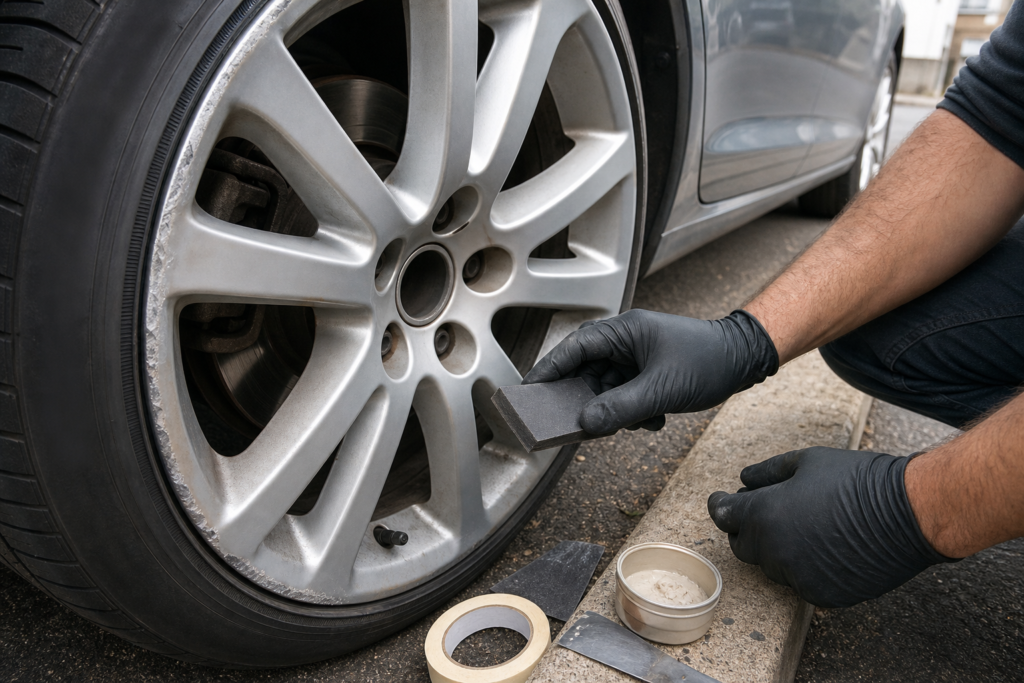
Curb Rash Damage Thresholds

Covers the depth, location, and bead-seat factors that separate cosmetic wheel scuffs from structural damage, plus when to repair, monitor, or replace alloy rims.
Read More

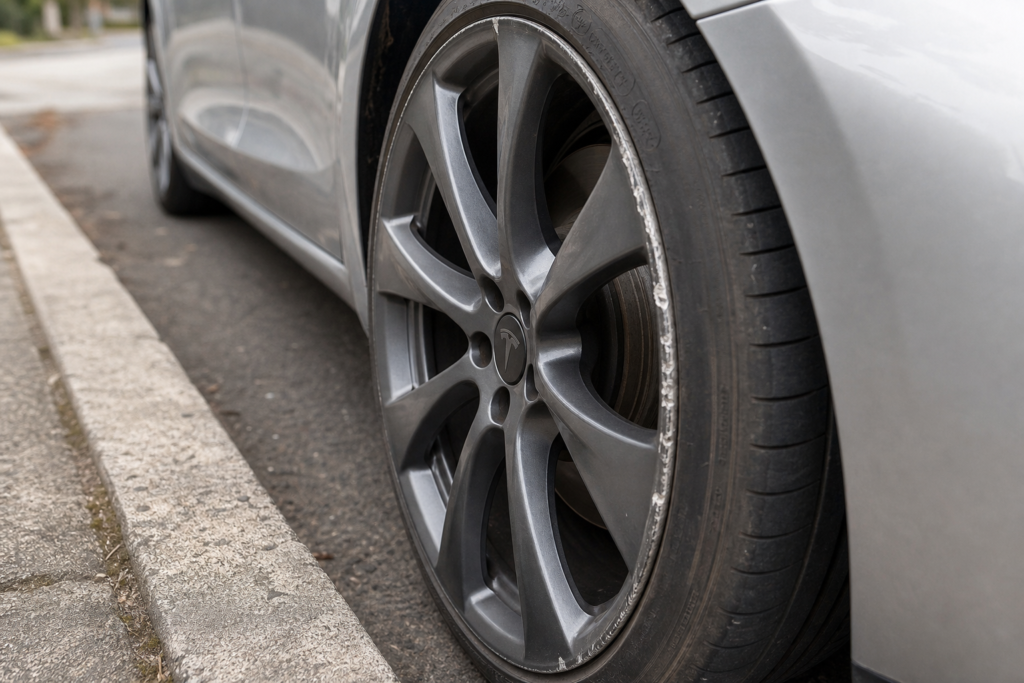
Curb Rash Repair Guide

Covers the full process for fixing scraped alloy wheels, from sanding to bare aluminum through filler, primer, and paint, plus how finish type affects DIY feasibility.
Read More

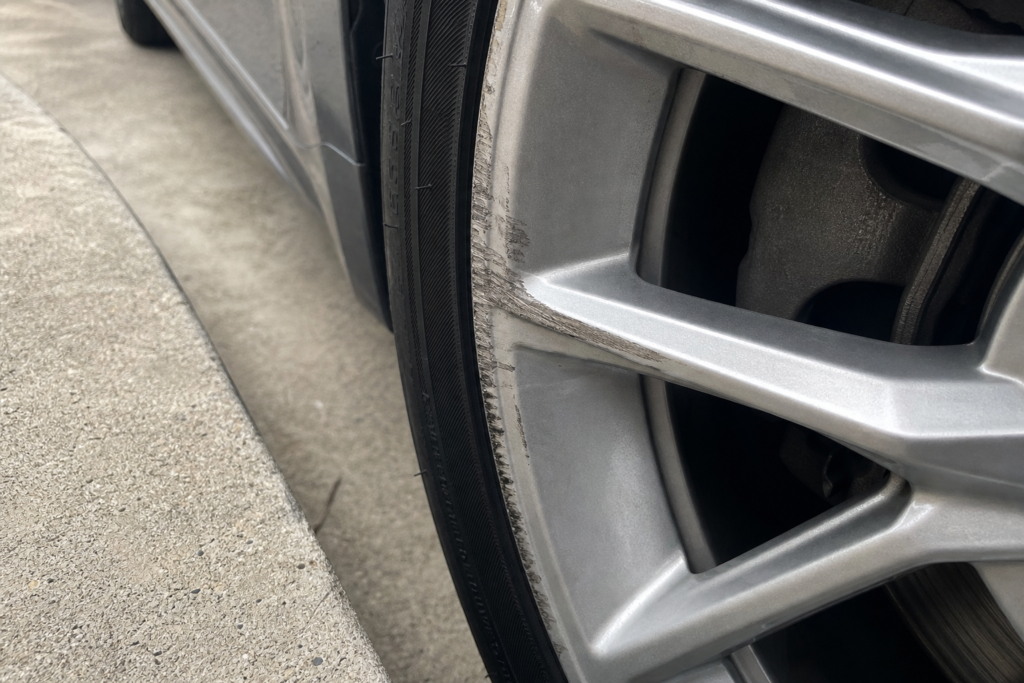
Curb Rash Reality Check

Alloy wheel scrapes expose bare aluminum to brake dust, salt, and moisture, leading to corrosion that spreads over time. Covers long-term damage, repair options, resale impact, and parking habits that prevent repeat contact.
Read More

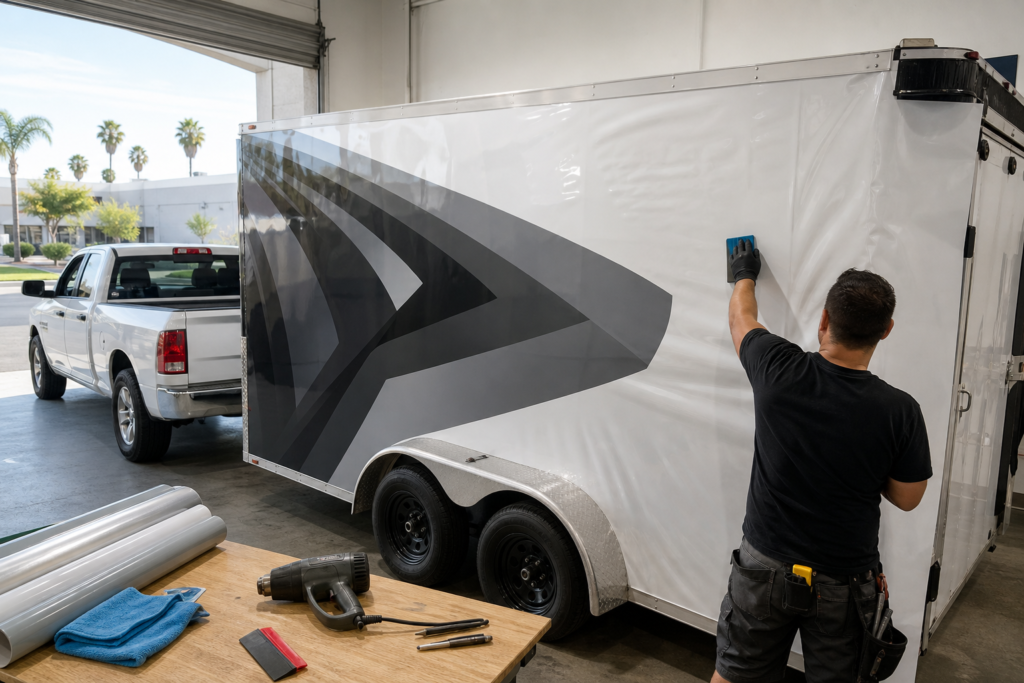
Trailer Wrap Pricing in OC

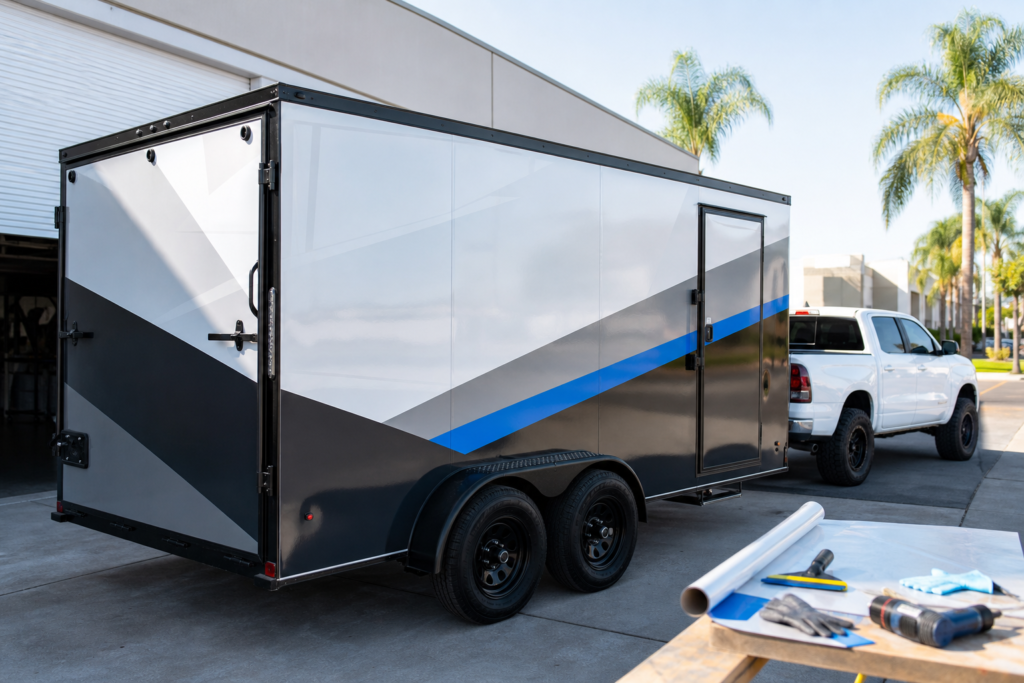
Covers real price ranges for wrapping cargo trailers in Orange County, including material choices for OC sun exposure, installation variables, and how to compare shop quotes.
Read More

Fixing Curb Rash

Covers curb rash severity levels, DIY kit versus professional refinish costs, finish-specific challenges for machined and chrome wheels, and why exposed aluminum corrodes fast.
Read More

Trailer Wrap Pricing in OC

Breaks down what goes into trailer wrap quotes across Orange County, from cast vs. calendered vinyl to coverage tiers, durability under local UV and heat, and cost-per-impression math.
Read More