Cosmetic Vs. Structural Damage
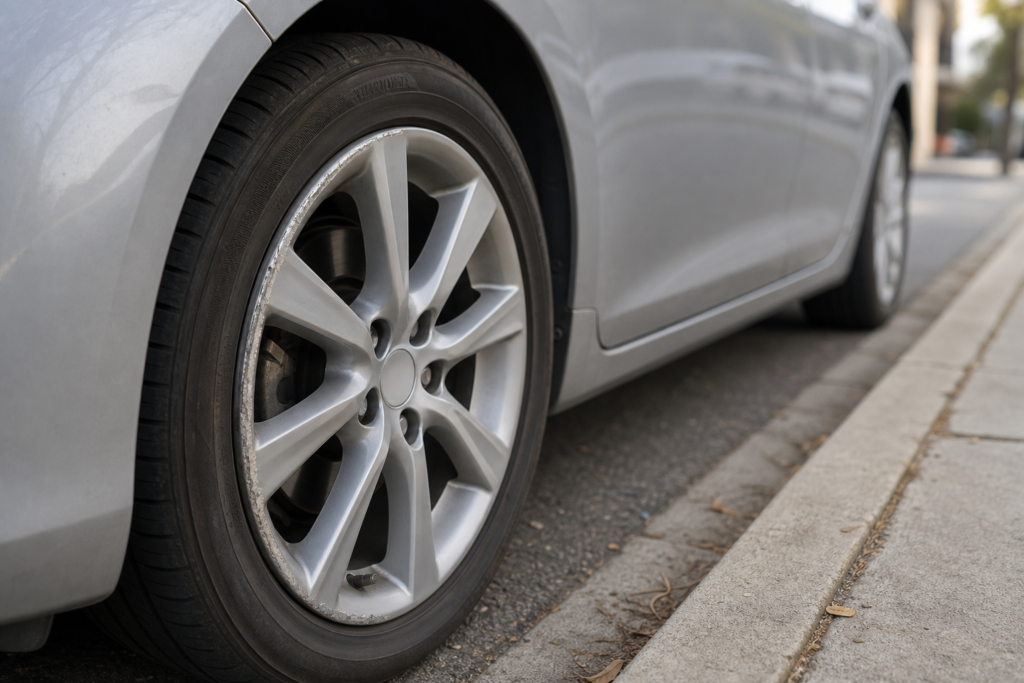
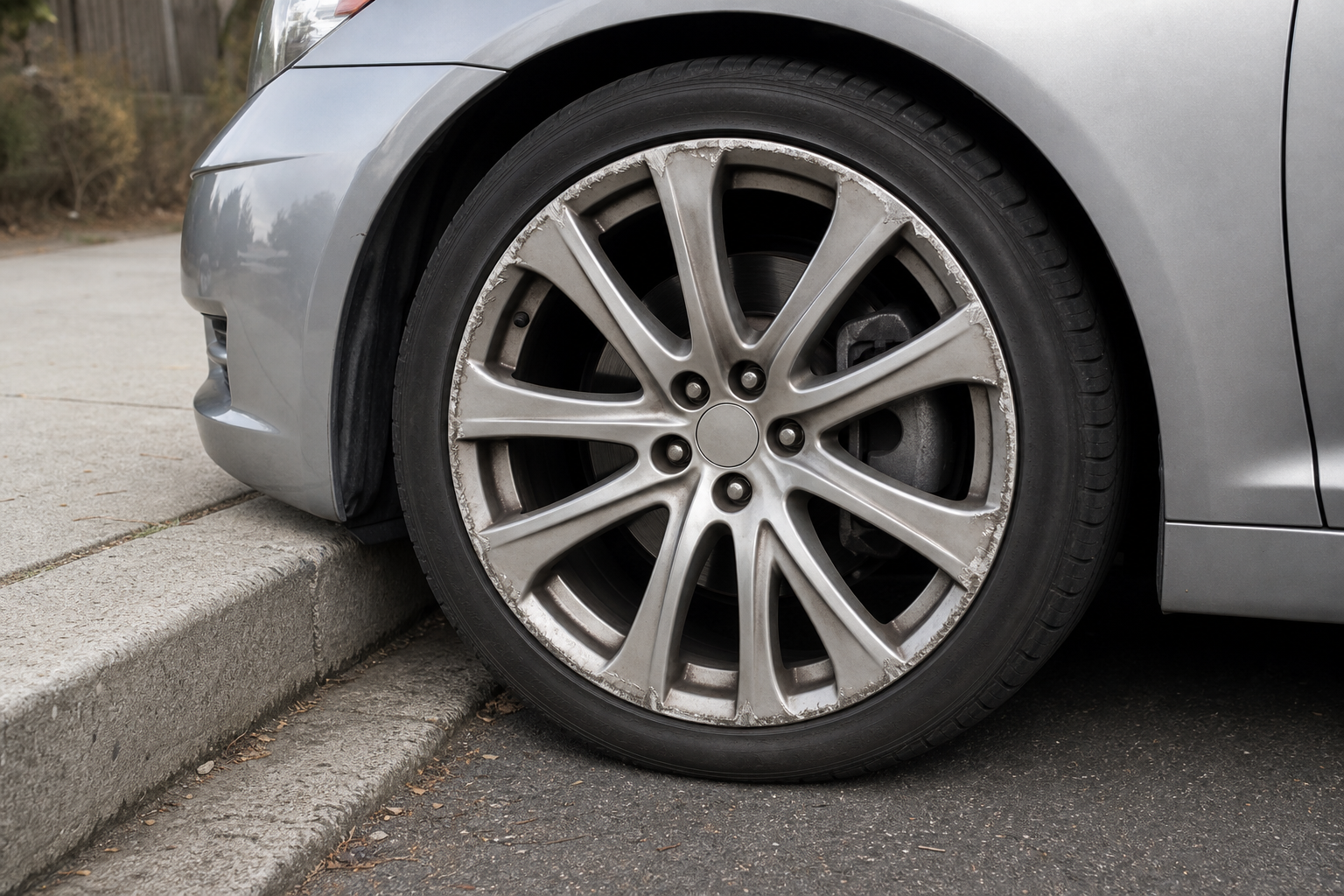
You’re parallel parking on a narrow street, misjudge the distance by an inch, and hear that sickening metallic scrape. You step out, crouch down, and find bare alloy exposed right along the wheel’s outer lip, maybe near the tire bead. Now the question is whether this is just ugly, or an actual safety problem. Figuring out how much curb rash is too much comes down to understanding what changed beneath the surface.
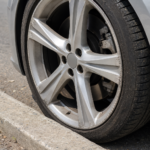
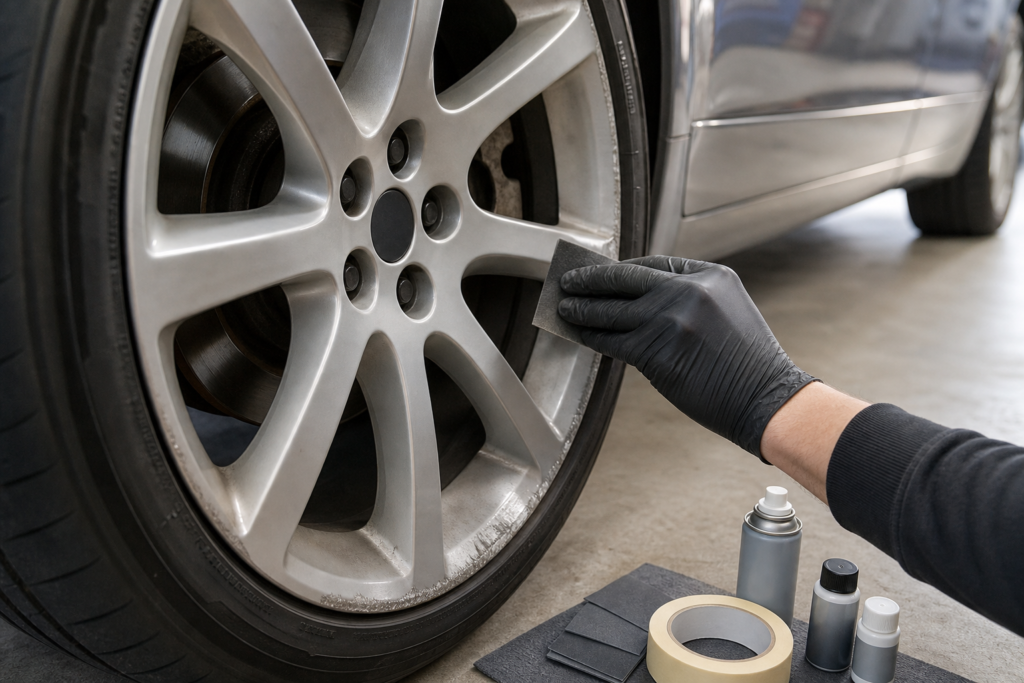
Most curb rash is cosmetic. Light scuffs along the outer lip, the kind that roughen the finish and expose a thin layer of raw metal, are among the most common forms of wheel damage. They look worse than they are. On a painted or clear-coated alloy wheel, a surface scratch might remove a few thousandths of an inch of material. On a chrome-clad wheel, it can flake the chrome layer and look dramatic without compromising the wheel’s ability to hold air or carry load.
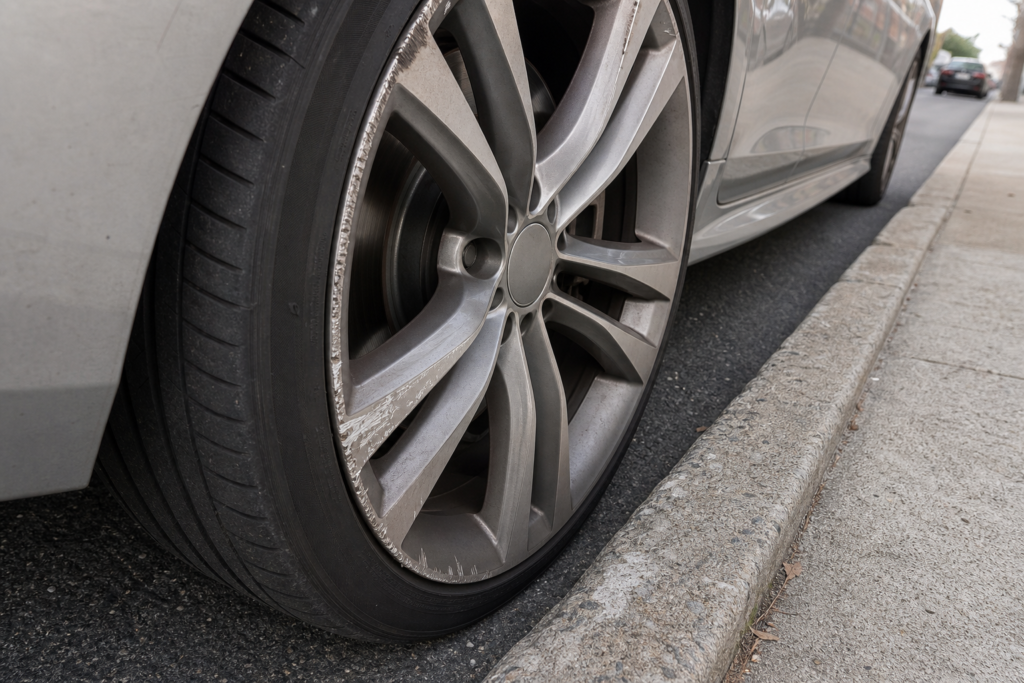
The real concern starts when damage crosses from surface scratches into structural territory. Deep gouges that remove meaningful material, visible cracks radiating from the impact zone, or a rim that’s visibly bent rather than just scraped are different. The threshold also shifts with wheel construction. A forged alloy wheel is denser and more impact-resistant than a standard cast alloy, so identical curb strikes can produce different outcomes. Cast wheels are more brittle and more prone to cracking, while forged wheels tend to bend before they break. Knowing what your wheel is made of helps you calibrate how seriously to take a given scrape.
Depth, Location, and Structural Risk
The curb rash structural damage risk isn’t about how it looks. It’s about how much metal was removed, whether the impact introduced cracks, and where on the wheel the damage sits.
Depth matters first. Run a fingernail across the damaged area. If it catches in a groove deep enough that you can feel a distinct ledge or channel, you’ve moved past a surface scuff. Gouges deep enough to see layered metal or that span a significant portion of the lip’s thickness are removing material the wheel needs for strength. On a typical alloy rim, the lip might only be a few millimeters thick in spots. Losing a meaningful fraction of that weakens the structure right where curb impacts are most likely to repeat.
Cracks change everything. Even a hairline crack visible under a flashlight means the metal’s integrity is compromised. Cracks propagate under load, especially the cyclical stress of highway driving. A cracked wheel doesn’t announce failure in advance.
Location is the other half of the equation. The bead seat, the flat shelf where the tire seals against the rim, is the most safety-critical surface on the wheel. Damage there can prevent a proper seal, causing slow air leaks or, in a hard-cornering scenario, a sudden bead unseating. Damage to the spokes affects load-bearing capacity. Gouges on the inner barrel are harder to spot but equally consequential. The outer lip, where most curb rash lands, is the least structurally critical area, but deep enough damage there still matters because the lip transitions directly into the bead seat.
A driveway-level assessment doesn’t require special tools. Clean the damaged area, use a bright flashlight at an angle to look for cracks, run your finger along every gouge to judge depth, and visually check whether the rim’s circular profile looks true or shows a flat spot or bend. If any of those checks raise concern, a tire shop with a balancing machine can confirm whether the wheel is bent.
Handling Clues, Leaks, and Corrosion
Minor vs severe curb rash sometimes reveals itself not in how the wheel looks, but in how the car behaves afterward.
A bent rim, even one that’s only slightly out of true, typically produces a vibration felt through the steering wheel at highway speeds, often noticeable between 55 and 70 mph. That vibration means the wheel is no longer rotating in a perfect circle, and it puts uneven stress on the tire, bearings, and suspension components. If you feel a new shimmy after a curb hit that you can’t balance out, the rim is likely bent.
Slow air leaks are another telltale. If a tire that held pressure fine before the scrape now loses a few PSI per week, the damage probably extends into the bead seat area. The seal between tire and rim depends on a smooth, uninterrupted surface. Even modest roughness or a shallow gouge there can let air creep past.
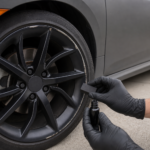
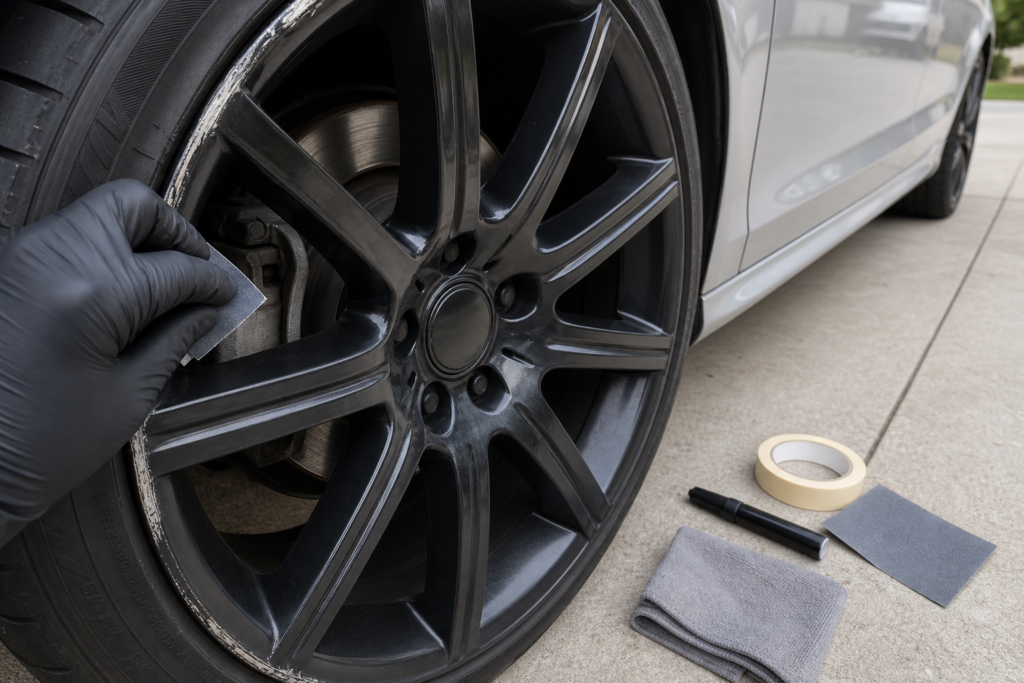
Then there’s the longer game, corrosion. Exposed bare alloy oxidizes. On aluminum wheels, this produces a rough, pitted surface over months of exposure to road salt, brake dust, and moisture. A moderate scrape that was structurally borderline when it happened can become a genuine curb rash wheel safety concern a year later, after corrosion has deepened the damage and weakened the surrounding metal. This is why even cosmetic curb rash is worth sealing with touch-up paint or clear coat, not for looks, but to stop the oxidation clock.
Repair Vs. Replacement Costs
The curb rash repair or replace wheel decision depends on the damage type, the wheel’s construction, and what the wheel is worth.
Cosmetic refinishing covers the majority of cases, sanding, filling minor gouges, repainting or re-machining the face, and clear-coating. For a standard painted alloy wheel, refinishing costs vary depending on the shop, wheel size, and finish type, but it’s generally one of the more affordable wheel repairs. A service like mobile alloy wheel repair in los angeles can handle light-to-moderate cosmetic damage on-site, saving the hassle of removing wheels and visiting a fixed shop. Diamond-cut or machine-faced wheels cost more because the lathe work has to match the factory finish. Chrome wheels often need full rechroming, which can push costs significantly higher.
Straightening addresses a bent rim. Hydraulic presses can bring a moderately bent alloy wheel back to round, and many shops do this routinely. It works best on forged wheels. Cast alloy is more likely to crack during the process. Straightening typically runs in the same general range as refinishing, sometimes a bit more.
Crack welding exists, but it has real limits. TIG welding an alloy wheel can close a crack, but it introduces a heat-affected zone that changes the metal’s properties around the repair. For a small crack on a non-critical area, some specialists will do it. For cracks near the bead seat, on spokes, or on wheels that see high-speed use, most reputable shops will decline the job, and for good reason.
Full replacement is the cleanest answer when damage is severe. OEM replacement wheels vary widely in cost depending on the vehicle. Aftermarket alternatives can cut that figure substantially. The calculus is straightforward. If a curb rash alloy wheel repair cost approaches or exceeds a significant portion of the price of a quality replacement wheel, replacing usually makes more sense, especially if the damage involves cracks or significant bending.
Trade-In, Sales, and Lease Impact
Curb rash can affect trade-in value in ways that range from negligible to surprisingly expensive, depending on who’s evaluating the car and how severe the damage is.
Dealers expect some cosmetic wear on used wheels. Light scuffs on one or two wheels rarely move the needle on a trade-in appraisal. They’re factored into reconditioning costs that the dealer already anticipates. But visibly gouged, cracked, or bent wheels give the appraiser a reason to deduct, and those deductions tend to exceed what a pre-sale repair would have cost.
Private buyers are less systematic but often more visually driven. A car with badly chewed wheels signals neglect, even if the mechanicals are perfect. Fixing cosmetic curb rash before a private sale, especially on a vehicle where the wheels are a visual focal point, often returns more than it costs.
Lease returns are the most formulaic. Lease-end inspectors typically follow published wear guidelines that define acceptable damage by size, often using a small dimensional threshold in any direction. Damage beyond that, or any crack, triggers a curb rash deduction in lease return charges that can add up quickly per wheel. If your lease return is approaching and you know the wheels won’t pass, getting a quote for refinishing beforehand almost always saves money compared to paying the leasing company’s marked-up damage fee.
A Practical Curb Rash Limit
The curb rash acceptable limit comes down to three questions. Is the damage deeper than a surface scratch, deep enough to catch a fingernail or remove a visible amount of metal? Is it located on or near the bead seat, on a spoke, or along the inner barrel? Are there any symptoms, vibration, air loss, or visible cracks?
If the answer to all three is no, you have cosmetic damage. Fix it if it bothers you, seal it to prevent corrosion, and move on.
If the answer to any one of those is yes, the wheel has crossed the line from cosmetic to structural. A single hairline crack, a gouge that extends into the bead seat, or a rim that vibrates at speed, any of these means the damage is too much to monitor and ignore. That’s the point where you’re choosing between professional repair, if the damage type and location support it, and replacement.
Surface-only curb rash is a cosmetic call. Deep gouges, cracks, bead-area damage, or a bent rim, that’s how much curb rash is too much.