Kansas has no statewide ban on sleeping in your car. Here's where you can legally park overnight, the city ordinances to watch and the DUI trap to avoid.
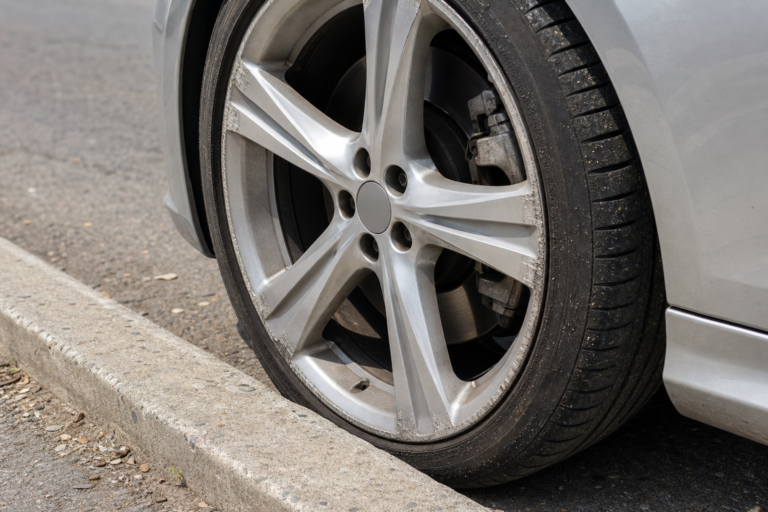
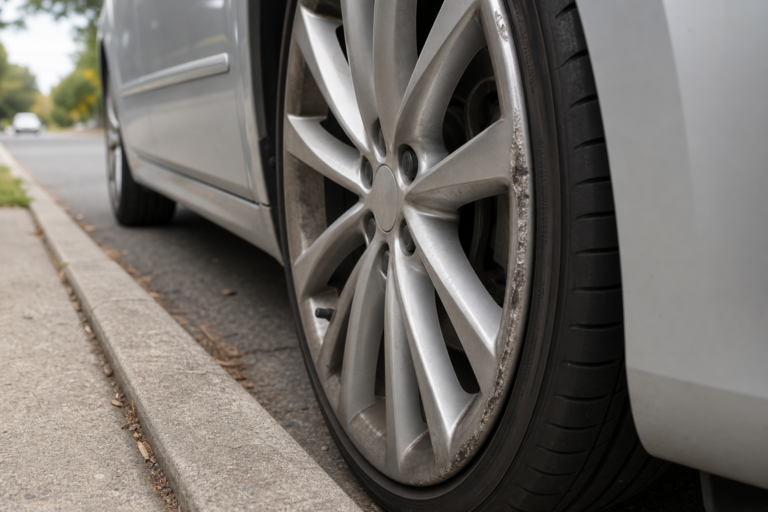
Covers how rim-on-concrete contact occurs, why low-profile tires and alloy wheels increase vulnerability, the most common scenarios, and parking habits that reduce damage.
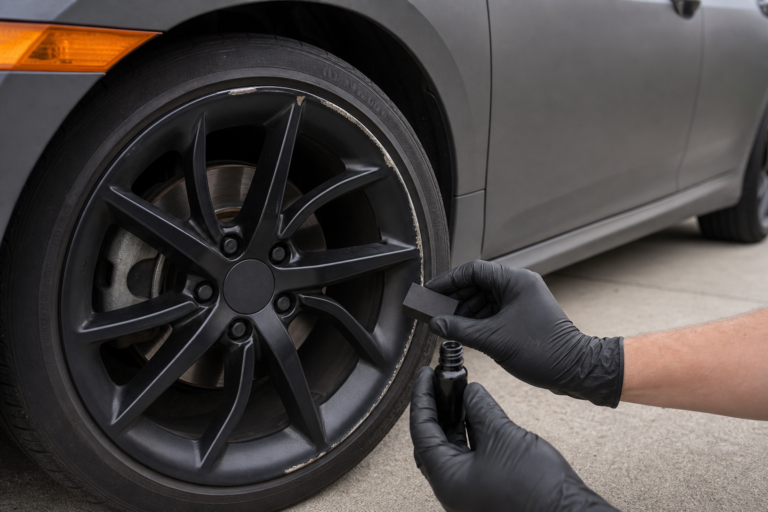
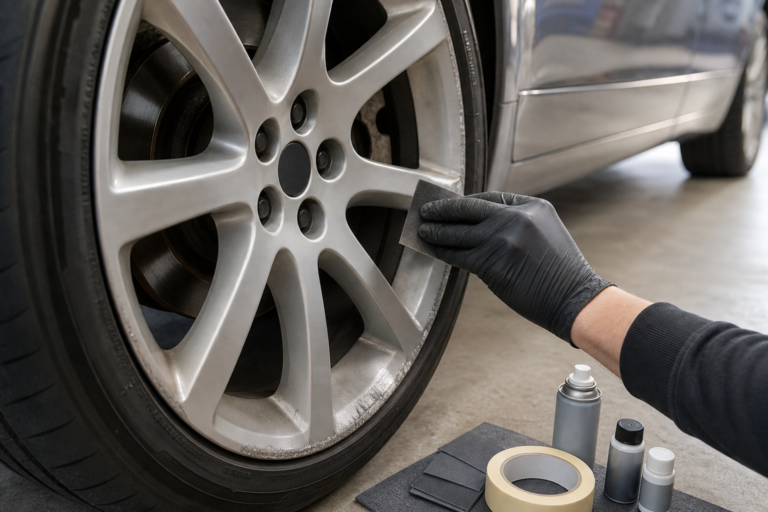
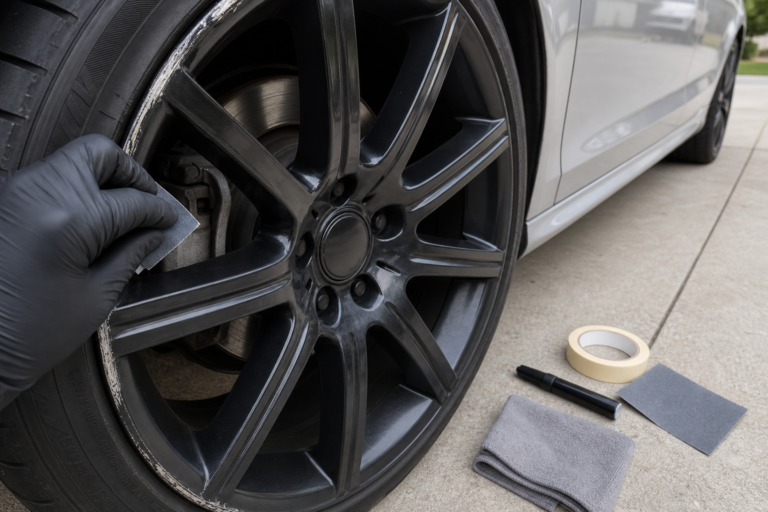
Covers damage assessment, grit progression for sanding, filler use on gouges, sheen matching for gloss, satin, and matte black wheels, and cure times to prevent peeling.
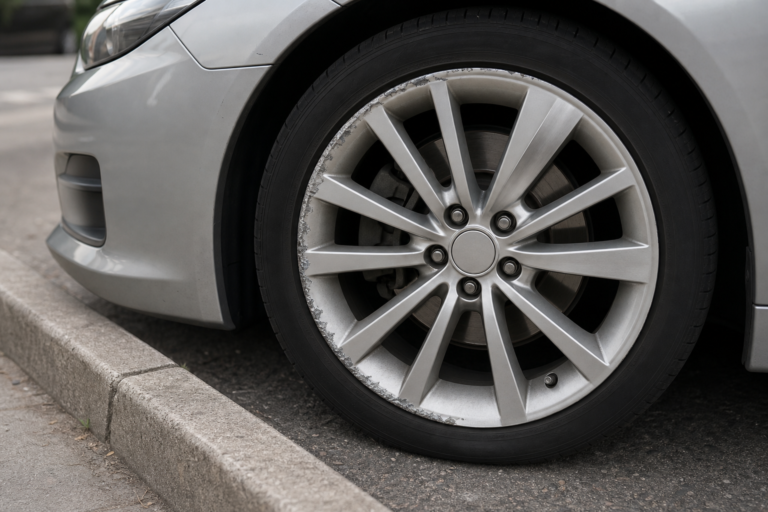
Covers the severity scale from clear-coat scuffs to cracked lips, DIY kit results versus professional refinishing, cost factors for machined and chrome wheels, and why untreated damage compounds.
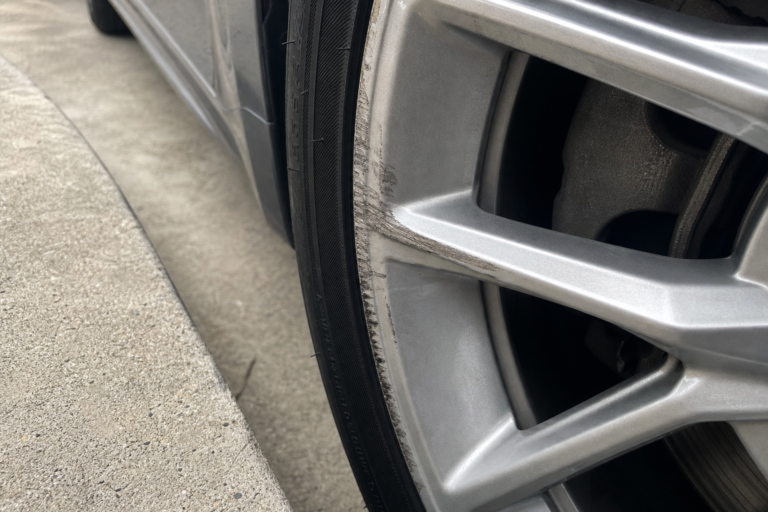
Covers how rim lips grind against concrete curbs under lateral load, why low-profile tires increase exposure, common scenarios like parallel parking, and how to assess severity.
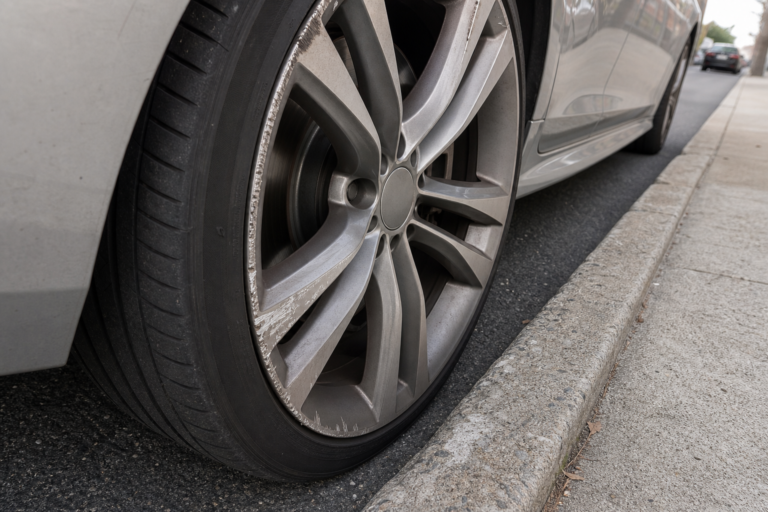
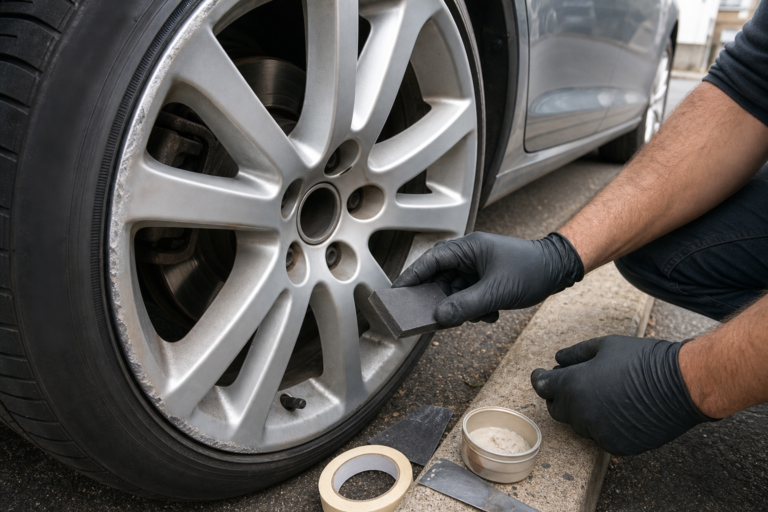
Covers the full alloy wheel refinish process from sanding and metal-reinforced filler to adhesion-promoting primer and clear coat, plus how to distinguish cosmetic damage from structural.
Covers damage assessment, grit progression for sanding, filler application for deep gouges, and sheen matching for gloss, satin, and matte black wheel finishes.
Covers the depth, location, and bead-seat factors that separate cosmetic wheel scuffs from structural damage, plus when to repair, monitor, or replace alloy rims.
Covers the full process for fixing scraped alloy wheels, from sanding to bare aluminum through filler, primer, and paint, plus how finish type affects DIY feasibility.
Covers curb rash severity levels, DIY kit versus professional refinish costs, finish-specific challenges for machined and chrome wheels, and why exposed aluminum corrodes fast.