The Quote That Jumped Overnight
You’re flying into Kahului tomorrow, the Road to Hana is on the itinerary, and the Jeep Wrangler you priced last week just doubled in cost. That’s not a glitch. It’s how Maui’s rental market works during peak demand. The goal is a confident booking, not a panicked one.
Picking the Right Vehicle
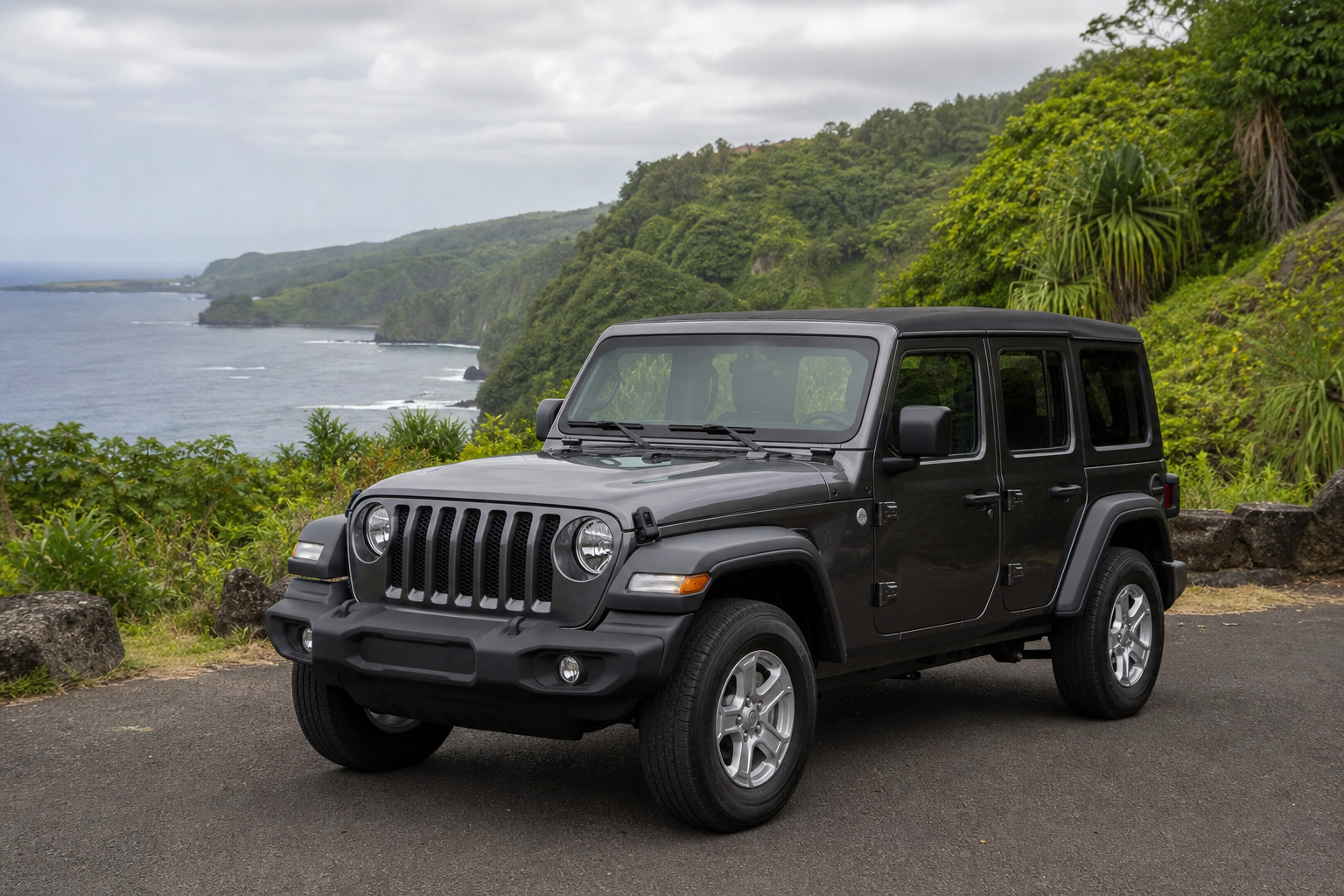
When most visitors say they want to rent a Jeep in Maui, they picture a Wrangler with the top down. Fair enough. But the rental market uses “Jeep” loosely. You might get quoted on a two-door Wrangler, a four-door Wrangler Unlimited, a Gladiator, or a generic midsize SUV that the booking site categorizes as “Jeep or similar.” These are meaningfully different vehicles for Maui driving.
A two-door soft-top Wrangler is the iconic choice, compact, open-air, and fine for beach-hopping around Kihei or Lahaina. A four-door hardtop gives more cargo space and better security if you’re leaving bags while hiking. For a Maui Jeep Wrangler rental specifically, confirm the trim and top type at booking, not at the counter.
Your itinerary should shape the vehicle. A day trip to Hana involves narrow roads with limited shoulders and dozens of one-lane bridges. Four-door models are wider and less nimble on those turns. Upcountry routes to higher elevations can mean cooler weather where a soft top loses its appeal. Beach-only visitors may not need four-wheel drive at all. Match the truck to the plan, not the Instagram photo.
Prices swing dramatically by season, with summer and holiday weeks commanding the highest premiums. Shoulder-season travelers often find the same Wrangler for a fraction of the peak rate. That variance is worth understanding before you decide whether a given quote is reasonable or inflated.
Comparing Vendors and Booking Channels
Three channels dominate the market, and each trades off something different. National brands at OGG (Kahului Airport) offer convenience: walk off the plane, grab a shuttle, pick up the keys. But airport concession fees get baked into the quote, and Jeep inventory at major counters is limited. If you’re hunting a cheap Jeep rental in Maui, the airport counter is rarely where you’ll find it.
Local operators work differently. They typically run smaller fleets, pick up and drop off near the airport or at hotels, and skip the concession surcharge. A good starting point for any Jeep rental Maui search is comparing a local shop’s quote against a national brand’s quote side by side. One comparison point worth checking is the trusted partner link on Frank’s Friendly Cars’ website, a local shop that regularly stocks Wranglers and can be evaluated alongside other vendors. Local shops often offer more transparent pricing, but availability is tighter, so booking early matters more.
Peer-to-peer platforms like Turo let private owners list vehicles directly. A Turo Jeep rental in Maui can undercut traditional vendors on sticker price, but the coverage structure is entirely different (more on that below), and cancellation terms vary by host. Read the fine print on mileage caps, cleaning fees, and delivery logistics before comparing a Turo quote to a traditional rental quote.
The only honest way to compare across channels is an apples-to-apples checklist: total cost including taxes and fees, mileage limits, deposit hold amounts, and what coverage is included in the base rate versus sold separately. A quote that looks cheapest before fees can land in the middle, or worse, once you add everything up. Run every vendor through the same framework.
Insurance and Coverage Strategy
Maui Jeep rental insurance is where most visitors either overpay or under-cover themselves, sometimes both at once. Start before the trip. Check whether your personal auto policy extends to rental vehicles in Hawaii. Some do; some exclude the state entirely. Call the number on your insurance card and ask specifically about Hawaii, about SUVs, and about liability limits. Then check your credit card’s collision damage waiver (CDW) terms. Many premium cards offer primary or secondary CDW, but some exclude trucks, vehicles with an open bed, or rentals longer than a set number of days. Wranglers occasionally fall into gray areas depending on the card issuer’s vehicle classification.
At the counter, you’ll typically be offered a loss damage waiver (LDW), supplemental liability insurance (SLI), and personal accident coverage. If your personal policy and credit card already provide equivalent protection, doubling up is wasted money. If they don’t, the rental add-ons are worth the daily cost, especially on an island where body-shop repairs are expensive and tow distances are long.
Peer-to-peer rentals deserve extra scrutiny. Turo’s protection plans are not traditional insurance policies; they’re contractual coverage with different claim processes and liability caps. If your personal auto policy doesn’t cover peer-to-peer rentals (many don’t), you may be relying entirely on the platform’s plan. Know exactly what you’re buying.
The real tradeoff isn’t “cheap versus expensive.” It’s “covered versus exposed.” Confirm your coverage stack in writing before you leave home.
Booking Logistics and Timing
Most national brands require renters to be at least 21, with underage surcharges common for drivers under 25. The Maui Jeep rental age requirement at local shops can differ, some set the minimum at 25 for Wranglers specifically due to liability risk. Confirm before booking.
Additional-driver fees add up quickly on longer trips. Some local operators include a second driver free; most airport brands charge per day. A valid U.S. or international driver’s license is standard, but requirements for international visitors vary by vendor, ask explicitly.
Deposit holds can range widely. Credit cards are almost always required (debit cards are refused or subject to larger holds by many vendors). Expect a hold that may tie up a meaningful portion of your available credit for the duration of the rental plus a processing window after return.
On timing: for peak-season travel, booking several months out is the practical move. For shoulder or off-season, four to six weeks often works. Either way, check back periodically. Maui Jeep rental prices fluctuate, and if rates drop after you’ve booked a refundable reservation, you can rebook at the lower rate and cancel the original. Treat your first reservation as a price ceiling, not a commitment. If you rent a Jeep in Hawaii during a holiday week without booking ahead, the remaining inventory will be slim and expensive.
Pickup Day and Contract Fine Print
A Jeep rental at Maui airport (OGG) means navigating the rental car facility, which can involve shuttle rides and lines that stretch during afternoon flight banks. Off-airport pickups from local shops skip that process but may require coordination on timing.
Before you drive off, read the contract’s exclusion clauses. Most rental agreements, local shops and national brands alike, prohibit driving on unpaved roads. This matters because a Maui Jeep rental for the Road to Hana is one of the most common use cases, and the route itself is paved. But the back side of Hana (past Kipahulu, heading toward Kaupo) is partially unpaved, and many contracts explicitly forbid it. If you damage the vehicle on a road the contract excludes, your coverage, rental, personal policy, and credit card CDW alike, may not apply.
Soft-top Wranglers also present a security consideration. Valuables left visible in a soft-top vehicle are accessible to anyone with a knife and thirty seconds. Plan your day so you’re not leaving gear unattended, or choose a hardtop if that’s not realistic.
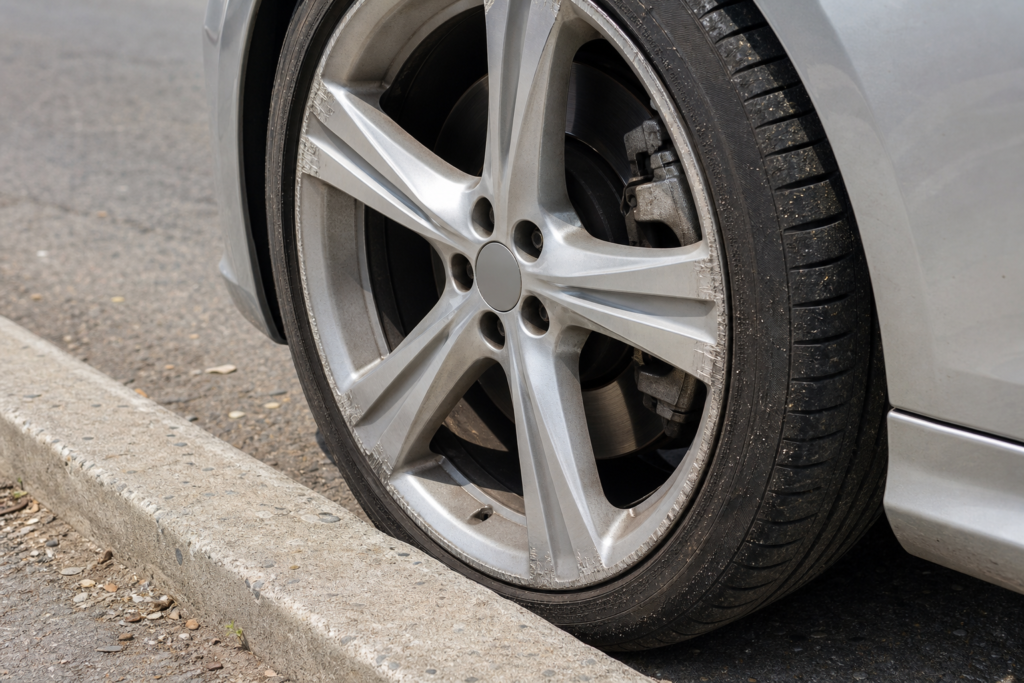
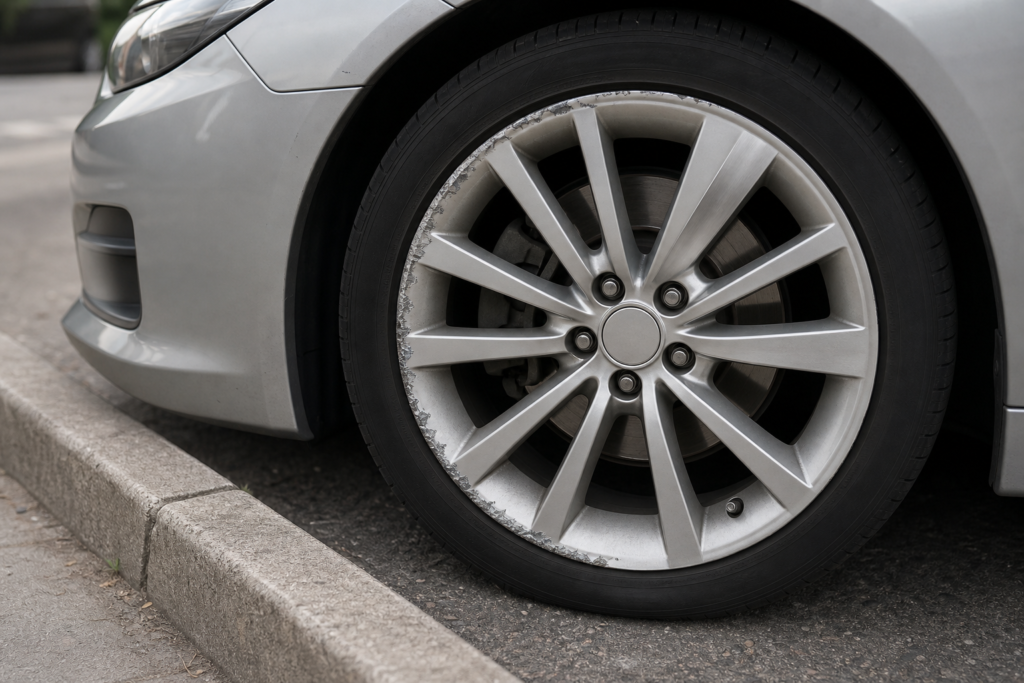
Walk around the vehicle at pickup and photograph existing damage before leaving the lot. Note every scratch, dent, and scuff on the condition report. This takes five minutes and can save you a disputed damage charge at return.