You land at OGG, Kahului Airport, grab your bags, and step into that warm Maui air. Then you check rental prices on your phone and realize the midsize sedan you looked at last Tuesday now costs significantly more. Welcome to car hire in Maui, Hawaii, where the same vehicle category can swing dramatically week to week, and the biggest decision is not which company has the best logo. It is what you actually need to drive, and whether you are about to overpay for a vehicle that works against you on these roads.
Needing a Car on Maui
If you’re spending a week at a single resort and never leaving the pool, you can probably skip a rental. Uber and Lyft exist on Maui but coverage is uneven, wait times spike in the evenings, and rides to remote beaches or Upcountry can get expensive fast. Taxis and airport shuttles handle point-to-point trips, but the moment you want to chase a sunset at a different beach, stop at a roadside shave ice stand, or drive to Hana, you’re stuck waiting or paying surge pricing.
The break-even math is simple. If you’re taking more than two or three rideshare trips a day across different parts of the island, a rental car almost certainly costs less and gives you control over timing, which is critical when you want to hit a trailhead at dawn or leave a beach before the parking lot turns into a bottleneck. Families with car seats tip the math even further toward renting, since hauling a seat in and out of rideshares is miserable.
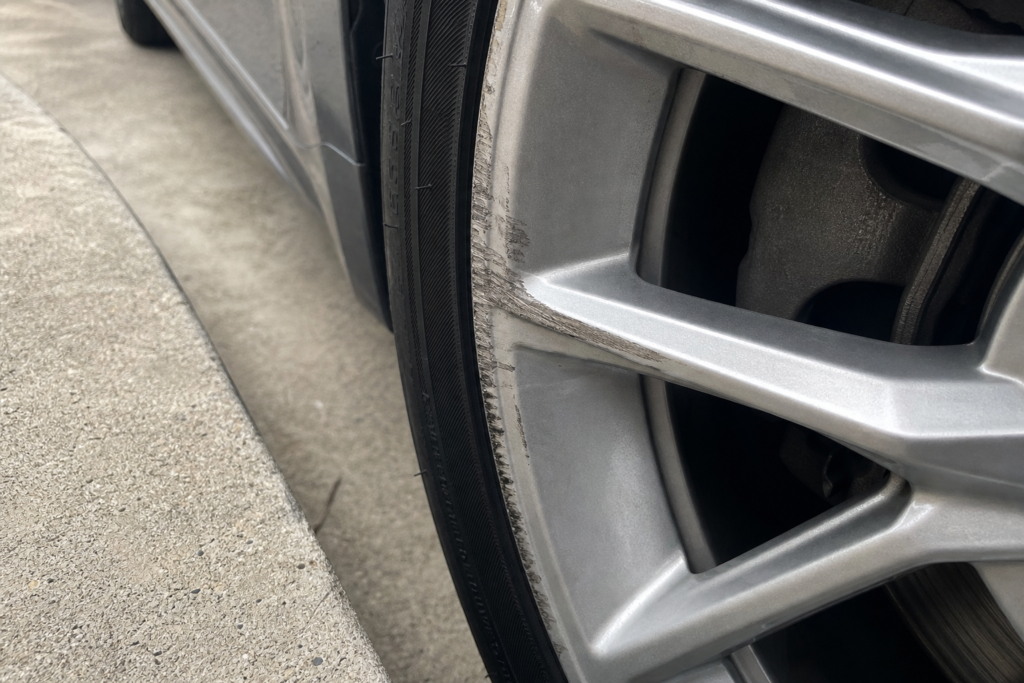
At Kahului Airport, the major rental counters sit in a consolidated facility with shuttle service from the terminal. Off-airport lots from smaller companies sometimes require a short ride. Budget extra time on both ends, twenty minutes for the shuttle and walk-around on pickup, and a similar buffer on return during peak morning flight windows. Do your walk-around photos before you leave the lot. Every scratch you don’t document is one you might pay for later.
Volatile Pricing and Booking Strategy
Maui’s rental fleet is finite. Cars arrive by barge, and companies cannot conjure inventory overnight. When peak season hits, when a big event lands, or when airline capacity to OGG jumps, demand spikes against a fixed supply. That’s why maui airport car hire prices are genuinely volatile, not just seasonal in a predictable way, but reactive to forces most travelers don’t track.
The best booking strategy is boring: reserve early, pick a flexible cancellation policy, and re-check rates every few weeks. If the price drops, rebook. Most major companies allow free cancellation on standard reservations. Lock in a rate as a floor, then keep shopping.
Understand what you’re actually paying. The headline daily rate is just the start. Airport concession fees, state taxes, facility charges, under-25 surcharges, extra driver fees, child seat rentals, and prepaid fuel options all stack. A rate that looks cheap online can land noticeably higher at checkout once all fees are added. Compare total cost, not base rate.
Weekly pricing often beats the per-day math, especially with local and budget outfits that set minimum rental periods. If you need a car for five days, pricing out a full week sometimes costs the same or less than five individual days. Conversely, if you only need wheels for two days mid-trip, check whether a minimum-day requirement means you’re paying for dead days you won’t use.
Matching Vehicle Type to Maui Roads
A compact or economy car handles most Maui itineraries. Couples without a lot of luggage benefit from easier parking in tight spots, think old Lahaina town or small beach lot pull-offs, and better fuel economy across an island where gas prices run higher than the mainland. A midsize sedan adds comfort for longer drives without sacrificing much maneuverability. Families with kids and gear should look at minivans or three-row vehicles. The extra cargo space matters more than you think after a beach day with strollers, coolers, and sand-covered everything.
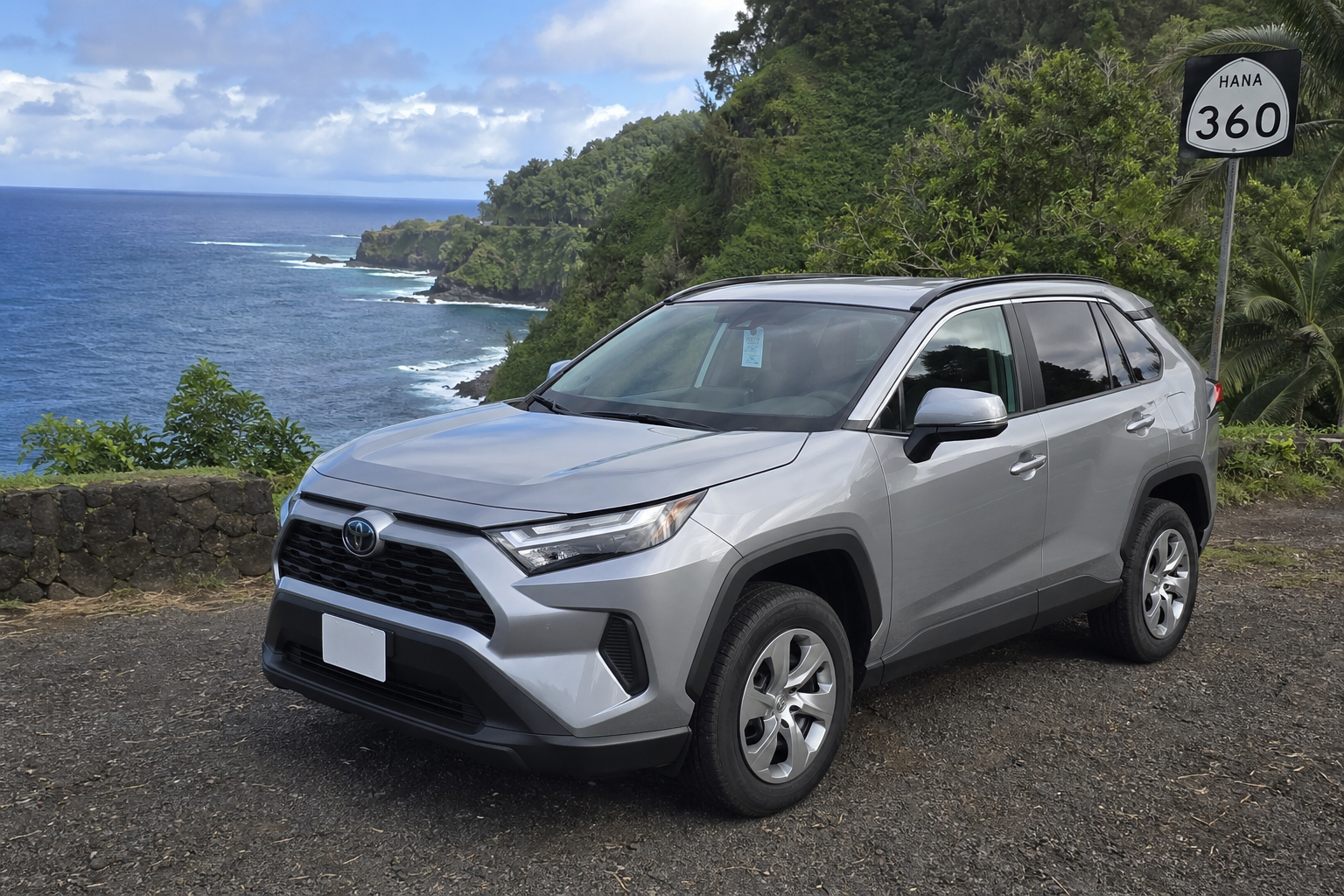
SUVs offer ground clearance, which sounds appealing but rarely matters on Maui’s paved roads. The Road to Hana is narrow and winding, but it’s paved. West Maui coastal roads are tight, but they’re paved. Unless you have a specific permitted off-road destination in mind, and most rental agreements explicitly prohibit unpaved roads anyway, a standard car handles every common route.
Now, the Jeep question. A Jeep rental in Maui, Hawaii is one of the most popular searches and one of the least practical choices for the average visitor. People want them for photos and the idea of adventure. The reality: Jeep Wranglers carry a higher daily rate, burn more fuel, and come with higher insurance deposits. Their high center of gravity makes them less stable on wet, winding roads, exactly the conditions you’ll meet on the Hana Highway or the coastal stretches of West Maui. Narrow shoulders and sharp curves are not where you want a top-heavy vehicle, especially if you’re unfamiliar with the roads. Convertible-top Wranglers add theft risk for anything left visible and leak in Maui’s frequent rain showers. Luggage space with the top configured for open driving is minimal.
If you still want a Jeep, understand what you’re signing up for: longer braking distances on wet pavement, a rougher ride, more wind noise, and the logistics of stowing the top panels. Check the tires before leaving the lot. Worn tread on a heavy, high-clearance vehicle in rain is a real concern, not a hypothetical one. But for most visitors, a convertible Mustang or Camaro scratches the open-air itch with a lower center of gravity, better road manners, and a powered top that goes up in seconds when the rain hits. Just account for limited trunk space and the same theft-visibility issue with the top down.
Local Outfits and Older Cars
Not every rental needs to be a current-model-year vehicle with a touchscreen and lane-keep assist. Several local Maui businesses rent older, simpler cars at rates that undercut the national chains significantly. Frank’s Friendly Cars is one example, a local outfit offering cheap car hire in Maui, Hawaii through older but maintained vehicles. Supporting a local business is a value choice worth considering, separate from price alone.
These rentals typically come with minimum-day requirements, three days, sometimes more, which makes them better suited for week-long stays than quick two-day add-ons. The trade-offs are straightforward: expect cosmetic wear, fewer tech features, more road noise, and possibly a less powerful A/C unit working harder in Maui heat. What matters is mechanical reliability, not aesthetics.
Before you drive off, check the basics yourself. Test the A/C at full blast for a few minutes. Look at tire tread depth. Press the brakes in the lot and feel for pulsing or softness. Run the wipers. Confirm all lights work. Ask about maintenance history if the staff is forthcoming. These aren’t luxury expectations, they’re baseline safety.
When evaluating any rental company, local or national, focus on total price transparency, cancellation flexibility, vehicle condition at pickup, after-hours return options, and how responsive they are when something goes sideways. Policies matter more than star ratings. A five-star review from someone who had no problems tells you less than a company’s written policy on what happens when you do.
Age, Insurance, and Paperwork
Most rental companies on Maui require drivers to be at least 21, with under-25 surcharges adding a noticeable daily fee. You’ll need a valid driver’s license, a credit card in the renter’s name, and, for international visitors, potentially an International Driving Permit depending on your home country’s license format. Check with your specific rental company before arrival rather than assuming.
Maui hawaii car hire insurance options typically include a Collision Damage Waiver or Loss Damage Waiver, supplemental liability, personal effects coverage, and roadside assistance. CDW/LDW reduces or eliminates your financial responsibility for damage to the rental vehicle. Supplemental liability covers damage to other people and property above the state minimum. Personal effects coverage handles theft of belongings from the car, relevant on an island where break-ins at beach parking lots aren’t unheard of.
Before buying anything at the counter, check whether your personal auto insurance or credit card already provides rental coverage. Many cards offer CDW-equivalent protection, but exclusions are common: certain countries, certain vehicle classes (Jeeps, convertibles, and large SUVs are frequently excluded), and rentals beyond a set number of days. Call your card issuer before your trip and get specifics in writing. Making assumptions at the counter is how people either double-pay for coverage or discover they have none.
Think about actual Maui risk factors: gravel kicked up on narrow roads can crack windshields, tight parking lots invite door dings, and sudden rain on the Hana Highway tests wipers and tires alike. Weigh the cost of a waiver against the deductible you’d face without one, and decide based on your own comfort with risk, not on what the counter agent upsells.
Maui Driving Tips and Final Pick
The Road to Hana is roughly 600 curves and over 50 one-lane bridges across about 52 miles. It’s beautiful, slow, and demanding. Rain can appear without warning on the windward side, reducing visibility and making the road slick. A lower, more stable car with good wipers and decent tires handles this better than a top-heavy SUV. Start early, drive slowly, pull over to let faster locals pass, and don’t attempt the backside loop unless you’ve confirmed your rental agreement allows it. Many don’t, and the road conditions justify the restriction.
West Maui’s coastal roads between Kapalua and Kahului include stretches that narrow to near-single-lane with steep drop-offs and no guardrails. A compact car feels less stressful here than anything wide-bodied. Parking at popular beach access points fills early. A smaller vehicle gives you more options in tight lots.
Fuel stations are concentrated around Kahului, Kihei, and Lahaina, with gaps in remote areas. Fill up before heading to Hana or Upcountry. EV charging infrastructure is growing but still limited. If you’re considering an electric rental, map charger locations against your itinerary before committing.
Your final decision framework comes down to a few honest questions. How many people and how much luggage? Where are you staying and what roads will you drive? Are you comfortable on narrow, winding roads in a larger vehicle? Is your budget flexible enough to absorb volatile pricing, or do you need the predictability of an older-car local rental with a flat weekly rate? Do you genuinely need a Jeep or convertible, or do you want one for the aesthetic?
Most visitors are best served by the least exciting answer: a reliable compact or midsize car, booked early with a flexible cancellation policy, inspected carefully at pickup, and driven calmly on roads that reward patience over horsepower. Choose boring reliability unless your itinerary truly demands more. On Maui, the drive itself is the attraction. The car just needs to get out of the way.