The Complete Guide to Ceramic Coating in Boston
Protecting Your Vehicle from New England’s Toughest Conditions
Last Updated: January 2026
If you have driven through a Boston winter, you know the routine. Your car looks pristine on Monday, and by Friday, it is covered in road salt, sand, and gray-brown slush from I-93. You spend time at the car wash, only to repeat the process again the following week. This guide explains why ceramic coating has become so popular in Greater Boston, what it actually does, what it does not do, and how to decide if it is worth it for your vehicle.
Introduction
Ceramic coating is often misunderstood. Some articles oversell it as magic protection, while others bury the topic in technical language. This guide takes a practical, Boston-specific approach so you can make an informed decision based on real conditions, real costs, and realistic expectations.
Table of Contents
- Part 1: The Boston Factor
- Part 2: What You Need to Know
- Part 3: Understanding the Costs
- Part 4: Maintenance and Aftercare
- Part 5: Making Your Decision
- The Bottom Line
Part 1: The Boston Factor; Why Massachusetts Roads Are Brutal on Paint
Road Salt and Magnesium Chloride
Ceramic coating helps by creating a chemically resistant barrier. Salt and brine sit on top of the coating instead of bonding to the paint, making them easier to rinse away and reducing long term damage.
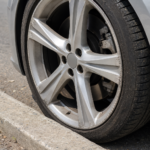
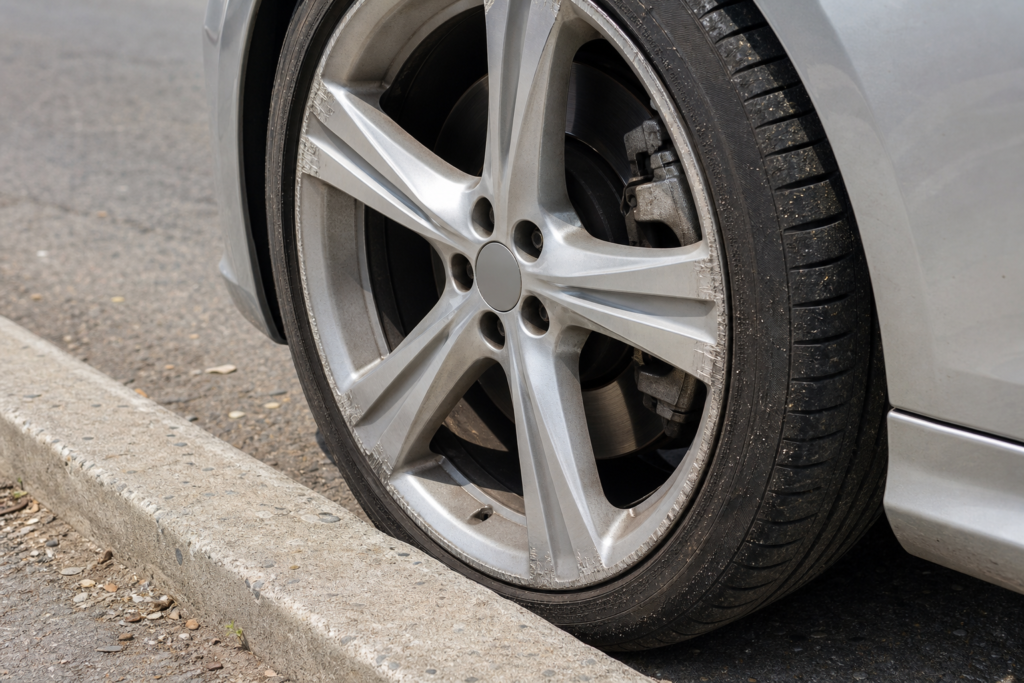
The Pothole Season Reality
- Ceramic coating protects against chemicals, UV damage, and staining
- PPF protects against physical impacts and chips
Coastal Oxidation and Salt Air
Boston’s coastal humidity exposes vehicles to salt laden air year round. Over time this causes oxidation, faded paint, and premature clear coat failure. Ceramic coatings provide UV resistance and act as a sacrificial layer that slows oxidation, especially for cars parked outdoors near the water.
Best Seasons for Application
Ideal application conditions include moderate temperatures, low humidity, and dry weather. In New England, late spring and early fall are the best windows. Winter applications require a climate controlled facility, and summer applications demand strict humidity control.
Part 2: What You Actually Need to Know
Ceramic Coating vs Wax
Traditional wax lasts weeks, synthetic sealants last months, and professional ceramic coatings last years. When you compare costs over time, ceramic coating often equals or beats repeated waxing while offering far better protection against salt and chemicals.
The 9H Hardness Myth
The 9H rating comes from a pencil hardness test, not from the Mohs scale. It does not mean your car is scratch-proof. It does indicate resistance to micro-marring from washing and light contact. Claims of 10H or 12H are marketing red flags.
Why Hydrophobic Properties Matter
Hydrophobic surfaces repel water, helping salt, dirt, and grime rinse away more easily. This makes washing faster, reduces water spotting, and keeps the car cleaner between washes, especially after winter driving.
The Permanent Wax Explanation
Ceramic coating is often called permanent wax, but it is not truly permanent. It chemically bonds to the clear coat and lasts far longer than wax, but it still degrades over time and requires maintenance.
Part 3: Understanding the Costs
Why Professional Ceramic Coating Costs More
The coating product itself accounts for only a small portion of the total cost. Most of what you pay for is paint correction, preparation, skilled labor, equipment, and a controlled environment. Paint correction is essential because the coating locks in the paint’s condition.
Package Levels Explained
- 2-year coatings for leases or short-term ownership
- 5 year coatings are the best value for most drivers
- 7-year or lifetime coatings for long-term ownership and premium vehicles
Why Tesla Owners Choose Ceramic Coating
Tesla paint is thinner and softer than that of many traditional manufacturers. Ceramic coating helps preserve limited clear coat thickness and reduce chemical damage, especially when applied early in the vehicle’s life.
Part 4: Maintenance and Aftercare
Car Washes to Avoid
Avoid all automatic touch-and-brush washes. These systems introduce scratches and will damage your coating. Touchless washes are safer but not perfect.
The First 24 to 48 Hours
After application, the coating must cure. Keep the car dry, avoid touching the paint, and store it indoors if possible. Full hardness develops over the first month.
Winter Washing Strategies
During winter, wash every 1 to 2 weeks, if possible. Use heated touchless washes, rinseless wash products, or waterless washes to avoid freezing issues while removing salt.
Ceramic Boosters
Booster products replenish hydrophobic properties as coatings age. Applying a pure SiO2 booster every three to six months helps extend performance, especially during Boston winters.
Part 5: Making Your Decision
Questions to Ask a Detailer
- Is paint correction included
- What coating brand is used
- Can I see the facility
- What are the aftercare requirements
- How long will the vehicle stay
DIY vs Professional
DIY coatings offer shorter protection and no correction. Professional services provide long-term durability, proper prep, and warranty support. Harsh New England conditions amplify the differences.
The Bottom Line
Ceramic coating is worth it for many Boston drivers who plan to keep their vehicles for several years and want strong protection from salt, UV exposure, and chemical damage. It is less necessary for short-term ownership or vehicles rarely driven in winter. For maximum protection, combine ceramic coating with PPF on high-impact areas.