Kansas does not have a statewide statute that says "you may not sleep in a motor vehicle." If you are legally parked and not impaired, closing your eyes in the driver's seat is not, by itself, an offense.
When you ask "is it illegal to sleep in your car in Kansas?", these are the restrictions to check:
Kansas maintains rest areas along its interstates specifically so drowsy drivers have somewhere to stop. Read the signage on the way in — some stops post a maximum stay, and the expectation everywhere is that you are resting, not camping. Keep the tent, the grill and the folding chairs packed.
The Turnpike's service areas are built around travelers stopping: fuel, food, restrooms, lit parking. They can be an overnight option, subject to posted restrictions. Park in the car area rather than crowding the truck slots — drivers on federally mandated rest breaks genuinely need those spaces.
Truck stops, retail lots, casinos and campgrounds are all private land. You need the owner's permission as well as compliance with local rules. Some chains welcome overnight parking as a matter of policy, some ban it, and plenty leave it to the individual store manager. Going inside and asking can clarify whether overnight parking is allowed.
For a specific location, "is it illegal to sleep in your car in Kansas?" also requires checking municipal rules. A residential street with a posted overnight parking restriction, a downtown lot that closes, or an ordinance against camping in a public park can make an otherwise uneventful stop a violation.
The patterns to watch for:
If you plan to park in town rather than at a highway stop, check that city's website or call the non-emergency police line about applicable parking rules.
Kansas impaired-driving law reaches beyond a car that is actually moving. Prosecutors can build a case around operating or attempting to operate a vehicle, and facts like sitting in the driver's seat, keys in the ignition, engine running or a warm hood can all be used as evidence that you were doing exactly that. You do not have to be caught mid-drive to end up charged.
If you have been drinking and the car is your only option, stack the facts in your favor:
None of that is a guarantee, and nothing here is legal advice. A rideshare, a friend or a motel is a safer alternative to trying to sleep it off behind the wheel.
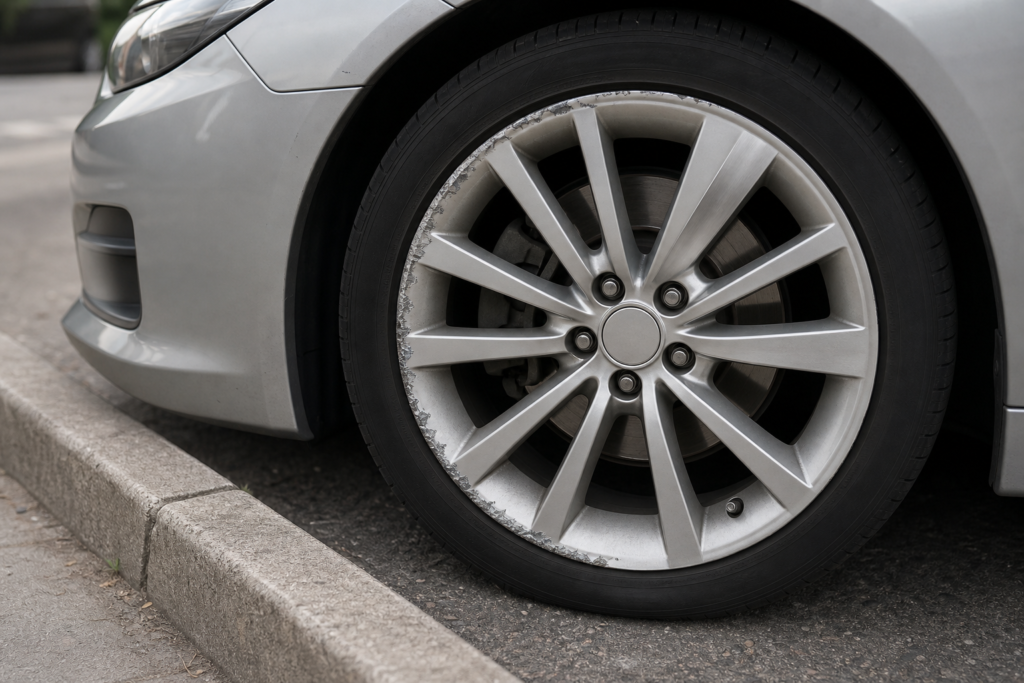
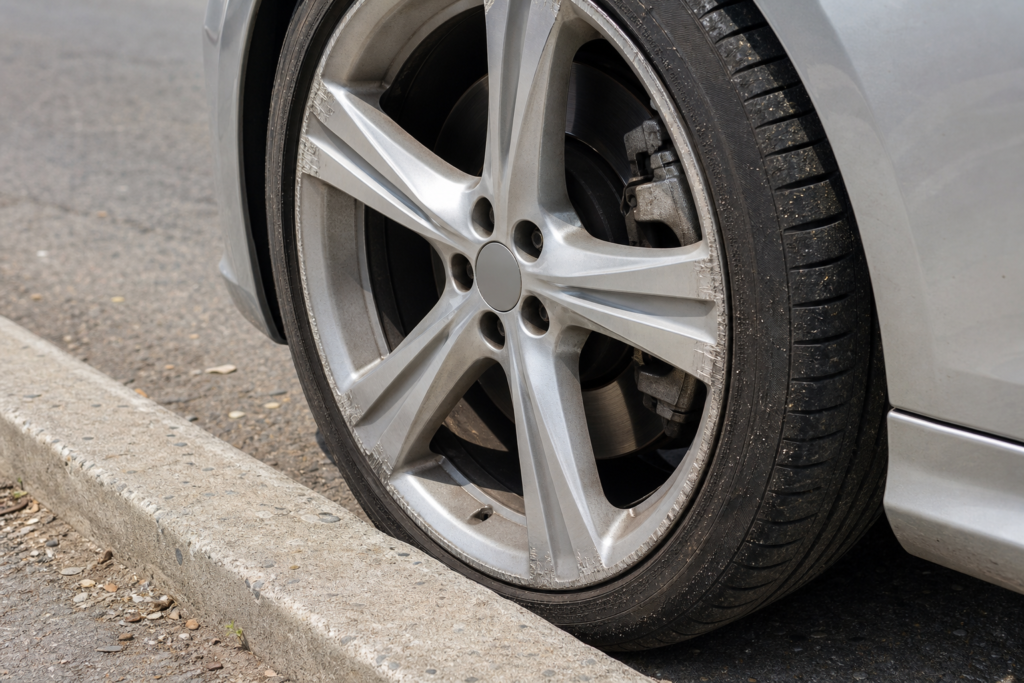
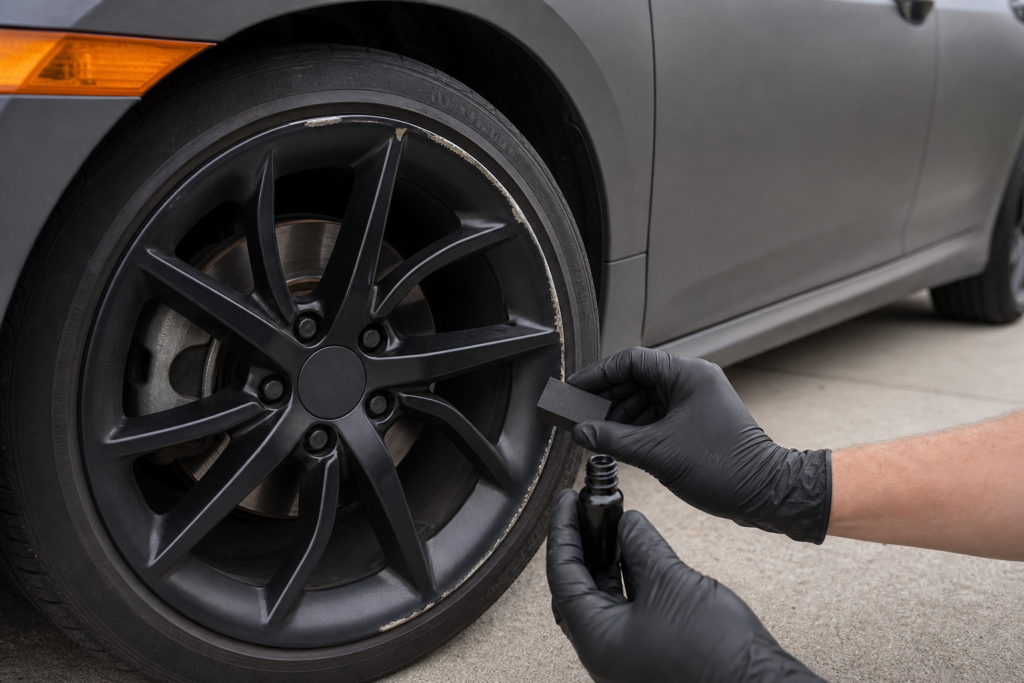
Overnight stops can involve low-speed maneuvering into tight spaces against high concrete curbs, usually in the dark and when you are tired. That is exactly how nice wheels pick up curb rash. If you scrape a lip on a rest-stop island, it may need a cosmetic repair rather than a new wheel — take a look at all the mobile wheel repair services offered before you start pricing replacements. Fix it early, before road salt finds the bare metal.
Summer nights can stay humid and warm long after sunset; winter brings wind off open plains with nothing to slow it down. Check the overnight forecast, not just the daytime high.
The non-negotiable rule: do not sleep with the engine running. Idling for heat or A/C risks carbon monoxide entering the cabin, especially if you are parked in snow that can block the exhaust, or nose-in next to another idling vehicle. Carbon monoxide is odorless and can incapacitate you before you notice anything wrong.
Do this instead:
Storm season is its own consideration. Kansas gets serious severe weather, and a car is a poor place to ride out hail or high wind. If watches are posted, sleep somewhere with a solid roof over it. Winter holiday driving adds ice and closed highways to the mix, so build in slack and stop early.
An officer checking on an occupied car may be doing a welfare check. How you handle the initial conversation sets the tone.
Keep your license, registration and insurance somewhere you can reach without digging through bags. Alcohol, an ignored posted restriction, or a private lot where the owner has complained can complicate the encounter.
Kansas maintains rest areas along its interstates so drowsy drivers have somewhere to stop, so it can work. Read the signage on the way in, because some stops post a maximum stay. The expectation everywhere is that you are resting, not camping, so keep tents, grills and folding chairs packed away.
The Turnpike's service areas are built around travelers stopping, with fuel, food, restrooms and lit parking. They can be an overnight option, subject to posted restrictions. Park in the car area rather than crowding the truck slots, because drivers on federally mandated rest breaks genuinely need those spaces for their required time off.
Kansas impaired-driving law reaches beyond a car that is actually moving. Prosecutors can build a case around operating or attempting to operate a vehicle, and facts like sitting in the driver's seat, keys in the ignition, engine running or a warm hood can be used as evidence. You do not have to be caught mid-drive.
Get out of the driver's seat entirely, whether that is the back or passenger seat. Turn the engine off and put the keys out of reach in the glovebox, trunk or your bag. Park legally and stay put, and avoid shoulders or highway ramps. A rideshare, a friend or a motel is safer.
Truck stops, retail lots, casinos and campgrounds are all private land, so you need the owner's permission plus compliance with local rules. Some chains welcome overnight parking, some ban it, and plenty leave it to the individual store manager. Going inside and asking can clarify whether overnight parking is allowed there.
No. Do not sleep with the engine running. Idling for heat or air conditioning risks carbon monoxide entering the cabin, especially if snow blocks the exhaust or you are nose-in next to another idling vehicle. Carbon monoxide is odorless and can incapacitate you before you notice anything wrong. Use insulation, a battery fan and ventilation instead.
The officer may be doing a welfare check. Turn on the interior light, keep your hands visible and lower the window rather than opening the door. Explain plainly that you got tired driving and pulled in to rest. If asked to move, ask which restriction applies and where you can legally park instead.


Kansas has no statewide ban on sleeping in your car. Here’s where you can legally park overnight, the city ordinances to watch and the DUI trap to avoid.

Covers how rim-on-concrete contact occurs, why low-profile tires and alloy wheels increase vulnerability, the most common scenarios, and parking habits that reduce damage.

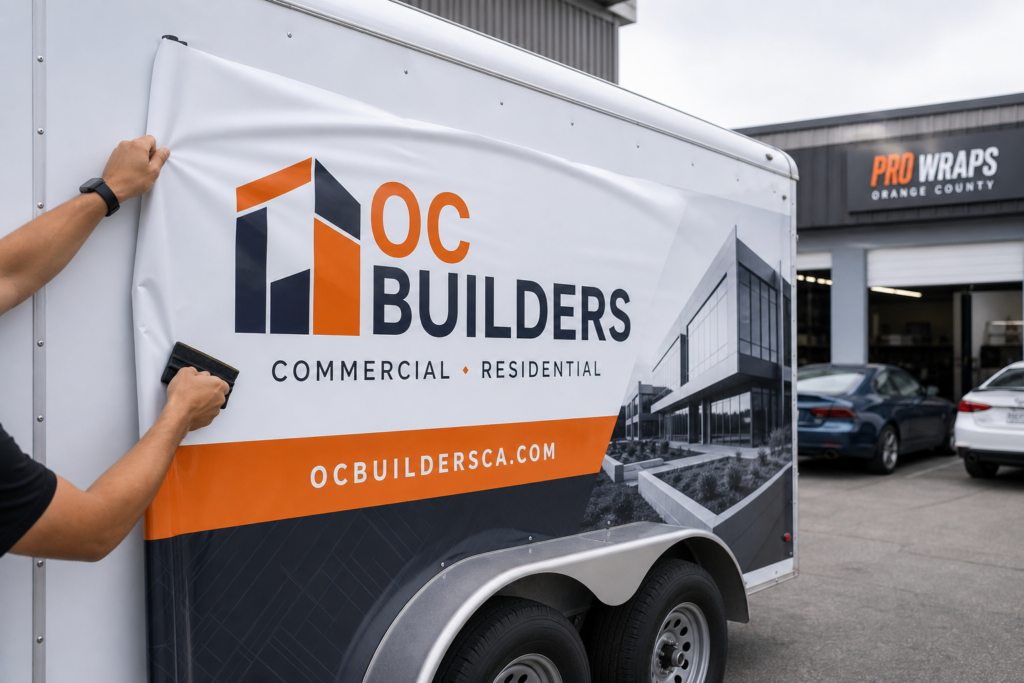
Breaks down the variables behind wrapping a cargo trailer in Orange County, from film grade and coverage level to UV exposure, surface prep, and long-term ad value.

Covers damage assessment, grit progression for sanding, filler use on gouges, sheen matching for gloss, satin, and matte black wheels, and cure times to prevent peeling.

This post explains why no blog content was produced, outlines the six validation rules checked, and details what a completed content strategy requires to write a real article.

Covers the severity scale from clear-coat scuffs to cracked lips, DIY kit results versus professional refinishing, cost factors for machined and chrome wheels, and why untreated damage compounds.