That First Scrape
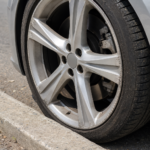
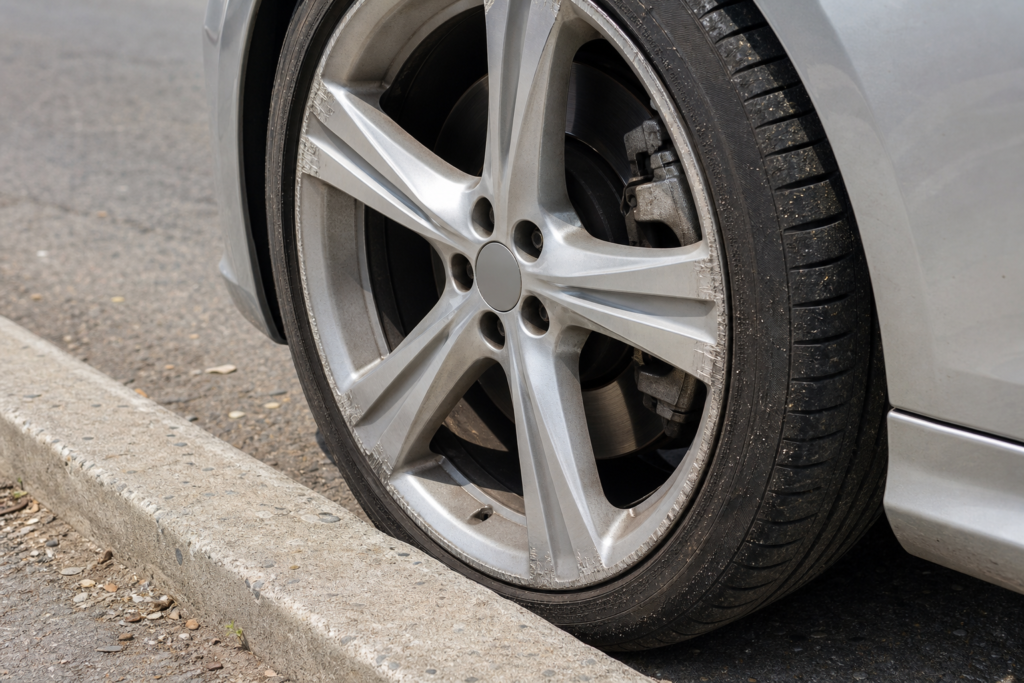
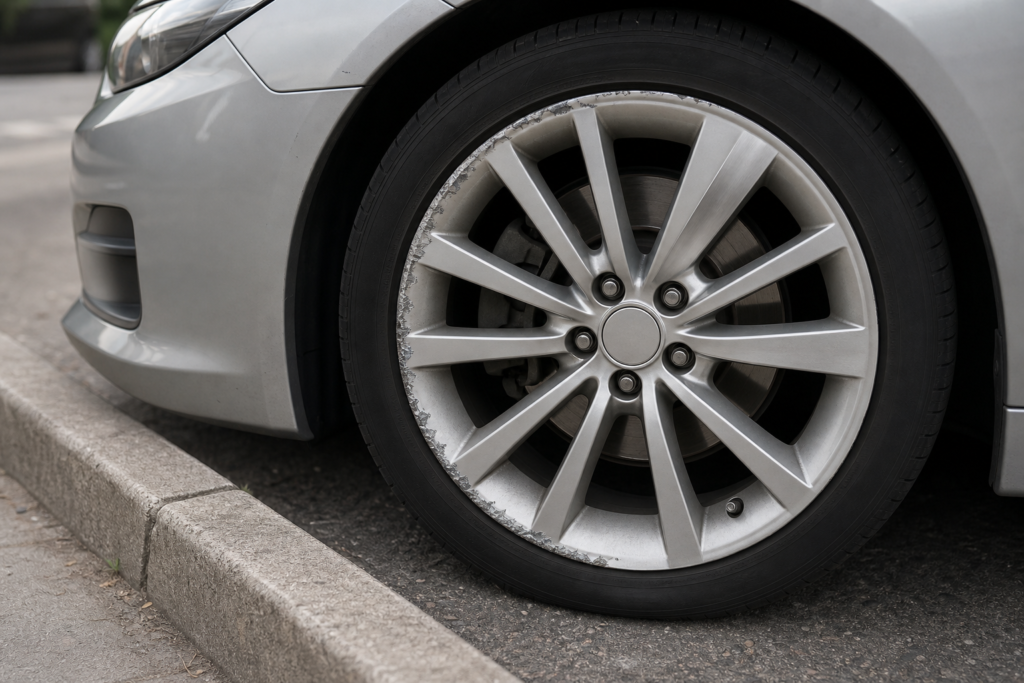
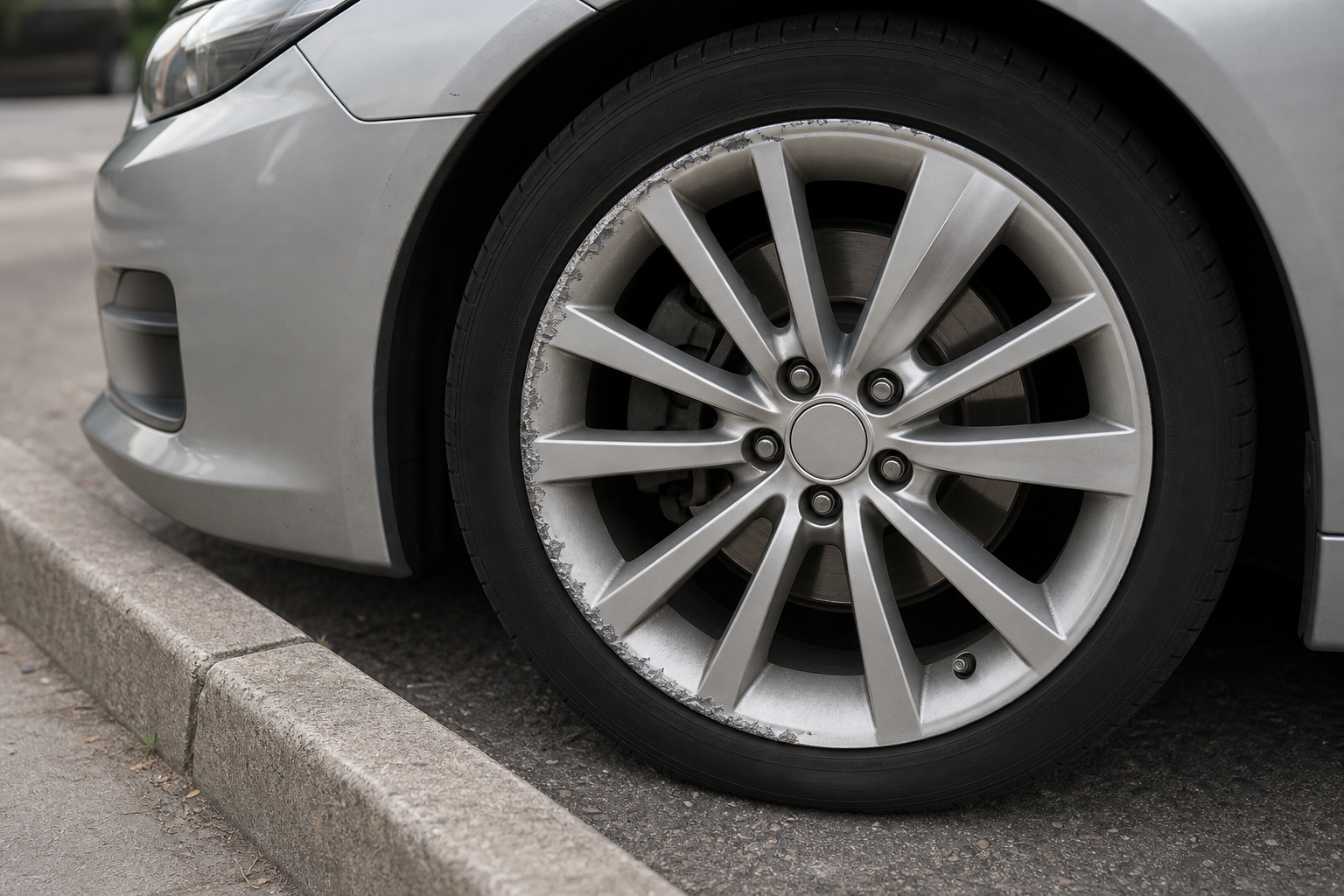
You pull away from a tight parallel spot, and the sound hits before the sight does, a low, gritty grind of aluminum against concrete. One glance down confirms the damage: a rough silver scar running along the wheel lip where factory paint used to be. Now the question isn’t whether it happened. It’s how much curb rash can be fixed and whether what you’re looking at falls on the easy side or the expensive side.
Understanding the answer starts with knowing what curb rash actually damages. A light scuff might only mar the clear coat, leaving a hazy streak that catches light but hasn’t broken through to bare metal. A harder hit removes paint and exposes the aluminum underneath. Go deeper, and you’re into gouged metal, material physically displaced or missing from the wheel lip. At the extreme end, the rim edge is chunked, bent, or cracked near the bead seat where the tire seals against the wheel.
That progression matters because it defines what “fixed” means. A cosmetic blend can make a scuff nearly invisible. A gouge can be filled, sanded, and refinished to look close to original. But once the damage involves missing chunks, a bent lip, or cracks anywhere near the bead seat, you’ve crossed from cosmetic territory into structural concern. That’s when curb rash is too deep to fix with any filler or paint, and the conversation shifts from repair cost to replacement cost. A cracked wheel that leaks air or a bent lip that won’t hold a tire bead isn’t a refinishing job. It’s a safety issue.
Touch-Up vs. Full Refinish
The gap between minor vs severe curb rash repair comes down to process. A light scuff on a painted wheel can be wet-sanded, primed, color-matched, and clear-coated in a localized area, a blend job. A deeper gouge requires aluminum filler to rebuild the profile before any paint goes on. And a full refinish means stripping the entire wheel face, repairing all damage, and recoating from scratch so the finish is uniform.
Wheel design changes the difficulty. A simple five-spoke wheel with flat faces is straightforward to sand and repaint. A wheel with thin machined lines on the face, the kind that look like fine grooves cut on a lathe, is a different story. Those machined faces can’t be replicated with spray paint. Restoring them requires a CNC lathe pass, which not every shop offers and which costs accordingly. Powder-coated wheels need the entire wheel stripped and re-coated for a proper match, because you can’t spot-repair powder coat the way you can wet paint.
Chrome gets its own category entirely. Fixing curb rash on chrome wheels is difficult because chrome is a plated layer, not a painted one. You can’t sand and blend chrome. Scratches through the plating expose the metal underneath and start corroding quickly. Matching a chrome finish typically means re-plating the entire wheel or replacing it, both of which cost more than refinishing a painted alloy.
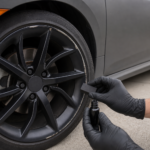
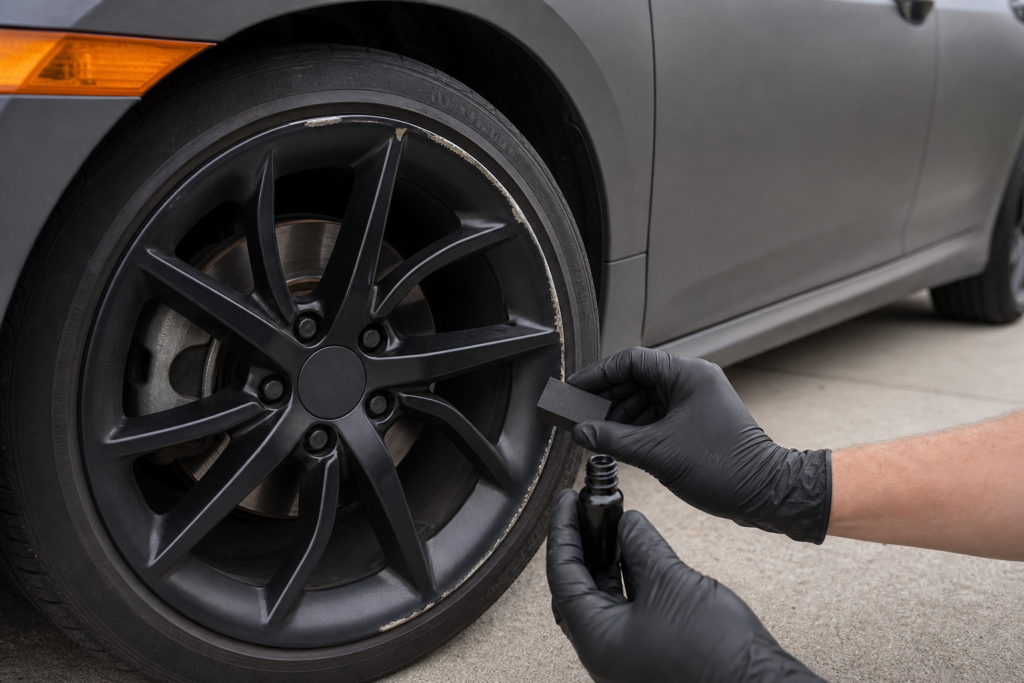
A DIY curb rash fix, using one of the kits that include sandpaper, filler, primer, and paint, can handle light-to-moderate scrapes on standard painted wheels. The results are visible up close but often acceptable from a few feet away. If you search for curb rash repair before and after examples online, you’ll notice the “after” photos are almost always shot from standing height, in even lighting. That’s honest, the repair looks good at conversational distance but rarely matches factory finish under direct sunlight. Professional alloy wheel curb rash repair gets closer to invisible, especially on painted and powder-coated finishes, because pros have access to better color-matching, controlled spray environments, and lathe equipment for machined faces. Neither option makes a wheel brand-new. Both make it better.
Curb Rash Repair Costs
The curb rash repair cost breaks into two clear bands. A DIY kit is relatively inexpensive, with prices varying depending on the brand and whether it includes color-matched paint or a universal silver. Professional refinishing costs significantly more per wheel, with quotes varying based on the wheel’s finish, size, and the shop’s location.
Several factors push a pro quote toward the higher end. Machined faces add cost because of the lathe work. Multi-piece wheels require disassembly. Custom or unusual colors need precise matching. If the shop handles tire removal, refinishing, and remounting with a balance, that labor is bundled in. If you bring just the bare wheel, the price drops, but then you’re paying a tire shop separately for dismount and remount. Some mobile refinishing services work on the wheel while it’s still on the car, which saves the mount-and-balance fee but limits what they can access, a provider offering mobile rim repair in orange county, for example, can handle painted alloy touch-ups in your driveway but may not be equipped for a full lathe pass on a machined face.
Chrome wheels and multi-stage finishes push repair costs up quickly, sometimes making replacement the more practical path. A factory replacement wheel for a mainstream vehicle often costs less than a full chrome re-plate.
Repair Worth and Timing
The math depends on who’s asking. A daily driver owner with one scraped wheel on a ten-year-old sedan may find an inexpensive DIY kit perfectly rational, the goal is “not embarrassing,” not “showroom.” A lessee facing a turn-in inspection has different stakes: lease-end damage charges for curb rash commonly exceed the cost of a professional repair, so spending a moderate amount to fix curb rash on rims before the inspection is straightforward financial defense. An enthusiast maintaining a weekend car or a luxury vehicle owner protecting resale value will lean toward professional work because the wheel finish is part of the car’s overall presentation.
The hidden variable is time. Curb rash that sits untreated exposes bare aluminum to moisture, road salt, and brake dust. In winter climates especially, that exposed metal starts corroding within weeks. Clear coat peels back from the damage edge. Oxidation spreads underneath. What started as a scuff that a quick blend could handle becomes pitting and flaking that requires a full strip-and-refinish, or worse, weakens the wheel surface enough that the damage is no longer worth repairing at all. Waiting doesn’t freeze the problem. It compounds it.
Comparing Shop Options
A typical professional refinish follows a predictable sequence: the wheel is cleaned and inspected, damaged areas are sanded down, filler is applied to gouges and shaped to match the original profile, primer goes on, color-matched paint is sprayed, and clear coat seals the repair. For machined-face wheels, a lathe pass happens before the clear coat. The wheel is then baked or cured, depending on the shop’s setup.
When comparing quotes, and searching for curb rash repair near me will surface a mix of mobile services, dedicated wheel shops, and body shops that do wheels on the side, ask what’s included. Does the price cover tire removal and remounting? Is the wheel balanced afterward? What does the warranty cover, and for how long? Most shop warranties cover peeling or flaking of the new finish for a set period, but they won’t cover a new curb strike. Ask to see in-person examples of finished work rather than relying on website photos, which are typically shot in controlled lighting at favorable angles.
A quote that seems unusually low often means the shop is doing a spot repair rather than a full-face refinish. That’s fine for a small scuff on a daily driver, but it can leave a visible transition line on metallic or dark-colored wheels. Know what you’re paying for before you approve the work.
Final Takeaway
Deciding how bad curb rash can be repaired on your wheel comes down to a few honest observations. Run your fingernail across the damage: if it’s a texture change without a deep catch, a DIY kit or light professional blend will handle it. If your nail drops into a groove or you can see missing material at the rim edge, professional repair is the more durable path. If the lip is bent, cracked, or the damage sits near the bead seat, repair isn’t the conversation, replacement is.
Factor in the wheel’s finish, because chrome and machined faces narrow your options and raise your costs. Factor in what the car is worth to you and how long you plan to keep it. And factor in climate, if you’re heading into a salt season with bare aluminum exposed, even a temporary seal now prevents a much larger bill later.
Most curb rash is fixable. The real question is whether the fix matches the wheel, the car, and what you need from both. An affordable DIY kit and a Saturday afternoon solve most minor scrapes. A professional refinish solves most of everything else. Knowing which one your wheel actually needs is the part that saves money.