Repair Costs by Severity
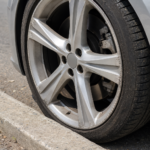
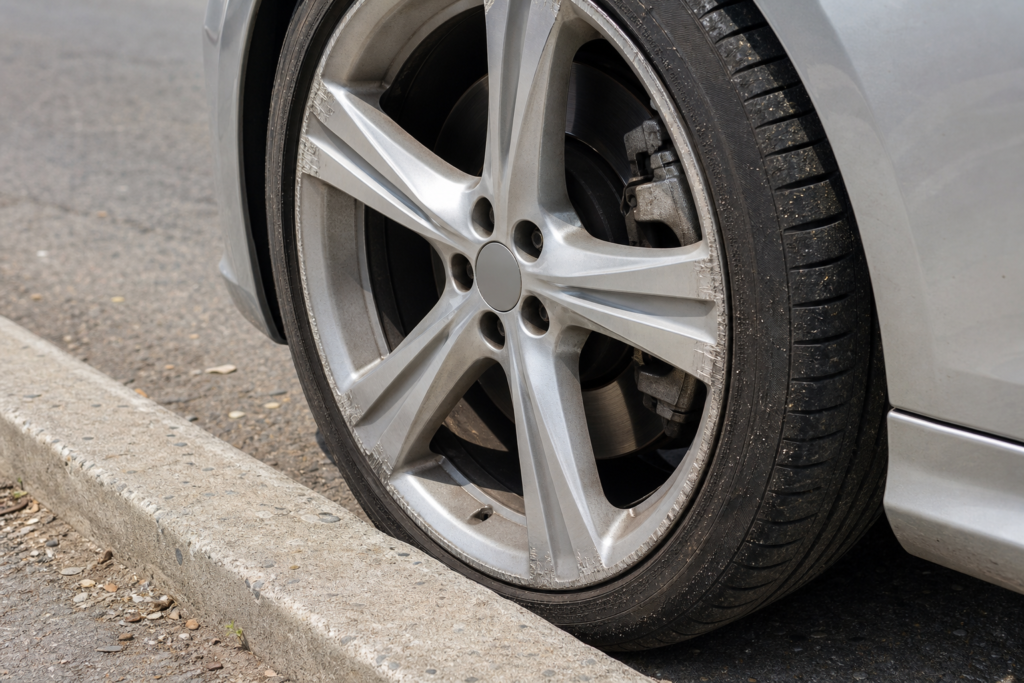
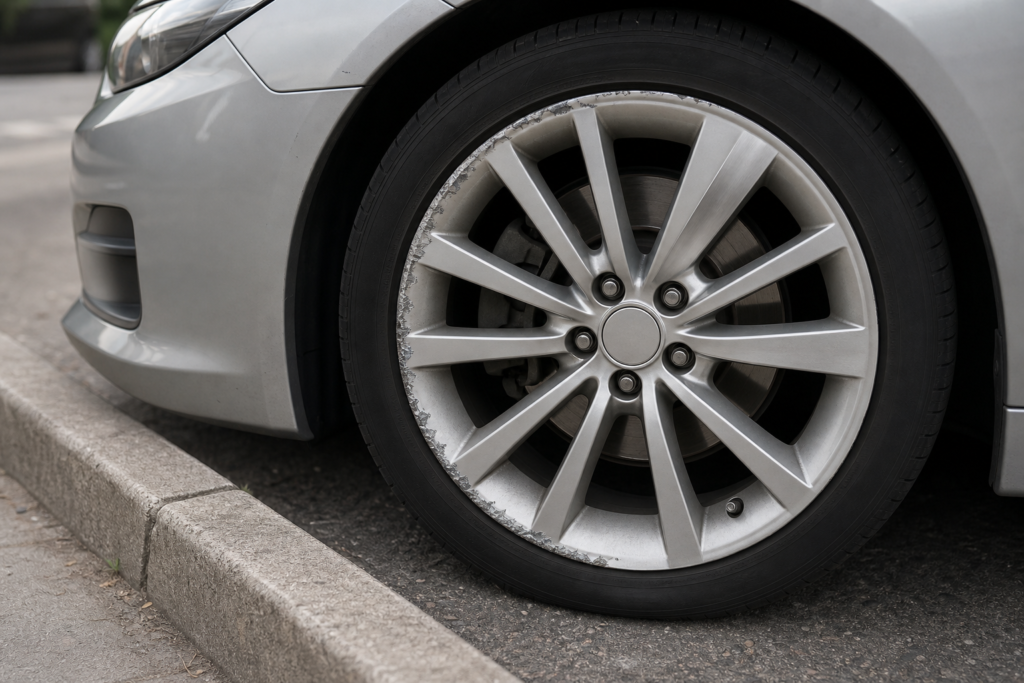
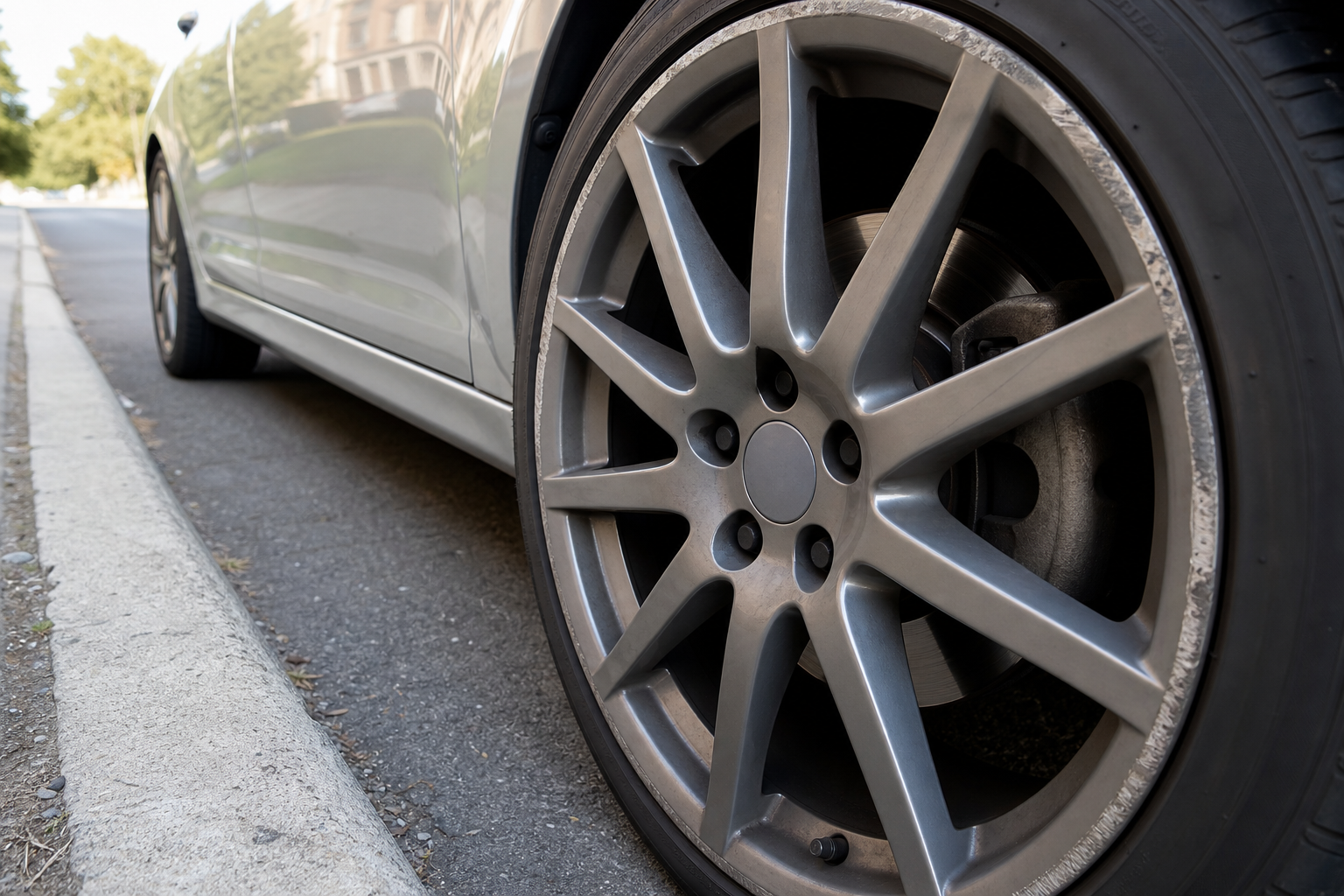
You pull into a parking spot a little too tight, hear that sickening grind, and step out to find a fresh scrape carved into your wheel’s face. The first thing running through your mind, how much to fix curb rash, depends on three things most pricing guides gloss over: the depth of the damage, the wheel’s finish, and whether you choose a provider whose work actually lasts.
Light cosmetic scuffs, surface scratches that haven’t broken through the clear coat or exposed bare metal, typically fall at the low end of curb rash repair cost. Professional repairs for this kind of damage tend to be the least expensive, though pricing varies by market and finish. Deeper gouges that remove material, chip paint down to the alloy, or deform the wheel lip push costs higher. Structural damage, where the wheel is cracked, bent, or the bead seat is compromised, may not be repairable at all, and a replacement wheel becomes the conversation.
A professional repair price covers more than filler and paint. It includes surface preparation, primer, color-matched coating, clear coat application, and curing. Some providers include minor lip reshaping if the damage is shallow enough. What’s typically outside scope: tire dismount and remount (sometimes bundled, sometimes not), bent wheel straightening, and damage to the tire sidewall itself.
One note on terminology: most people search for “rim curb rash repair cost,” and that’s fine. In the industry, “wheel” is the accurate term, the rim is technically just the outer edge. This post uses “wheel” throughout, but the pricing applies to what you’d call either. Per-wheel pricing is the standard. Be cautious with any provider quoting a flat rate for a full set without inspecting each wheel individually. Damage severity varies wheel to wheel, and set pricing can mean you overpay for light damage or underpay for work that gets cut short.
Key Price Variables
The finish on your wheel is the single biggest variable in repair cost after damage severity. A standard painted alloy wheel is the most straightforward repair, color match, respray, clear coat. Machined or diamond-cut finishes require lathe work to recreate the factory texture, which increases labor time and demands specialized equipment. Polished aluminum needs hand buffing and sealing. Chrome wheels, whether traditional chrome plating or PVD chrome, are among the most expensive to repair because the plating process can’t easily be done in a mobile setting. Alloy wheel curb rash cost on a simple silver-painted wheel and curb rash on chrome wheels cost are different conversations entirely, sometimes by a factor of two or more.
Multi-piece wheels and complex spoke designs add time. Wheels with contrasting finishes (a machined face with a painted inner barrel, for instance) require masking and multi-stage work.
Mobile repair versus shop repair is the next fork. Mobile technicians come to your location, which saves time and often costs less for straightforward painted alloy work. A service like mobile alloy wheel repair in los angeles allows for on-site corrections without the hassle of dropping off your car at a shop for hours. Shop-based repair allows for full wheel dismount, oven curing, and access to lathes for machined finishes. Mobile work typically uses UV or air-cure coatings, which are durable but may differ in longevity from oven-baked factory finishes. Warranty terms vary, reputable mobile providers often offer a workmanship warranty, while bargain operators may offer none.
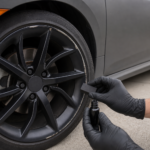
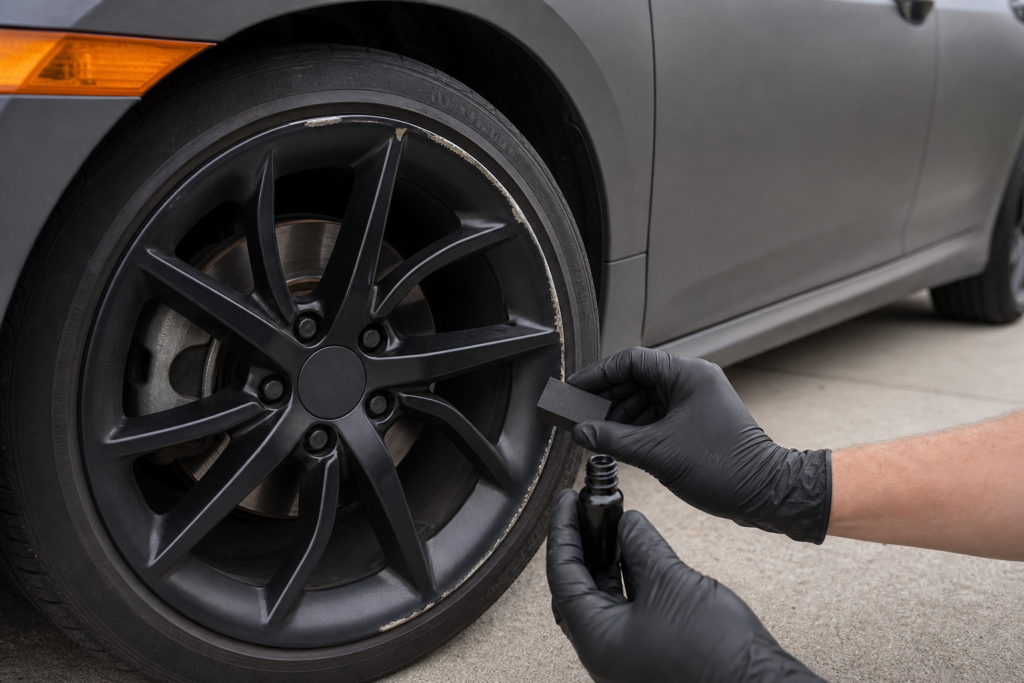
DIY curb rash repair cost is tempting on paper. Touch-up kits are inexpensive relative to professional work. For a minor cosmetic nick on a painted wheel where the color is common (silver, dark gray), a careful owner can improve the appearance. Beyond that, the limits show quickly: color-match issues, uneven texture, clear coat that peels within months, and a visible repair line that can look worse than the original scrape. If you’re considering selling the car or the wheel finish is anything other than basic painted alloy, professional repair is almost always the financially smarter path.
Cheap Repairs and Reputation
The most expensive curb rash repair is the one you pay for twice. Bargain providers cut costs somewhere, thinner coatings, skipped primer, poor color matching, no proper curing. The result: peeling clear coat within weeks, visible color mismatch in direct sunlight, or texture inconsistencies that make the repair obvious. Redoing a failed repair costs more than the original job because the previous work has to be stripped first.
This is where reputation functions as cost control. A provider with a documented track record, consistent reviews, and a workmanship guarantee may charge more upfront but eliminates the redo cycle. When you search “curb rash repair near me,” the price range you encounter will swing dramatically by region. Labor rates, shop overhead, and local cost of living all factor in. A repair that’s affordable in a lower-cost market might carry a noticeable premium in a metro area with high overhead.
As a concrete benchmark: in higher-cost markets like Orange County, California, reputable mobile wheel repair providers generally charge more than what you’d find in smaller markets for standard painted alloy work. That’s for a professional who comes to your location, inspects the damage in person, and stands behind the result. You can find cheaper options. The question is whether the cheaper option survives six months of sun, car washes, and daily driving. In many cases documented by owners who’ve gone through the cycle, it doesn’t.
Do not choose the cheapest supplier. Choose the most reputable one. The per-wheel difference between a bargain fix and quality workmanship is often modest, a fraction of what a second repair costs when the first one fails.
Tesla and Low-Profile Wheels
Larger-diameter wheels paired with low-profile tires offer less sidewall cushion between curb and wheel face. This is why curb rash is disproportionately common on EVs and performance-oriented vehicles. Tesla models, in particular, ship with wheel and tire combinations that leave very little margin for error during parking or tight turns.
Tesla curb rash repair cost tends to run at or above the higher end of standard alloy repair pricing. Several factors contribute. Tesla’s factory wheels often feature dark-tinted or machine-finished surfaces that require precise color and texture matching. Some models use staggered setups (different front and rear wheel widths), which can affect logistics for mobile repair. And because Tesla wheels are frequently larger in diameter, many in the 19- to 21-inch range, more surface area means more labor time for prep and coating.
The same dynamics apply to other EVs and performance vehicles with large-diameter, thin-sidewall setups. If you’re driving on a 20-inch wheel with a 35-series tire, the probability of curb contact is structurally higher than on a 16-inch wheel with a 55-series tire. Budget accordingly: owners of these vehicles should expect per-wheel repair costs that skew toward the upper range of their wheel’s finish category.
Repair Versus Replacement
Not every curb-rashed wheel should be repaired. If the damage is purely cosmetic, surface scratches, paint loss, minor lip scuffing, repair almost always makes sense. When the wheel is cracked, visibly bent, or the damage extends to the bead seat where the tire seals, repair may not be safe regardless of price.
Run through a simple self-audit before calling anyone. Check the depth: can you catch a fingernail in the gouge, or is it surface-level? Identify the finish: is it painted, machined, chrome, or polished? Note the wheel diameter and how many wheels are damaged. Consider your timeline and expectations, are you restoring a lease vehicle to return condition, or just reducing an eyesore on a daily driver?
If the cost to fix curb rash on a single wheel approaches or exceeds half the price of a quality replacement wheel in the same finish, replacement starts to make more financial sense. This is especially true for wheels with structural damage or heavily corroded areas beneath the surface scrape. A reputable repair provider will tell you when a wheel isn’t worth fixing. A bargain provider may not.
Budgeting and Choosing Quality
For most standard painted alloy wheels with moderate cosmetic curb rash, professional repair costs vary widely based on finish, region, and provider reputation. For machined, polished, or chrome finishes, costs run higher. For large-diameter EV and performance wheels, add a premium for the additional labor and precision required.
The curb rash repair cost that matters is the one that holds up. A cheap mobile repair that peels in two months and requires a redo ends up costing far more than a single quality repair from a vetted, reputable provider. The math is straightforward.
You should be able to estimate your relative per-wheel cost before requesting a single quote, know when DIY is reasonable and when it’s a waste of money, and recognize the red flags, structural cracks, bead damage, failed previous repairs, that push a wheel from the repair column into the replace column. Spend for workmanship. It’s the cheapest option in the long run.